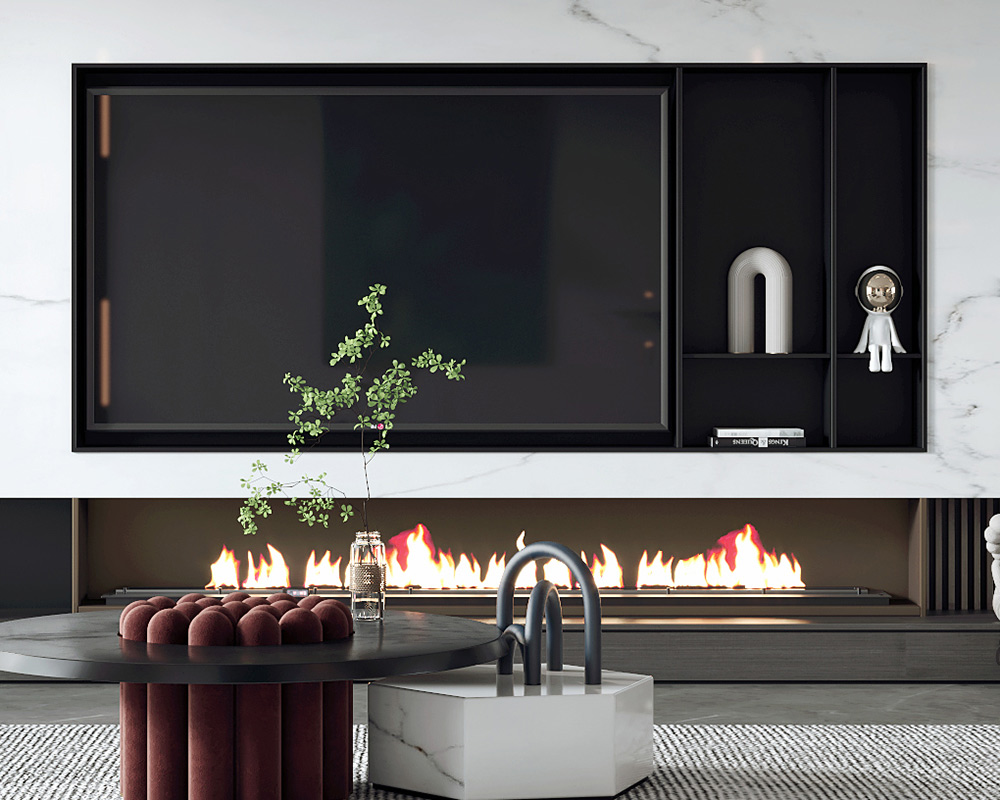
Why Do Interior Fit‑Out Buyers Lose Time On TV Display Wall Cabinet Mounting Adjustments?
For hotel rooms, apartments, showrooms, serviced apartments, and residential projects, a tv display wall cabinet is often part of the main visual area. Buyers may focus on style, color, and price first, but many project problems actually appear during installation. If the cabinet size is wrong, the wall structure is weak, or the mounting position does not match the site conditions, the project team may face rework, delayed handover, and extra labor cost.
For bulk orders, these risks become more serious. A small design mistake repeated across dozens or hundreds of rooms can create large-scale installation waste. That is why interior project buyers should check wall load, cabinet dimensions, installation method, material structure, and delivery details before confirming production.
Why Wall Load Becomes A Procurement Risk
A tv display wall cabinet is not only a decorative cabinet. It may need to support storage panels, metal frames, display shelves, a television, lighting parts, cable systems, and other accessories. When the wall is concrete, brick, gypsum board, or lightweight partition, the installation result can be very different.
If buyers do not confirm wall type before ordering, the cabinet may require extra reinforcement on site. This can increase project cost and slow down installation progress. For hotel and apartment projects, one room delay can affect the schedule of many connected rooms.
Size Errors Can Cause Rework On Site
Width And Height Must Match The Room Layout
The cabinet width should match the TV size, wall area, viewing distance, and furniture layout. If the cabinet is too wide, it may conflict with switches, air conditioners, doors, or decorative panels. If it is too small, the finished room may look unbalanced.
For project buyers, accurate measurement should be completed before mass production. Sample room installation is also useful because it helps the project team check whether the cabinet design matches real site conditions.
Depth Affects Safety And Daily Use
Cabinet depth is often ignored during procurement. If the cabinet is too deep, it may reduce walking space or make the room feel crowded. If it is too shallow, it may not support storage needs, cable hiding, or TV installation requirements.
This is especially important for hotels and serviced apartments, where room space must remain clean, practical, and easy to maintain.
Installation Hole Position Should Be Confirmed Early
Wall cabinet installation depends on accurate mounting holes and fixing positions. If the hole position does not match the wall structure or installation drawing, workers may need to drill again, adjust panels, or modify the cabinet on site.
This can damage the wall finish and increase repair work. For large projects, buyers should request clear installation drawings and confirm mounting requirements before production. The drawing should include cabinet size, fixing points, cable position, and reserved space for TV equipment.
Cable Management And Ventilation Cannot Be Ignored
A TV Display Wall Cabinet often needs space for power cables, network cables, signal cables, set-top boxes, and sometimes LED lighting. If cable channels are not planned properly, the final installation may look messy or require additional cutting.
Ventilation is also important. TV equipment and electronic devices need proper heat dissipation. Poor ventilation may affect long-term use and increase maintenance complaints from end users.
Surface Finish Consistency Affects Project Acceptance
For hotel and apartment projects, cabinets are usually installed in many rooms. If the surface finish is inconsistent between batches, the project owner may notice color differences during inspection.
Buyers should confirm finish samples before bulk production. They should also clarify whether the cabinet surface needs stainless steel texture, brushed finish, color coating, or customized appearance. Stable surface quality helps reduce rejection risk during project acceptance.
Packaging And Delivery Also Influence Installation Efficiency
Even when the cabinet design is correct, poor packaging can create damage during transport. Scratched panels, bent corners, missing accessories, or mixed parts can slow down installation.
Project buyers should confirm packaging method, part labeling, accessory packing, and loading plan before shipment. Clear labeling helps installers quickly identify the correct parts for each room or project area.
| Procurement Checkpoint | Why It Matters |
|---|---|
| Wall type | Confirms whether reinforcement is needed |
| Cabinet size | Reduces fitting and layout errors |
| Mounting holes | Avoids drilling mistakes and wall damage |
| Cable space | Keeps the final installation clean |
| Surface finish | Supports consistent project appearance |
| Packaging method | Reduces damage and missing parts |
What Buyers Should Confirm Before Bulk Ordering
Before placing a large order, buyers should confirm the room drawings, wall structure, TV size, cabinet dimensions, installation method, color sample, packing details, and delivery schedule. If the order is for a hotel, apartment, showroom, or commercial project, it is better to complete a sample room first.
A sample room allows the buyer to check real installation results before mass production. It can reveal size conflicts, cable problems, wall load issues, and visual mismatches early. This step can reduce expensive changes after shipment.
Choosing A Reliable Manufacturing Partner
For TV Display Wall Cabinet orders, buyers need more than a product list. They need a manufacturer that can understand project drawings, confirm production details, support customization, and maintain stable quality across bulk orders.
A reliable manufacturing partner should help buyers review specifications before production, provide clear communication during order confirmation, and support packing requirements for export delivery. This is especially important for global buyers who need stable supply and project-based cooperation.
Conclusion
Wall load and size problems are common risks in TV Display Wall Cabinet procurement. These issues often appear late, usually during installation or project inspection. By checking wall structure, cabinet size, mounting points, cable layout, surface finish, packaging, and delivery details before ordering, buyers can reduce rework and keep the project schedule under control.
For interior projects, careful planning before production is always cheaper than on-site correction after delivery.
Request A Quote For Your TV Display Wall Cabinet Project
At JOINT-POWER, we support distributors, project contractors, hotel project buyers, apartment developers, and interior furniture suppliers with Stainless Steel Cabinet manufacturing and customized project orders. If you are planning a bulk order, you can send us your drawings, cabinet dimensions, TV size, surface finish requirements, quantity, packing method, and target delivery schedule.
Our team can help review your project needs, discuss suitable specifications, and prepare a quotation based on your real order requirements. For TV Display Wall Cabinet inquiries, OEM customization, bulk supply, or project quotation support, please visit https://www.joint-power.com and contact our team for detailed pricing.