
What Temp Should A Wine Refrigerator Be?
The best temperature for a wine refrigerator depends on whether you are storing wine long-term, preparing bottles for serving, or doing both at the same time. For most homes and hospitality settings, a stable 55°F (13°C) is the most widely used “all-purpose” setpoint because it protects flavor development and slows oxidation without freezing or stressing corks. If the goal is serving readiness, whites and sparkling usually need colder settings than reds, and a dual-zone unit makes that easier.
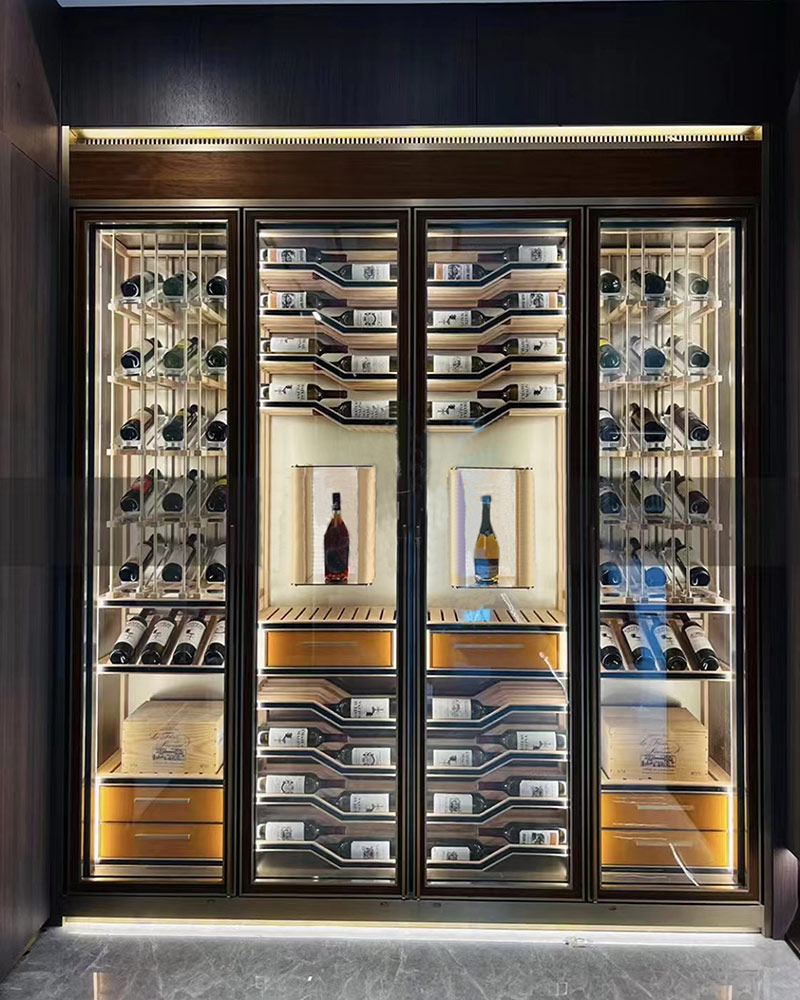
JOINT POWER builds durable storage solutions for kitchens and projects. You can view our stainless steel wine cabinet options for reliable temperature control and clean built-in aesthetics.
The Quick Answer For Most Users
A practical guideline that covers most situations:
Long-term storage: set the wine refrigerator to 55°F (13°C)
Ready-to-serve reds: target 60–65°F (16–18°C)
Ready-to-serve whites: target 45–50°F (7–10°C)
Ready-to-serve sparkling: target 40–45°F (4–7°C)
When one temperature must handle mixed bottles, 55°F is the safest compromise. You can chill a white for a short time before serving, while reds can warm slightly in the glass.
Storage Temperature Versus Serving Temperature
Many people set a wine fridge to serving temperature, then store bottles there for months. That is not always ideal. Storage temperature is about stability and slow aging. Serving temperature is about taste balance at the moment you drink.
Storage goals:
Keep temperature steady
Avoid heat spikes that speed up aging
Prevent swings that expand and contract air inside the bottle
Serving goals:
Present aroma and acidity correctly
Avoid reds tasting “hot” from being too warm
Avoid whites tasting muted from being too cold
A single-zone cabinet is best used as a storage-focused unit. A dual-zone cabinet is best when the fridge also functions as a serving station.
Recommended Temperature Table By Wine Style
Use this table as a clear starting point. Exact preferences vary, but these ranges work well for most bottles.
| Wine Type | Serving Range | Storage Recommendation |
|---|---|---|
| Sparkling | 40–45°F (4–7°C) | 55°F (13°C) |
| White | 45–50°F (7–10°C) | 55°F (13°C) |
| Rosé | 45–50°F (7–10°C) | 55°F (13°C) |
| Light red | 55–60°F (13–16°C) | 55°F (13°C) |
| Full red | 60–65°F (16–18°C) | 55°F (13°C) |
For a mixed collection in one zone, set 55°F and adjust at serving time. Whites can be chilled for 20–40 minutes before pouring, depending on room conditions and bottle size.
Single-Zone Or Dual-Zone: How To Decide
A single-zone wine refrigerator is simpler and usually chosen when:
The main goal is stable storage
Bottles are opened occasionally, not daily
The collection is mostly one style
A dual-zone wine refrigerator is useful when:
Reds and whites are both opened regularly
You want bottles closer to serving temperature
The cabinet supports entertaining or commercial-grade service flow
For project buyers and wholesale procurement, this decision often comes down to usage pattern: storage-only installations prioritize stability and capacity, while mixed-service installations prioritize zoning and access.
Why Stability Matters More Than Chasing A Perfect Number
Wine is sensitive to temperature changes. Even when the average temperature is “correct,” frequent swings can reduce quality over time. Focus on:
A stable setpoint with minimal fluctuation
Avoiding frequent door opening
Keeping the cabinet away from ovens, direct sunlight, and heat vents
A good practice is to place a small thermometer inside and compare it to the display. Cabinet sensors measure air temperature, while bottles change temperature more slowly. The goal is a stable bottle environment, not rapid cooling.
Humidity And Airflow Considerations
Temperature is the headline setting, but humidity and airflow influence cork condition and label integrity.
Too dry can dry corks faster, increasing oxygen transfer over long storage periods.
Too humid can encourage mold on labels and shelving, especially in tight spaces.
A well-designed wine cabinet balances airflow so temperatures remain even across shelves, while keeping the interior environment comfortable for cork-sealed bottles.
Setup Tips For Accurate Real-World Results
Small setup details can change performance:
Allow the cabinet to run for 24 hours before loading it fully.
Leave space for airflow around bottles; do not pack bottles tightly against the back wall.
Avoid frequent temperature changes; pick a setpoint and keep it stable.
For built-in installations, ensure ventilation requirements are respected so the cooling system stays efficient.
JOINT POWER’s Stainless Steel Wine Cabinet configurations are designed for clean integration and dependable storage behavior in kitchen and project environments. You can review options on our stainless steel wine cabinet page.
Conclusion
For most users, 55°F (13°C) is the best wine refrigerator temperature because it supports stable long-term storage for nearly all wine styles. Serving temperatures vary, with whites and sparkling colder and reds warmer, so a dual-zone unit is the easiest way to keep bottles closer to ready-to-pour ranges. When using a single-zone cabinet for mixed wine, prioritize stability at 55°F and adjust bottles briefly before serving.
For cabinet selection, capacity planning, or zoning recommendations for your kitchen or project, contact JOINT POWER through our stainless steel wine cabinet page. Share your target bottle mix, installation type, and usage pattern, and our team will provide practical guidance on specifications and configuration.
Previous: How To Choose The Kitchen Sink?