
How To Polish A Stainless Steel Sink?
Polishing a Stainless Steel Sink is not only about shine. Done correctly, it removes dull film, reduces the look of light scratches, and restores a cleaner, more uniform finish that is easier to maintain day to day. The key is to work with the sink’s grain direction, use the right level of abrasion, and finish with a protective layer that slows water spotting. This guide explains a practical process for polishing a stainless steel sink without damaging the surface.
JOINT POWER manufactures stainless sinks for residential and project applications. You can explore models and finishes on our stainless steel sink collection.
Know Your Sink Finish Before You Start
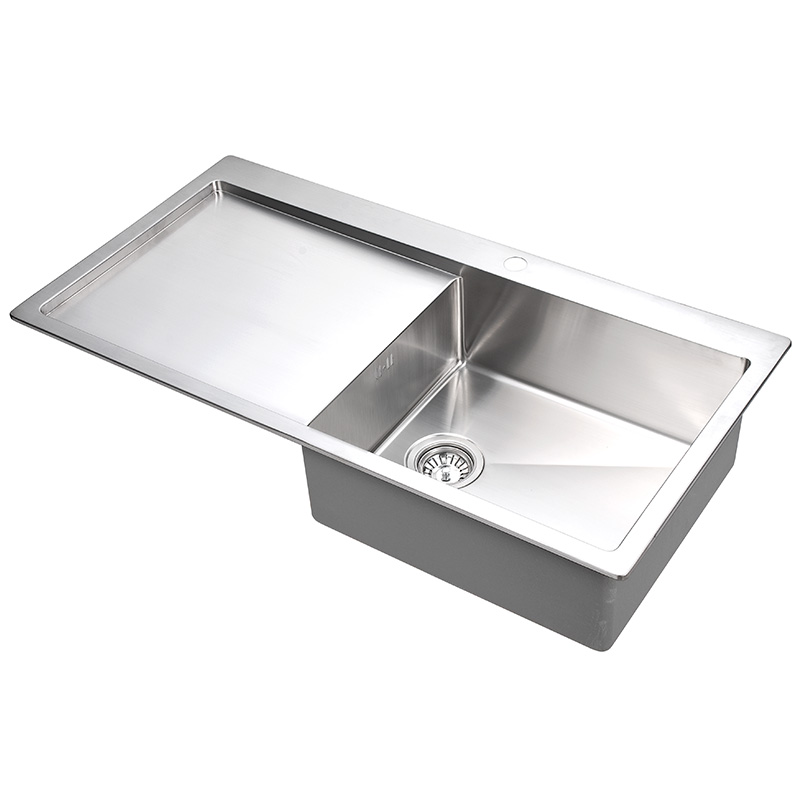
Most stainless sinks have a visible grain, similar to brushed metal lines. Polishing should follow that grain. If you scrub across it, you can create new swirl marks that are more noticeable than the original dullness.
Also consider what you are trying to fix:
General haze and water spots
Soap film and mineral deposits
Light surface scratches
Rust-like stains caused by iron residue on the surface
Each problem responds to a slightly different approach, but the workflow can stay consistent.
What You Need For A Safe Polishing Setup
A reliable sink polishing kit does not need to be complicated. Focus on clean tools and controlled abrasives.
Microfiber cloths
Non-scratch sponge
Mild dish soap
Baking soda or a non-chlorine stainless cleaner
White vinegar or citric-acid cleaner for mineral scale
A stainless steel polish or food-safe mineral oil for finishing
Optional: very fine abrasive pad for stubborn marks, used carefully
Avoid steel wool. Carbon steel fibers can leave behind particles that later rust and create orange stains.
Step 1: Deep Clean To Remove Film And Grit
Polishing on top of grit can create new scratches. Start by rinsing the sink thoroughly, then wash with warm water and mild dish soap. Use a soft sponge and work along the grain. Pay attention to corners and drain areas where residue builds up.
Rinse fully and wipe dry with a microfiber cloth. Drying matters because water droplets can hide streaks and make it harder to see where polish is needed.
Step 2: Remove Mineral Deposits And Water Spots
If your sink looks cloudy or chalky, minerals are often the cause. Apply white vinegar or a citric-acid cleaner to the affected area and let it sit briefly, then wipe along the grain. Rinse thoroughly and dry.
Do not leave acids sitting too long, and do not mix acidic cleaners with bleach. Controlled contact time and full rinsing keep the process safe and predictable.
Step 3: Polish With A Gentle Abrasive Paste
For general dullness and light marks, a mild abrasive paste works well. Baking soda mixed with a small amount of water creates a controllable paste that is gentle on most stainless finishes. Apply the paste with a damp microfiber cloth and rub along the grain using even pressure.
Work in sections:
Apply paste to a small area
Rub along the grain with steady strokes
Rinse and wipe dry to check progress
Repeat only where needed
This step often restores brightness without needing aggressive tools.
Step 4: Address Light Scratches Without Creating Swirls
Light scratches usually become less visible when the finish is brought back to a more uniform grain. If a scratch catches your fingernail, it is deeper and may not disappear fully, but it can often be softened visually.
A safe approach:
Use a fine, non-woven abrasive pad only if needed
Always move in the grain direction
Use light pressure and short passes
Stop and check after a few strokes
The goal is not to grind away material. The goal is to blend the area so the scratch is less noticeable in normal lighting.
Step 5: Final Rinse And Dry
After polishing, rinse thoroughly to remove any residue. Dry completely with a clean microfiber cloth. This is the moment where the finish clarity becomes visible. If you skip drying, water will dry into spots and the sink can look dull again immediately.
Step 6: Apply A Protective Finish To Reduce Spotting
A protective layer helps reduce fingerprints and water marks. Use a stainless steel polish designed for sinks, or apply a very small amount of food-safe mineral oil on a cloth, then wipe a thin film along the grain. Buff with a dry microfiber cloth until the surface feels smooth and not greasy.
This step does not make the sink “stain-proof,” but it slows down water spotting and makes routine cleaning easier.
Maintenance Routine That Keeps The Sink Looking Polished
Polishing is most effective when followed by simple daily habits. Stainless looks best when residue does not build up.
Rinse after heavy use, especially after salty or acidic foods
Wipe dry to reduce mineral spotting
Use a soft cloth rather than abrasive scrubbers for routine cleaning
Deep clean weekly to prevent film from becoming stubborn
A consistent routine keeps you from needing aggressive polishing later.
Common Mistakes That Damage Stainless Finishes
| Mistake | What Happens | Better Option |
|---|---|---|
| Scrubbing across the grain | Creates swirl marks | Clean and polish along the grain |
| Using steel wool | Leaves particles that can rust | Use non-woven pads if needed |
| Using chlorine bleach frequently | Can discolor and pit over time | Use mild cleaners and rinse well |
| Leaving acidic cleaners too long | Can etch or dull finishes | Short contact time and full rinsing |
| Polishing on gritty residue | Adds new scratches | Deep clean first, then polish |
Choosing A Sink That Stays Easier To Maintain
A well-made sink with consistent brushing lines and stable stainless quality is easier to restore and keep clean. JOINT POWER sinks are designed for durable daily use and practical maintenance. You can review options on our stainless steel sink collection.
If you are comparing sinks for a project, consider finish consistency, corner radii that reduce grime traps, and thickness that supports long-term appearance in busy kitchens.
Conclusion
To polish a stainless steel sink effectively, start with a deep clean, remove mineral deposits, then polish gently along the grain using a mild abrasive paste. For light scratches, use minimal abrasion and blend with the grain rather than scrubbing in circles. Finish by rinsing, drying, and applying a thin protective layer to reduce water spots and make daily cleaning faster.
If you are sourcing sinks for a renovation program, project supply, or bulk order, JOINT POWER can support stable specifications and finish options. Visit our stainless steel sink collection and share your installation type, finish preference, and usage needs. If you have questions about care, finish selection, or long-term maintenance, contact us and we will provide practical guidance.