
How To Install A Single Bowl Kitchen Sink?
A single bowl kitchen sink is a practical upgrade for everyday washing, large cookware, and streamlined countertops. A successful installation depends on two things: correct fit with the countertop cutout and a leak-free drain and supply connection. This guide walks through single bowl kitchen sink installation in a clear, job-site style sequence, including prep, mounting, plumbing, and final checks.
JOINT POWER manufactures durable sink solutions for residential and project use. You can view our stainless models on the stainless steel sink collection.
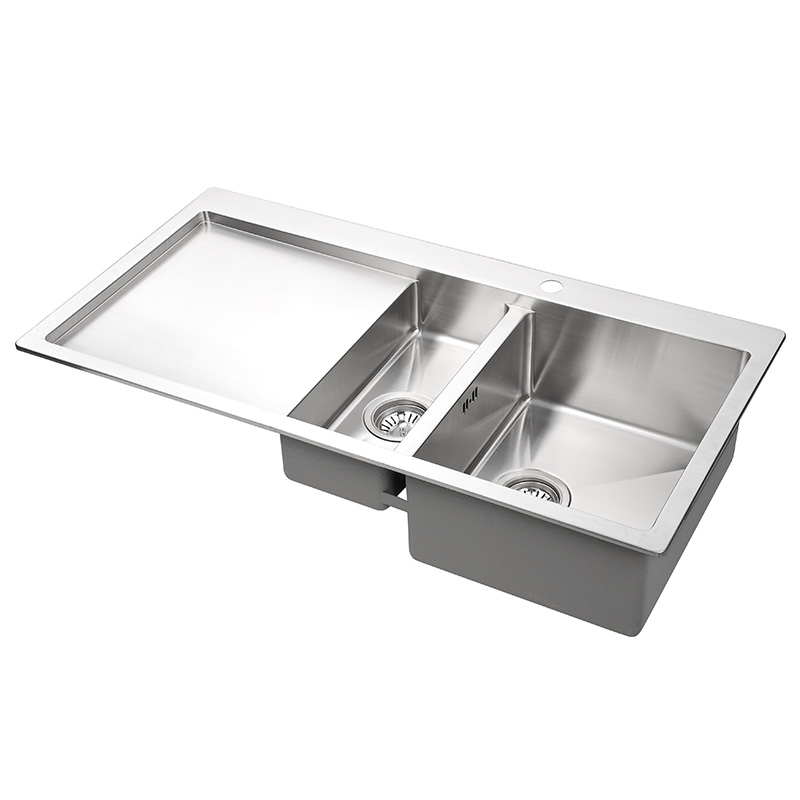
Confirm Sink Type And Countertop Compatibility
Before any removal work, confirm how the new sink is designed to mount:
Top-mount drop-in sinks sit on the countertop rim and are held by clips from below.
Undermount Sinks attach to the underside of the countertop using brackets and adhesive.
Measure the cabinet opening, countertop cutout size, and sink outer dimensions. A single bowl can be deeper than your old sink, so confirm there is clearance for the drain assembly and any garbage disposal.
Tools And Materials You Will Usually Need
Most installations use common tools and standard plumbing parts.
Adjustable wrench and/or basin wrench
Screwdriver set
Putty knife
Silicone sealant suitable for kitchen use
Plumber’s putty or sink flange gasket (depends on drain kit)
New drain strainer, tailpiece, and P-trap parts if existing parts are worn
Bucket and towels
Turn off the hot and cold shutoff valves under the sink and open the faucet to relieve pressure.
Remove The Old Sink And Prepare The Opening
Disconnect the P-trap and drain tailpiece and empty any trapped water into a bucket. If you have a garbage disposal, disconnect power safely and remove it per the disposal manufacturer’s procedure.
For a top-mount sink, loosen mounting clips under the counter, then cut the old sealant bead around the rim using a putty knife. Lift the sink out and scrape away old silicone and debris so the new seal can bond to a clean surface.
For an undermount sink, support the sink from below before removing brackets. Once the sink is down, clean the underside of the countertop fully.
Dry Fit The Sink And Mark Key Locations
Place the sink into position without sealant first:
Confirm it sits flat with no rocking.
Check that the faucet holes line up with your faucet and accessories.
Verify drain alignment with the cabinet and trap location.
If adjustments are required, do them now. Once sealant is applied, you want to avoid lifting and resetting repeatedly.
Install The Faucet And Accessories Before Mounting
It is usually easier to attach the faucet, soap dispenser, and sprayer to the sink before the sink is mounted, especially in tight cabinet spaces. Tighten mounting nuts securely and ensure the supply lines are routed cleanly without sharp bends.
Apply Sealant And Mount The Sink
Top-Mount Drop-In Method
Run a continuous bead of silicone under the sink rim or use the included gasket according to the sink instructions. Lower the sink into the cutout and press evenly. Install mounting clips from below, tightening in a balanced pattern so the rim seats uniformly. Wipe off squeeze-out sealant on the top surface while it is fresh.
Undermount Method
Apply a continuous bead of silicone along the sink rim where it contacts the countertop underside. Lift the sink into place using supports, then install brackets and tighten evenly to avoid pulling one side higher than the other. Allow the silicone to cure according to the product instructions before heavy use.
Install The Drain Assembly And Connect Plumbing
Install the sink strainer or drain flange with the correct sealing method:
Many drain kits use plumber’s putty under the flange.
Some use a rubber gasket instead of putty.
Tighten the locknut from below while keeping the strainer aligned. Connect the tailpiece, then reattach the P-trap. Ensure slip-joint washers face the correct direction and fittings are seated straight before tightening.
If you are connecting a disposal, install the mounting ring and discharge tube, then reattach the trap. Keep the trap arm slope correct so water drains smoothly.
Leak Test With A Structured Checklist
Turn on the shutoff valves slowly, then run water through the faucet and drain. Do not rush this step. Many leaks show up only after a few minutes of flow and vibration.
Use this checklist:
Check supply connections at shutoff valves and faucet lines
Check around the drain flange and locknut
Check each slip joint on the P-trap and trap arm
Fill the sink halfway, then drain quickly to stress-test joints
Wipe connections dry and recheck for new moisture
Installation Tolerances That Affect Long-Term Performance
Small details often determine whether the sink stays stable and leak-free:
The sink rim must seat flat with even clip pressure.
Silicone must be continuous with no gaps at corners.
Drain alignment should be vertical without sideways stress on the tailpiece.
Supply lines should not pull on the faucet body under cabinet movement.
A well-installed Stainless Steel Sink will stay quieter, cleaner, and more stable when the mounting and sealing surfaces are correct.
Common Problems And Quick Fixes
| Issue | Likely Cause | Practical Fix |
|---|---|---|
| Water leaks at drain flange | Poor seal under flange or loose locknut | Reseat flange with correct gasket/putty and retighten |
| Drip at slip joint | Washer misaligned or overtightened crooked | Re-seat washer, hand tighten, then snug lightly |
| Sink rim not sitting flat | Debris on countertop or uneven clip tightening | Clean surface, tighten clips evenly in sequence |
| Slow drainage | Trap slope incorrect or partial blockage | Recheck trap arm slope, clear debris, verify venting |
Conclusion
Installing a single bowl kitchen sink is a straightforward project when you confirm fit first, mount with a clean sealing surface, and connect plumbing without stressing joints. Focus on even mounting pressure, correct drain sealing, and a careful leak test to avoid callbacks and long-term moisture issues.
JOINT POWER supports project buyers and wholesale partners with stable sink specifications and manufacturing consistency. To explore models and configurations, visit our stainless steel sink collection. If you want guidance on selecting the right bowl depth, mounting type, or accessory compatibility, send your countertop type and cabinet measurements and our team will share practical recommendations.