
How To Mount A TV Cabinet On The Wall?
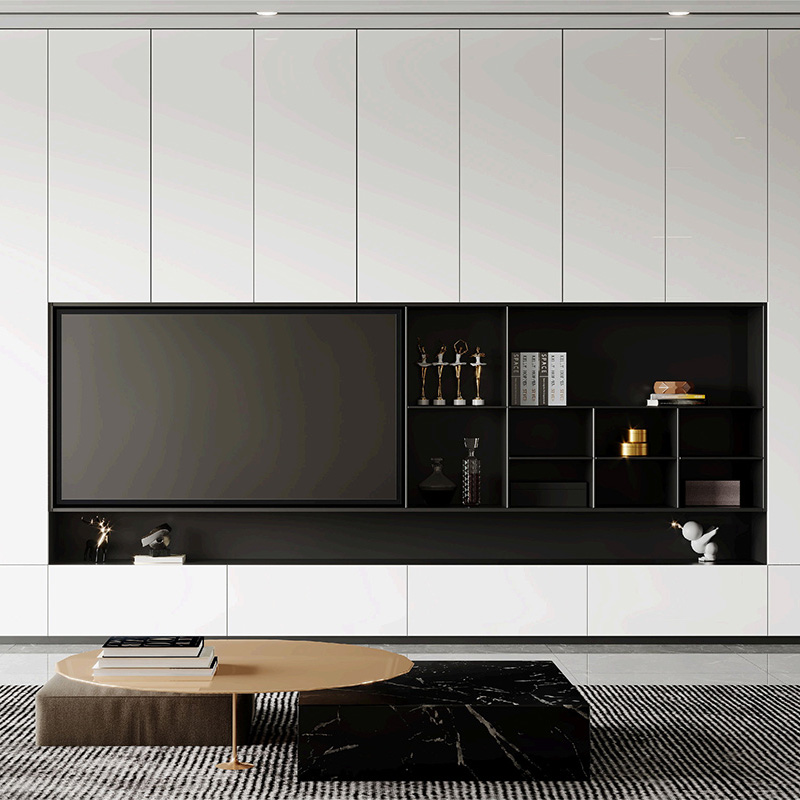
Mounting a tv cabinet on the wall creates a clean floating look, frees up floor space, and can make cable routing and cleaning easier. However, a wall-mounted cabinet is a structural installation, not a simple decor task. The cabinet, the TV accessories, and the contents you store inside all add weight and leverage. A correct installation depends on choosing the right wall type, locating strong anchoring points, using hardware rated for the load, and leveling the cabinet precisely so doors and drawers work smoothly.
This guide explains a professional, step-by-step method to mount a TV cabinet safely and neatly, including planning, wall preparation, bracket installation, cabinet hanging, and finishing details. For product reference, see the JOINT POWER stainless steel TV cabinet.
Plan The Installation With Load, Height, And Cable Routing
Before drilling, define the cabinet position and the true load it will carry. The cabinet weight is only the starting point. Add the weight of items typically stored inside such as set-top boxes, game consoles, routers, soundbar accessories, books, or decor. Also consider dynamic load, such as opening doors or drawers, which introduces movement and extra stress at the mounting points.
Height planning should consider viewing comfort and practical use. The cabinet should align visually with the TV position and leave enough space for ventilation behind electronics. If you plan to place a soundbar on top or mount it below, measure the vertical spacing so the soundbar does not block the TV screen or interfere with cabinet doors.
Cable routing is often the detail that separates a clean result from a messy one. Decide whether cables will run through a wall conduit, a surface raceway, or behind the cabinet through a pass-through opening. Mark where power outlets and data ports sit relative to the cabinet back panel. If the cabinet will cover an outlet, plan access so cords are not sharply bent and plugs can be reached for maintenance.
For wall-mounted cabinets, ventilation matters. Electronics generate heat. A cabinet that looks minimal but traps heat can shorten the life of devices. Plan for airflow by keeping clearance behind devices and not overpacking the cabinet.
Confirm Wall Type And Locate Secure Anchoring Points
The most critical safety step is matching hardware to the wall structure. Many installation failures happen because the cabinet is anchored into drywall alone or into weak masonry sections without proper anchors.
Start by identifying the wall type:
Wood stud drywall wall
Metal stud wall
Solid concrete wall
Brick wall
Hollow block wall
If you have a stud wall, use a stud finder to locate studs and confirm positions by checking screw resistance or using small pilot holes. For most wall-mounted cabinets, anchoring into studs is the preferred method because it provides predictable strength. If stud spacing does not match cabinet bracket holes, use a horizontal mounting rail or a plywood backer board secured to multiple studs, then mount the cabinet to the rail or board.
If you have concrete or brick, use masonry anchors rated for the load. In brick, avoid drilling into mortar joints if possible because mortar is weaker than brick. In hollow block, use anchors designed for hollow masonry rather than standard expansion anchors.
If you have metal studs, do not assume standard screws will hold. Use metal-stud rated toggles or a reinforced backer. For heavy cabinets, a backer board anchored across multiple studs improves safety and load distribution.
No matter the wall type, avoid mounting where the wall is compromised by plumbing lines, electrical cables, or damaged drywall. If you are unsure, consult a professional, especially for heavy cabinets or installations above children’s play areas.
Tools And Hardware Checklist For A Clean, Level Install
Using the right tools improves accuracy and reduces the risk of rework. A wall-mounted cabinet must be level; even a small tilt can cause doors to swing open or drawers to bind.
Common tools:
Stud finder and pencil
Tape measure and straight edge
Level, ideally a longer level for cabinet width
Drill and drill bits matched to wall type
Impact driver or screwdriver
Wall anchors matched to material
Socket set or wrench for lag bolts
Painter’s tape for marking and protecting the wall finish
Common mounting hardware approaches:
Wall mounting rail system
Heavy-duty L-brackets
French cleat system
Integrated cabinet hanging brackets
Always use hardware with a rated capacity that exceeds the total expected load. Consider a safety margin so the cabinet remains secure over years of use, not just on installation day.
The table below summarizes hardware selection by wall type.
| Wall Type | Recommended Anchoring Method | Hardware Notes | Common Mistake To Avoid |
|---|---|---|---|
| Wood stud drywall | Lag bolts into studs | Use washers, pre-drill pilot holes | Anchoring into drywall only |
| Metal stud drywall | Rated toggles or backer board | Reinforce across multiple studs | Using wood lags in thin studs |
| Concrete | Expansion anchors or concrete screws | Use correct bit and depth | Incorrect hole size or dust left in hole |
| Brick | Masonry anchors into brick | Avoid mortar joints when possible | Drilling into weak mortar |
| Hollow block | Hollow masonry anchors | Distribute load with a rail | Using solid-wall anchors in hollow block |
Step By Step Mounting Process For A Wall-Mounted TV Cabinet
A reliable installation follows a logical sequence that prevents alignment problems later. Rushing is the main cause of uneven cabinets and re-drilling.
Mark The Cabinet Position
Use painter’s tape to outline the cabinet footprint on the wall. Mark the desired top edge height and centerline. Double-check that the cabinet will be centered relative to the TV and that it does not conflict with outlets, baseboards, or trim.Install The Mounting Rail Or Bracket Line
If your cabinet uses a rail, hold the rail on the wall at the marked height and level it. Mark hole positions. If using individual brackets, mark both bracket positions carefully and confirm they align with the cabinet’s internal mounting points.Drill Pilot Holes And Prepare Anchors
For stud walls, drill pilot holes at stud locations for lag bolts. For masonry, drill to the correct diameter and depth, then remove dust from the holes. Dust prevents anchors from seating properly and reduces holding strength.Secure The Rail Or Brackets
Fasten the rail or brackets using the appropriate bolts or anchors. Tighten firmly, but avoid stripping threads. Re-check level after tightening, because rails can shift slightly while bolts are torqued.Hang The Cabinet And Lock It In Place
Lift the cabinet onto the rail or brackets. For larger cabinets, use two people. Ensure the cabinet is fully seated and any locking screws or safety clips are engaged. Once hung, check level again and adjust if the hardware allows fine tuning.Confirm Door And Drawer Operation
Open and close doors and drawers. If they swing, bind, or misalign, the cabinet may not be level or the wall may be uneven. Minor shim adjustments behind mounting points can correct this, but shimming should be done carefully so the cabinet remains firmly supported.Route Cables And Finalize The Finish
Feed cables through pass-through holes or behind the cabinet. Use cable ties or channels to keep wiring tidy. Ensure power cords are not pinched and ventilation is not blocked. Seal any unused wall holes neatly and remove marking tape.
If the cabinet is stainless steel, use protective gloves during handling to prevent fingerprints and avoid scratching the surface. Clean the exterior after installation with a soft microfiber cloth to present a finished look.
Safety Checks And Maintenance For Long-Term Stability
After installation, perform a load check before fully stocking the cabinet. Apply gentle downward pressure and confirm there is no movement or creaking. Verify that all bolts are tight and that locking mechanisms are engaged.
In the first week, re-check fasteners. Some installations settle slightly as materials compress, especially on stud walls where drywall can compress under washers. Periodic checks are a good habit, especially if the cabinet will be loaded with heavier items.
Avoid storing very heavy items on one side only. Uneven loading increases torque and can stress mounting points. Keep the heaviest items centered and low inside the cabinet to reduce leverage.
If the cabinet will be installed in environments with humidity or frequent cleaning, ensure the wall area behind it remains dry and clean. Moisture trapped behind cabinets can cause wall damage over time.
For a durable, clean-lined solution, JOINT POWER offers stainless steel options designed for long-term use, including our stainless steel TV cabinet.
Conclusion
Mounting a TV cabinet on the wall is a structured process: plan the load and layout, confirm wall type, anchor into strong structural points, use hardware rated for the total weight, and level the cabinet precisely before final tightening. When installed correctly, a wall-mounted cabinet delivers a modern floating look, cleaner cable management, and a more functional entertainment area.
If you have questions about cabinet sizing, mounting methods, wall compatibility, or you want guidance on selecting a Stainless Steel Cabinet solution, contact us anytime. JOINT POWER can provide product information and practical installation guidance for our stainless steel TV cabinet options, so your project can achieve a safe, clean, and professional result.