
Are TV Cabinets Out Of Style?
tv cabinets are not out of style. What has changed is what people expect a TV cabinet to do and how it should look in a modern space. In many homes, the television is no longer the only large media device. Streaming boxes, soundbars, gaming consoles, routers, and smart-home hubs have become standard. At the same time, interior trends have shifted toward cleaner walls, fewer visible cables, and furniture that blends into the room rather than dominating it. Because of these changes, older bulky entertainment centers feel dated, but a well-designed TV cabinet is still one of the most practical and visually consistent ways to organize media equipment, protect devices, and keep a living room or lounge area looking intentional.
JOINT POWER manufactures modern storage solutions including Stainless Steel TV Cabinets designed for durability, clean lines, and practical cable management. You can explore our product here: Stainless Steel TV Cabinet
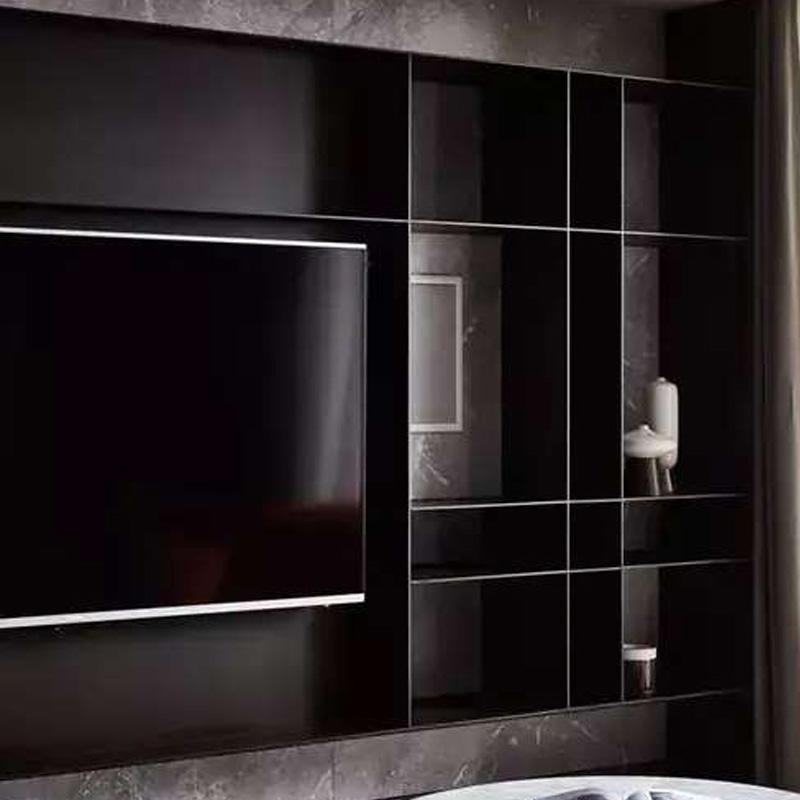
Why People Think TV Cabinets Are Outdated
The idea that TV cabinets are out of style usually comes from seeing older designs that no longer match today’s layouts. Several changes in how people build media spaces have influenced this perception.
Key reasons include:
Wall-mounted TVs have become common
When the screen is on the wall, some people assume no cabinet is needed, even though devices still need storage.Minimalist interiors reduce visible furniture mass
Heavy, tall entertainment centers can look visually dense and block the sense of open space.Wireless devices changed cable habits but did not remove cables
Power, HDMI, and network lines still exist, so hiding them remains a problem to solve.Modern rooms often serve multiple functions
Living rooms double as workspaces or social areas, so furniture must look refined and not overly specialized.
In reality, most rooms still need a dedicated place for devices, accessories, and cable routing. The cabinet has not disappeared, it has evolved.
What A Modern TV Cabinet Should Look Like Today
A TV cabinet looks current when it follows modern proportions, materials, and functional features. The most important shift is from decorative bulk to controlled simplicity.
Modern design characteristics:
Low-profile height that keeps the visual line clean
Lower cabinets typically support a more modern look than tall units.Simple front panels with consistent reveals
Clean doors and drawers reduce visual noise.Slim edges, structured geometry, and balanced symmetry
These details create a more architectural appearance.Finish and material that match the room palette
Stainless steel, matte surfaces, and neutral tones often fit contemporary interiors.Hidden or integrated handles
This supports a continuous, modern façade.
A cabinet can still be a statement piece, but modern statements come from structure and finish quality rather than oversized ornamentation.
TV Cabinets Still Solve Real Problems That Wall Mounting Does Not
A wall-mounted TV solves viewing height and floor clearance, but it does not solve organization. Many households still need a cabinet because media setups are more complex than a screen.
A TV cabinet remains useful for:
Housing media devices
Streaming boxes, receivers, consoles, and routers need ventilation and stable placement.Managing cables and power
A cabinet provides a controlled path for power strips, adapters, and cable routing.Reducing clutter
Remotes, controllers, manuals, and spare cables accumulate quickly without closed storage.Supporting audio systems
Many setups include soundbars or speakers that need stable placement and vibration control.Protecting equipment
Cabinets reduce dust exposure and accidental impacts in busy spaces.
If a room is used daily, the most stylish choice is often the one that keeps the area looking calm and organized.
When A TV Cabinet Can Look Dated And How To Avoid It
A TV cabinet tends to look dated when its shape and detailing conflict with current spatial habits. The good news is that most style issues are avoidable with correct selection.
Common features that can look outdated:
Overly tall, bulky frames that dominate the wall
Heavy decorative moldings that do not match modern interiors
Shiny, mismatched finishes that highlight fingerprints and dust
Visible cable tangles behind open shelving
Incorrect scale relative to screen width
Practical ways to keep the look current:
Choose a cabinet wider than the TV to create a balanced base line
Keep the height low and consistent with modern seating eye lines
Prioritize closed storage and cable routing features
Match finish tone to other metal elements in the room for consistency
Select a design with clean front geometry and controlled detailing
The cabinet should read as furniture first, and TV support second.
Choosing The Right TV Cabinet Style For Different Spaces
The best cabinet depends on whether the space is residential, hospitality, or a commercial lounge. Each has different durability, cleaning, and usage demands.
Residential spaces often prioritize:
Storage efficiency
Easy-to-clean surfaces
Quiet closing doors
Cable routing and hidden power management
Hospitality and commercial spaces often prioritize:
High durability under frequent contact
Stable structure for repeated cleaning routines
Resistance to scratches, stains, and moisture
A refined look that stays consistent under heavy use
This is one reason stainless steel tv cabinets are increasingly considered in modern projects. Stainless steel supports a clean, architectural appearance and can handle high-use environments when properly designed.
Features That Make A TV Cabinet Function Better
Style matters, but function is what determines whether the cabinet stays useful over time. A modern cabinet should support device heat management, flexible storage, and clean cabling.
Key features to look for:
Cable management openings and routing channels
These keep power and signal lines organized and reduce clutter behind the cabinet.Ventilation design
Media devices generate heat. Ventilation paths help maintain stable operation.Adjustable shelving
This supports different device sizes and future upgrades.Stable base structure
Prevents wobble and supports heavy screens or accessories if needed.Easy-clean surfaces and durable finishes
This is especially important for high-touch areas.
Selection checklist
| Priority | What To Look For | Why It Matters |
|---|---|---|
| Clean appearance | Low-profile, simple fronts | Looks modern and reduces visual bulk |
| Organization | Closed storage, drawers | Controls clutter and keeps space calm |
| Cable control | Back openings, routing paths | Prevents visible tangles |
| Device safety | Ventilation, stable shelves | Protects electronics and performance |
| Long-term use | Durable construction | Maintains appearance under daily wear |
Why Stainless Steel TV Cabinets Are Trending In Modern Interiors
Stainless steel has become more accepted in interior furniture because modern spaces often include metal accents, neutral palettes, and clean architectural lines. In a TV cabinet, stainless steel also supports functional benefits that align with how media zones are used.
Practical benefits that drive selection:
Durable surface for high-touch environments
Easier cleaning compared with porous materials
Crisp, modern aesthetic that pairs well with wood, stone, and glass
Stable structure that supports long spans and larger cabinet widths
JOINT POWER stainless steel TV cabinets are built to combine a modern appearance with practical storage and durability for daily use or project installations. You can view our product here: Stainless Steel TV Cabinet
How To Make A TV Cabinet Look Modern In Your Layout
Even a well-designed cabinet can look off if it is installed poorly. Layout decisions matter.
Practical layout guidance:
Maintain proportional width
The cabinet should usually be wider than the TV to look stable and intentional.Keep cable paths invisible
Use wall grommets and cabinet routing holes so cables do not hang behind the screen.Limit surface clutter
Keep the top surface minimal and store accessories inside.Match metal tones
If the cabinet is stainless steel, align nearby hardware finishes for consistency.Balance wall elements
If the TV is wall-mounted, keep the cabinet centered and avoid asymmetrical floating shelves that create visual noise.
A modern media wall looks clean not because it has fewer devices, but because everything has a planned location.
Conclusion
TV cabinets are not out of style. Bulky entertainment centers and overly decorative designs have become less popular, but modern TV cabinets remain highly relevant because they solve organization, cable management, device storage, and visual cleanliness in today’s media spaces. A contemporary TV cabinet should be low-profile, clean-lined, and function-driven, with ventilation and routing features that support modern electronics. Stainless steel TV cabinets are also gaining attention in modern interiors and high-use projects because they combine a refined architectural look with durable, easy-clean performance.
If you are planning a media wall or selecting TV cabinets for a residential project, hospitality lounge, or bulk procurement program, you can consult JOINT POWER for guidance. Share your TV size, device list, installation method, and target finish style, and we will recommend suitable stainless steel TV cabinet options and provide practical layout and specification support for your project.