
How To Prevent Water Spots On A Stainless Steel Sink?
Water spots on a Stainless Steel Sink are not a sign that the sink is failing. They are usually mineral deposits left behind when water evaporates. The more minerals in the water, the faster spots appear and the more stubborn they become. Stainless steel itself is corrosion-resistant, but its surface finish will still show dried droplets, especially on brushed textures or darker lighting angles. Preventing water spots is mostly about reducing evaporation residue, controlling what stays on the surface after use, and building a simple routine that matches your water hardness and sink usage.
JOINT POWER designs stainless steel sinks for real kitchen workflows, including finishes that clean easily when the right daily habits are used. You can explore our sink options here: Stainless Steel Sink
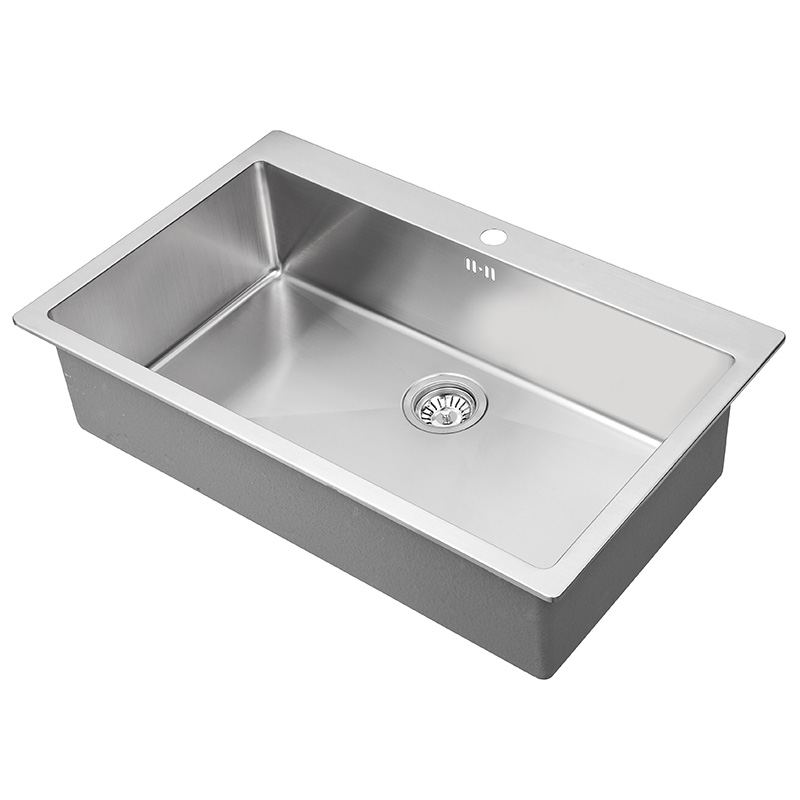
Why Water Spots Form On Stainless Steel
When water dries, it leaves behind dissolved solids. In many regions, the main contributors are calcium and magnesium from hard water. Even softer water can leave spots because of trace minerals, soap residue, and detergent film. A stainless steel sink has a protective passive layer, but that does not stop minerals from drying on top of the finish. The result is white rings, cloudy patches, and dull areas that show up most strongly under side lighting.
Water spotting typically becomes worse when:
Water is left to air-dry after rinsing
The sink is coated with soap film, which traps minerals
Hot water evaporates faster and concentrates minerals at the droplet edge
The sink finish has micro-texture that holds residue if it is not wiped
Understanding the cause makes prevention easier. If you stop mineral-rich droplets from drying on the surface, you stop the spots.
Daily Habits That Stop Water Spots Before They Start
Most water spots can be prevented with a short routine that takes less than a minute. The priority is to remove standing droplets and reduce residue.
Rinse And Clear Residue Immediately
After using the sink, rinse away soap and food residue. Residue acts like glue for mineral deposits. Even if you plan to wipe dry, you want to wipe clean water, not a mixture of detergent and oils.
A practical workflow:
Rinse the bowl and edges with clean water
Pay attention to corners, drain area, and the rim where droplets collect
Avoid leaving sponge suds on the steel surface
Dry The Sink With A Dedicated Cloth
Drying is the most effective prevention method. If water does not evaporate on the sink surface, it cannot leave mineral marks. A microfiber cloth works well because it lifts droplets and dries quickly.
Drying technique:
Wipe along the grain for brushed finishes
Start at the rim and work downward so you do not drag water back onto dry areas
Dry the drain flange and surrounding area because it tends to hold a ring of water
For high-use kitchens, keeping a dedicated sink towel near the sink is often the single most effective change.
Keep The Surface Free Of Soap Film
Soap film makes spotting worse. It creates a hazy layer that holds minerals and makes water dry unevenly.
To reduce film:
Use only the amount of dish soap needed
Rinse thoroughly after cleaning the sink
Avoid cleaners that leave heavy residue unless they are designed for stainless steel surfaces
If you notice a dull haze rather than distinct rings, soap film is likely a major contributor.
Weekly Prevention With Light Descaling And Conditioning
If you have hard water, daily drying helps but does not always stop all spotting. A weekly routine removes early mineral buildup before it becomes stubborn.
Use A Mild Acid Rinse For Minerals
A diluted vinegar wipe is commonly used to dissolve early mineral deposits. The goal is short contact time and complete rinsing.
A practical method:
Apply diluted vinegar to a cloth rather than pouring it directly into the sink
Wipe areas where spots usually appear
Rinse thoroughly with clean water
Dry completely
This keeps mineral deposits from building into thicker layers that require scrubbing.
Apply A Thin Protective Conditioner If Desired
Some users prefer applying a stainless steel conditioner or a light oil-based protectant that reduces how water clings to the surface. This can reduce spotting by changing the way droplets spread and dry.
If you use a conditioner:
Apply a very thin layer and buff evenly
Avoid thick films that attract dust or grime
Keep the product away from food-contact preparation areas unless it is explicitly suitable for that environment
Reapply only as needed, not daily
The goal is to reduce water adhesion, not to make the sink feel oily.
Prevention routine overview
| Frequency | Main Goal | Best Action | Why It Works |
|---|---|---|---|
| After each use | Stop evaporation residue | Rinse and dry | Prevents minerals from drying on steel |
| Daily | Remove film and droplets | Wipe along the grain | Reduces haze and streaking |
| Weekly | Control early scale | Light vinegar wipe, rinse, dry | Dissolves minerals before they harden |
| As needed | Maintain appearance | Optional conditioning, light buff | Reduces water cling and spotting |
What Not To Do If You Want To Prevent Spots
Some habits actually increase spotting or damage the finish, making spots harder to remove later.
Avoid these:
Letting the sink air-dry every time
This guarantees minerals will remain on the surface.Using abrasive powders or rough pads
Scratches trap minerals and make spots appear more frequently.Leaving cleaning products sitting on the sink
Some cleaners can discolor the finish or leave a film that attracts minerals.Using salt or chloride-heavy products on the surface
Long contact with chlorides can increase pitting risk in harsh conditions and can also create stubborn discoloration at seams.Using steel wool
It can leave iron particles that appear as rust-colored marks.
If you want a sink that stays visually clean, prevention should not rely on aggressive scrubbing.
How Water Quality Affects Water Spot Control
Water hardness is a major factor. If you have very hard water, even a short drying delay can leave marks. In that case, the right approach is to reduce mineral concentration or reduce contact time.
Options to consider:
Improve rinse habits
A final rinse with clean water after using detergents reduces soap film that traps minerals.Use filtered water for final rinse in high-end display kitchens
In some settings, a filtered rinse reduces spotting because fewer minerals remain.Evaluate a softener for whole-house water systems
This is a broader infrastructure solution and is more relevant for projects or homes where spotting is a persistent issue across multiple fixtures.
Even without changing water quality, drying and residue control still delivers the largest improvement.
Finish Type And Sink Design Considerations
Some finishes show spots more clearly than others. Brushed finishes can hide scratches but may show streaks if wiped across the grain. Satin finishes tend to look uniform. Polished finishes can show droplets and fingerprints more readily.
Sink design also affects spotting:
Deeper bowls can hold more standing water at the bottom if drainage is slow
Corner geometry can trap droplets
Drain flange area often becomes a spotting zone because water pools around the perimeter
JOINT POWER stainless steel sinks are built with practical structures and finishes that support easier daily maintenance and consistent appearance. You can review our sink range here: Stainless Steel Sink
Practical Tips For High-Use Kitchens And Project Installations
In high-traffic kitchens, prevention needs to be simple and repeatable. A routine that requires complex steps will not be followed consistently.
Operational tips:
Assign a dedicated microfiber cloth for sinks and replace it regularly
Create a shift-end wipe-and-dry step for commercial kitchens
Standardize a stainless-safe cleaner and a light descaling method for weekly maintenance
Train staff to wipe along the grain to reduce streaks on brushed finishes
Keep abrasive pads away from the sink station to prevent accidental scratching
For multi-unit projects, a simple maintenance guide improves consistency across locations and reduces finish complaints.
Conclusion
To prevent water spots on a stainless steel sink, the most effective method is to stop droplets from drying on the surface. Rinse away soap and residue, then dry the sink with a microfiber cloth, especially around the rim and drain area. For hard-water conditions, add a weekly light descaling wipe, rinse thoroughly, and dry to prevent mineral buildup from becoming stubborn. Avoid abrasive tools and residue-heavy cleaners that create film, because film traps minerals and makes spotting worse. With a consistent routine, stainless steel sinks can maintain a clean, uniform appearance even in high-use environments.
If you want help selecting a stainless steel sink finish that matches your maintenance expectations, or you need guidance for a project installation with specific water conditions, you can consult JOINT POWER. Share your sink style, installation method, local water hardness situation, and usage intensity, and we will recommend suitable stainless steel sink options and provide practical care guidance for your application.