
What Gauge Stainless Steel Sink Is Best?
The best gauge for a Stainless Steel Sink depends on how the sink will be used, how it will be installed, and what performance priorities matter most in your kitchen or project. Gauge is a thickness rating for sheet metal. In stainless steel sinks, a lower gauge number means thicker steel. Thicker steel generally feels more solid, vibrates less, and is less prone to visible “oil canning” flex when you place heavy cookware in the bowl. That said, thicker is not automatically better in every case. A well-designed sink balances gauge with bowl geometry, reinforcement, sound-deadening treatment, and installation method so the sink performs reliably in real workflows.
JOINT POWER manufactures stainless steel sinks engineered for daily use and project installations, with gauge options matched to different sink configurations and performance goals. You can explore our range here: Stainless Steel Sink
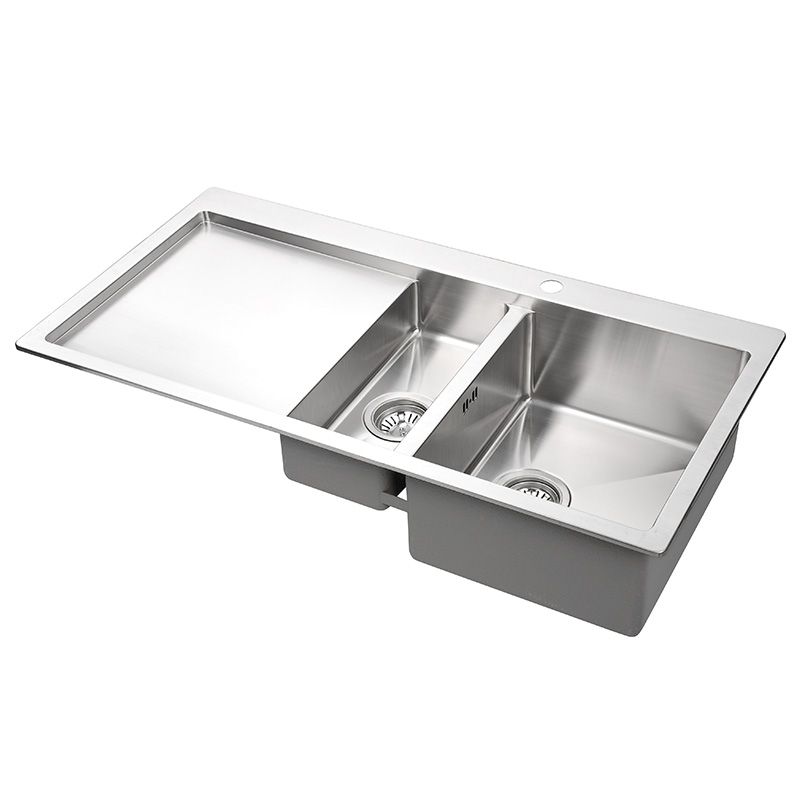
What Gauge Means In Stainless Steel Sinks
Gauge is a standardized way to describe sheet thickness. In sink discussions, the most important concept is the direction of the scale:
Lower gauge number means thicker steel
Higher gauge number means thinner steel
When people compare 16 gauge vs 18 gauge, they are comparing thickness and the behavior that comes with it, such as stiffness, vibration, and perceived quality. Gauge alone does not determine durability. A sink with a stronger rim structure, properly formed corners, and good undercoating can outperform a thicker sink that lacks reinforcement.
Common Sink Gauges And What They Are Best For
Most residential and light commercial stainless steel sinks fall into a narrow range of gauges. Each level has a practical “best fit” depending on expectations and budget.
16 Gauge
Often chosen for premium feel and higher rigidity. It typically reduces flex and noise compared with thinner options, especially in large single bowls. It is commonly specified for higher-use kitchens and projects that prioritize a solid, substantial sink.18 Gauge
A popular balance point for many kitchens. It usually provides good rigidity and durability when paired with sound pads and proper bowl forming. It is often used across a wide range of sink styles, including undermount and top mount.20 Gauge And Thinner
More common in entry-level products or low-demand use. It can be acceptable for smaller sinks or secondary prep areas, but it may be more prone to vibration and a lighter feel, especially in larger bowl sizes.
Gauge selection should also consider whether the sink is handmade or pressed, the corner radius, and whether the underside has sound dampening and protective coating.
How To Choose The Best Gauge For Your Kitchen Or Project
A practical way to select gauge is to match it to your usage intensity, bowl size, and installation approach. These factors determine whether thicker steel will deliver meaningful benefits.
Usage Intensity And Load Type
Think about what actually lands in the sink:
Frequent heavy pots, cast iron cookware, and daily washing of large items favors thicker steel because it reduces flex and impact noise.
Lighter-duty use, smaller households, and secondary sinks can perform well with a balanced gauge if the sink design is reinforced.
Bowl Size And Geometry
Large single-bowl sinks tend to show the biggest difference between gauges because there is more unsupported surface area.
If you want an oversized single bowl, a thicker gauge or stronger structural design helps maintain rigidity.
If you prefer double bowls with smaller compartments, the geometry itself adds stiffness, reducing the need to rely on gauge alone.
Installation Method
Installation affects how the sink behaves under load:
Undermount installations benefit from a rigid rim structure because the sink is supported differently than a top mount sink.
Top mount sinks can rely on the countertop cutout and rim seating, which may reduce perceived flex depending on how the sink is mounted.
If your project requires consistent performance across many units, define gauge together with mounting hardware, rim design, and undercoating requirements rather than treating gauge as a standalone spec.
Tradeoffs Between 16 Gauge And 18 Gauge
Most buyers are choosing between 16 gauge and 18 gauge. Both can be excellent when engineered properly.
Typical differences:
Feel And Rigidity
16 gauge usually feels more substantial and resists flex more under heavy load.Noise Control
Thicker steel can reduce vibration, but real noise performance also depends on sound-deadening pads, undercoating coverage, and how the sink is mounted.Cost And Weight
16 gauge generally costs more and weighs more. For shipping, handling, and installation planning, this may affect project decisions.
A well-built 18 gauge sink with robust sound treatment can meet most residential needs while controlling cost. A 16 gauge sink is often the best choice when buyers want maximum rigidity and a premium feel in daily use.
Specification Comparison Table
Use the table below as a practical guide. Final selection should be validated against the full sink design and installation context.
| Gauge Option | Best Fit Use Case | Performance Advantages | Considerations |
|---|---|---|---|
| 16 Gauge | Premium residential, high-use kitchens, large single bowls | Higher rigidity, reduced flex, solid feel | Higher cost, heavier shipping weight |
| 18 Gauge | Most residential kitchens, balanced projects | Good durability-to-cost balance, stable performance with proper sound pads | Design quality matters, especially bowl forming and undercoating |
| 20 Gauge | Light-duty use, secondary sinks, budget programs | Lower cost, lighter weight | More vibration risk, lighter feel in large bowls |
What Matters Besides Gauge
Gauge is important, but it is not the only quality driver. Two sinks with the same gauge can perform very differently.
Key build factors to evaluate:
Steel Grade
304 stainless steel is commonly selected for kitchen sinks because it supports corrosion resistance in typical kitchen conditions.Corner Radius And Bowl Forming
Tighter corners look modern but may hold debris if not designed well. Forming quality affects structural stability and long-term appearance.Rim And Mounting Reinforcement
A stronger rim improves stability, especially in undermount installations.Sound Deadening System
Pads and undercoating reduce vibration and improve acoustic comfort during use.Surface Finish And Grain Direction
Brushed finishes can hide micro-scratches better, and cleaning is easier when wiping along the grain.
For project buyers, it is often better to specify a performance package, such as gauge plus sound treatment coverage, grade, and mounting hardware, instead of selecting gauge alone.
How JOINT POWER Helps You Select The Right Gauge
At JOINT POWER, we support sink selection based on real installation conditions and usage expectations. For bulk order programs, we can align gauge choice with bowl size, mounting method, and sound-deadening requirements so your final sink configuration meets the target performance level consistently. You can review our stainless steel sink options here: Stainless Steel Sink
Conclusion
The best gauge stainless steel sink is the one that matches your use case and installation method. In many kitchens, 18 gauge offers an excellent balance of durability, stability, and value when the sink is well-designed and includes proper sound treatment. If you want a more premium feel, reduced flex in a large single bowl, and higher rigidity under heavy cookware use, 16 gauge is often the best choice. For reliable results, evaluate gauge together with steel grade, bowl geometry, rim reinforcement, and sound deadening rather than relying on gauge alone.
If you are unsure which gauge is right for your sink program or you need guidance for a specific countertop type and mounting method, you can consult JOINT POWER. Share your sink size, installation style, usage intensity, and target price tier, and we can recommend suitable gauge options and provide practical specification support for your project.