
Is A Stainless Steel Decorative Cabinet Right for Your Living Room?
A Stainless Steel Decorative Cabinet can be an excellent fit for a living room, but only when it matches the way the room is used and the visual language of the interior. Unlike wood or painted MDF cabinets that rely on warm grain or color layering, stainless steel brings a crisp, modern presence with a surface that is naturally resistant to humidity-related issues and day-to-day wear. It can look minimal and architectural in a contemporary space, or it can become a refined contrast piece in a softer, more traditional room when paired with the right lighting, textiles, and décor.
The decision is not only about style. A living room cabinet is often both storage and display. It holds books, collectibles, board games, tableware, seasonal items, or media accessories, while also occupying a prominent line of sight. That means the cabinet needs to balance three things at the same time: the way it looks at a distance, the way it holds up to touch and cleaning, and the way it organizes daily life.
This guide walks through the practical criteria for deciding whether a stainless steel decorative cabinet suits your living room, how to plan sizing and placement, what design directions work best, and what to look for in build quality. If you need to explore styles and specifications, please browse our stainless steel decorative cabinet page.
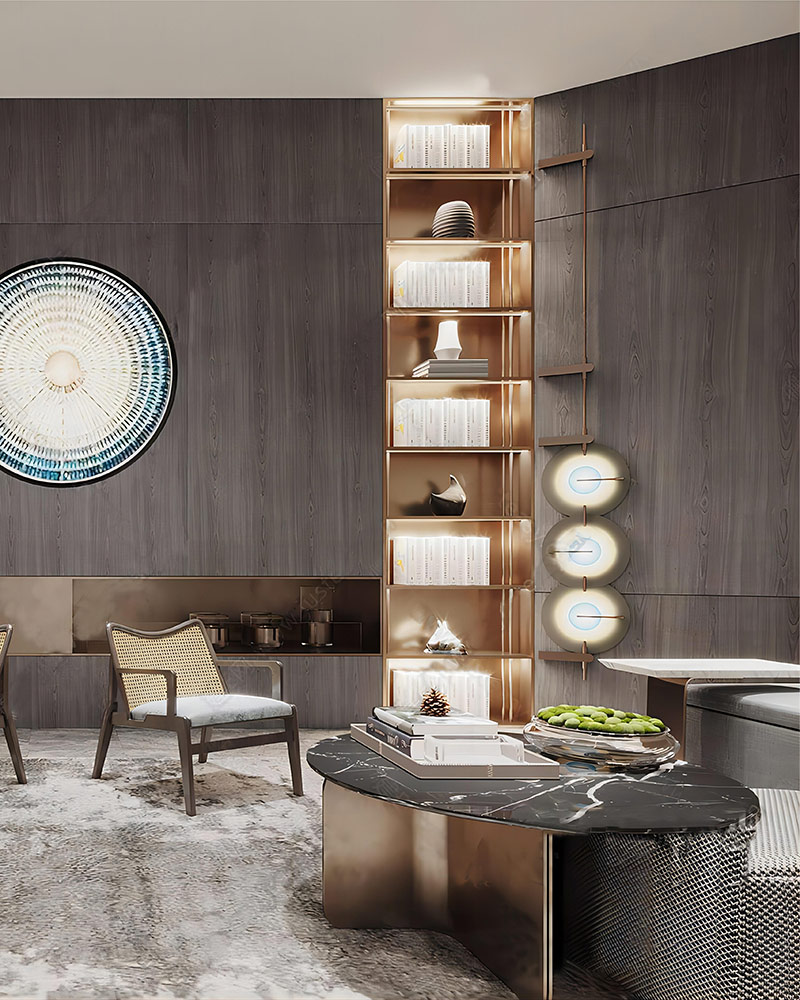
I. What a Stainless Steel Decorative Cabinet Adds to a Living Room
Stainless steel changes the visual weight of furniture. In living rooms, many surfaces are soft by default: upholstered seating, curtains, rugs, and painted walls. A Stainless Steel Cabinet introduces a clean, reflective, structured element that can make the entire room feel more intentional. It often reads as modern even in small details, such as sharper edges, tighter shadow lines, and a more defined profile.
It also changes the perception of cleanliness and order. Because stainless steel surfaces tend to look precise and uniform, the cabinet can make a space feel more organized even before you fill it. This is one reason stainless steel storage pieces are commonly chosen for modern apartments, open-plan living spaces, and interior styles that prioritize uncluttered lines.
However, this clarity is also a responsibility. A cabinet that looks crisp will look best when the surrounding objects are curated. If your living room tends to collect visible daily items on every surface, the cabinet should be planned with closed storage zones and practical internal layouts.
II. When Stainless Steel Works Best in Living Room Design
A stainless steel decorative cabinet is usually the right choice when the living room needs a piece that feels contemporary, stable, and visually refined.
It tends to work especially well in these cases:
I. Modern and minimalist interiors
If your living room uses neutral palettes, clean lines, and simple shapes, stainless steel will align naturally. It can echo other modern elements like glass, stone, or matte hardware.
II. Open-plan layouts where the cabinet is a focal point
In open-plan spaces, furniture needs to look good from multiple angles. Stainless steel can maintain a consistent appearance under different lighting conditions and viewpoints, especially when the surface finish is chosen with care.
III. Homes that prioritize easy maintenance
A living room cabinet is often touched frequently, moved around during cleaning, or used as a quick drop zone for daily items. Stainless steel supports fast wipe-down maintenance, which is especially valuable in households with children or pets.
IV. Spaces that need a durable display and storage solution
If the cabinet will hold heavier objects, such as large books, ceramics, or collections, a metal structure can support long-term stability and reduce the sense of flex that sometimes appears with lighter construction styles.
Stainless steel also pairs well with layered textures. It does not require the entire room to be industrial. In many living rooms, the best result comes from combining stainless steel with warm materials: wood floors, wool rugs, linen curtains, or soft neutral seating.
III. When Stainless Steel Might Not Be the Best Fit
A stainless steel cabinet is not automatically right for every living room. The most common mismatch is not quality but lifestyle and styling.
It may be less suitable when:
I. The room is intentionally rustic or heavily traditional
If your space is defined by ornate wood furniture, vintage finishes, or warm antique tones, a stainless steel cabinet can feel visually disconnected unless you intentionally treat it as a contrast statement.
II. You prefer low-contrast, low-reflection surfaces
Some living rooms rely on soft matte finishes to create a calm atmosphere. In that context, a stainless steel cabinet should use a brushed or satin finish rather than a bright reflective surface to avoid feeling too sharp.
III. You need very high capacity for concealed clutter
If the cabinet is expected to hide a large volume of irregular items, the internal layout matters more than the exterior material. Stainless steel can still work, but the design should prioritize doors, drawers, and adjustable partitions instead of open display.
IV. The cabinet will sit in harsh contact zones
If the cabinet will be placed in a tight corridor-like living room where people constantly brush against it, or where pets frequently jump and rub, you should choose a finish that hides light contact marks and plan protective furniture placement.
These concerns do not mean stainless steel is fragile. They simply mean the product should match how the room behaves, not only how it looks in photos.
IV. Surface Finish and Color Planning for a Balanced Look
In a living room, the finish choice can matter as much as the cabinet shape. Stainless steel can read differently depending on finish direction, sheen level, and how the light hits it across the day.
Common finish directions that fit living rooms:
Brushed or satin stainless steel
This finish softens reflection, reduces glare, and helps the cabinet feel more refined and less industrial. It is also more forgiving for day-to-day touch marks compared with a brighter finish.Polished stainless steel as an accent
A brighter, more reflective finish can look high-end when used intentionally, but it should be paired with controlled lighting and a clean surrounding palette to avoid visual noise.Mixed materials and mixed surfaces
Many living rooms benefit from breaking up metal with glass, stone, or darker panels to reduce the feeling of a single large metallic block. This approach can keep the cabinet decorative rather than purely utilitarian.
A simple palette rule can help planning: if your living room already has multiple reflective elements, choose a softer stainless finish. If the room is mostly matte and soft, stainless steel can provide one controlled highlight without overwhelming the space.
V. Practical Sizing, Placement, and Storage Planning
A living room cabinet fails most often because of sizing and placement, not because of material. Stainless steel tends to have visual weight. A cabinet that is too tall, too deep, or placed in the wrong line can dominate the room.
Key planning points:
I. Height and sightline
If the cabinet is primarily for storage, mid-height designs often feel more livable because they allow art, lamps, or décor above without blocking views. Taller cabinets work well when you need vertical storage, but they should be balanced with nearby elements like curtains or shelving.
II. Depth and walking clearance
Living rooms require comfortable circulation. If the cabinet is placed behind a sofa or near a passage, keep enough clearance so the room does not feel compressed. stainless steel cabinets often look best when they have breathing space around them.
III. Open versus closed storage
Open shelves look great for curated objects but require ongoing styling. Closed doors and drawers support everyday life. Many homeowners choose a hybrid approach: display zones for a few intentional pieces, and closed zones for practical items.
IV. Internal organization
The value of a decorative cabinet increases dramatically when it actually reduces clutter. Adjustable shelves, stable partitions, and well-placed drawers can turn a cabinet into a daily-use system rather than a decorative object.
If you are buying for projects or furnishing multiple units, consistent internal layouts are especially important. A cabinet that supports predictable organization reduces complaints and improves long-term satisfaction.
VI. Comfort, Safety, and Daily Use Considerations
A living room is a high-contact environment, so usability details matter.
Important points to evaluate:
I. Edge and corner treatment
A cabinet should feel safe around children and comfortable in tight living spaces. Clean edges can still be refined, but harsh corners are not ideal for active homes.
II. Door and drawer movement
Smooth, stable operation matters because living room cabinets are opened frequently. A stable structure supports alignment over time, which keeps doors closing correctly and drawers sliding cleanly.
III. Stability and anti-tip planning
If the cabinet is tall or narrow, consider anti-tip measures and stable base design, especially for homes with children.
IV. Noise and tactile feel
In living rooms, small noises are noticeable. Quiet closing and solid feel can make the cabinet feel significantly more premium in everyday use.
These details are where stainless steel furniture can feel exceptionally strong when engineered correctly. The cabinet should not only look modern, it should feel calm and stable in daily interaction.
VII. Why JOINT POWER Stainless Steel Decorative Cabinets Fit Modern Living Spaces
A stainless steel decorative cabinet should support both aesthetics and real usage. The most important expectation is consistency: consistent surface finish, consistent structure, and consistent fit so the cabinet looks clean from multiple angles and continues to operate smoothly over time.
JOINT POWER focuses on stainless steel decorative cabinet solutions designed for modern interiors where durability and presentation must coexist. That includes attention to surface finishing, structural stability, and design options that work across different living room styles, from minimalist apartments to more layered contemporary homes.
If you need to explore options, finishes, and cabinet layouts that match different room sizes and styling directions, please browse our stainless steel decorative cabinet page.
Conclusion
A stainless steel decorative cabinet can be right for your living room when you want a modern, structured focal piece that also supports practical storage and easy maintenance. It fits especially well in contemporary spaces, open-plan layouts, and homes where durability and clean presentation matter. The key is to plan the finish, size, and storage layout for your daily habits: choose a sheen level that suits your lighting, balance open display with closed storage, and place the cabinet where it complements circulation and sightlines rather than crowding them.
If you need to learn more about configurations and styling-ready options, please browse our stainless steel decorative cabinet page.