
How to Drill a Hole in a Stainless Steel Sink?
Drilling a hole in a Stainless Steel Sink is a common upgrade step when adding a soap dispenser, drinking water faucet, air switch, or other countertop accessory. Stainless steel is strong and springy, so the process is less about brute force and more about control: correct bit selection, stable support under the sink, proper speed, and consistent lubrication. When done correctly, the hole is clean, the rim stays smooth, and the sink surface remains protected.
If you are installing accessories on a high-quality sink such as a stainless steel sink from JOINT POWER, the goal is to keep the finish looking consistent while achieving an accurate opening size. This guide walks through the safest approach, the tools that work best, and the mistakes that cause scratches, warped holes, and rust-prone edges.
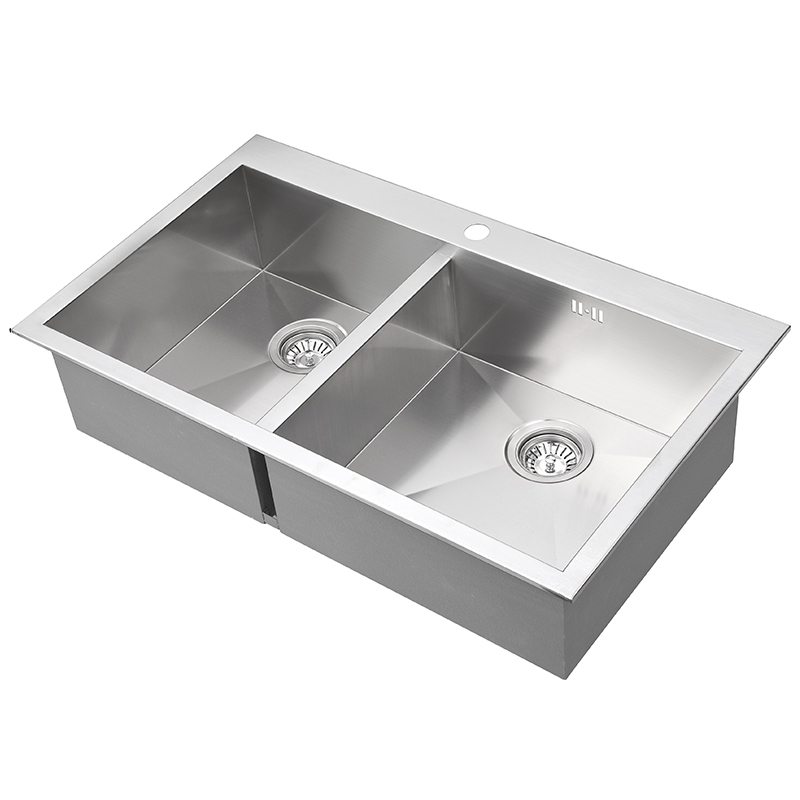
Confirm whether you should drill at all
Before drilling, check the sink and countertop configuration. Many stainless sinks are designed with pre-scored or pre-marked knockout positions, while some sinks are intended to be installed with accessories through the countertop rather than the sink deck.
Practical checks to do first:
Confirm the accessory requires a sink-deck hole rather than a countertop hole.
Measure the required hole diameter from the accessory specification.
Ensure there is enough clearance below for the nut, washers, and water lines.
Confirm the drilling position does not interfere with sink clips, support rails, or the faucet shank.
Verify your sink warranty or project rules if this is a jobsite installation.
Drilling is permanent. Planning prevents misaligned holes that cannot be hidden cleanly.
Choose the right hole location for function and stability
A hole location that looks centered is not always the best functional location. You want the accessory to be reachable, but you also want enough flat surface area so the mounting gasket seals well.
Good placement principles:
Keep the hole far enough from the sink edge to avoid distortion.
Avoid corners where the deck may curve or slope.
Leave space between holes so mounting nuts do not collide.
Consider daily use flow, such as where hands reach for soap or filtered water.
A simple test is to place the accessory body and imagine the hand motion while using it. If the location feels awkward, it will stay awkward forever.
Tools and materials you need for a clean result
Stainless steel drilling success depends heavily on using the correct tools. A low-quality bit or high speed is the fastest way to burn the metal, dull the tool, and leave a jagged hole.
Recommended items:
Variable-speed drill with good torque control
Center punch or a sharp nail set for starting the pilot
Masking tape for surface protection and marking
Cutting oil or lubricant, even light machine oil works
Step drill bit for clean, controlled enlargement
Or a hole saw designed for metal, if the hole is large
Scrap wood block to support the deck from below
Safety glasses and gloves suitable for metal work
Deburring tool or fine metal file
Rust-resistant touch protection for the cut edge if needed
For most sink deck holes, a step drill bit is often the most forgiving because it expands gradually and reduces the chance of grabbing.
Understand which bit type to use based on hole size
Different accessories require different diameters. Choosing the correct cutting method improves hole quality and reduces risk.
Small holes, such as 6 to 10 mm
A standard metal bit can work, but step bits still provide cleaner edges.Medium holes, such as 12 to 35 mm
A step drill bit is typically the easiest option. It cuts progressively and stays controlled.Large holes, such as 35 mm and above
A hole saw for metal may be required, but it demands stable support and careful lubrication to avoid chatter.
Always match the method to the diameter. Forcing a standard bit to create a large hole often creates oval edges and heat discoloration.
Step-by-step method for drilling a stainless steel sink
1. Protect the surface and mark the center
Apply masking tape over the drilling area. This reduces scratches and makes it easier to see your mark. Measure and mark the exact center point carefully. If the hole is mispositioned by even a few millimeters, it can affect accessory clearance or symmetry.
2. Secure support under the sink deck
Place a wood block tightly under the drilling area. This is critical. Stainless steel can flex while drilling, and flex causes grabbing, vibration, and uneven holes. Supporting the deck keeps the metal stable and reduces the chance of bending or tearing at the edge.
3. Create a starting point with a center punch
Use a center punch to create a small dent at the mark. Stainless is smooth and can cause the bit to wander. The punch creates an anchor so the pilot bit starts exactly where you want.
4. Drill a pilot hole at low speed
Start with a small bit, often around 3 to 4 mm, and drill a pilot hole. Use low speed and steady pressure. Add a few drops of cutting oil, and let the bit cut rather than forcing it.
If you see smoke, discoloration, or squealing, you are running too fast or too dry.
5. Enlarge the hole using a step bit or hole saw
If using a step drill bit:
Keep the drill speed low to medium.
Add oil regularly.
Pause between steps to control heat.
Stop frequently and check diameter against the accessory requirement.
If using a hole saw:
Keep speed low.
Apply consistent oil.
Maintain firm control to prevent chatter.
Let the saw teeth do the work, forcing it creates heat and distortion.
6. Deburr and smooth the edge
After the hole reaches the correct size, remove sharp edges with a deburring tool or a fine file. This step matters because sharp rims can cut hands during installation and can damage gaskets and hoses.
7. Clean thoroughly and dry the area
Remove metal shavings completely. Rinse the surface, wipe it clean, and dry it. Metal dust left behind can cause surface staining over time, especially around the fresh cut edge.
8. Install the accessory with correct sealing
Install the faucet, soap dispenser, or accessory according to its instructions. Ensure the gasket sits flat and the nut is tightened firmly without over-torquing. Over-tightening can deform the deck area or stress the seal.
Speed and lubrication rules that prevent heat damage
Most drilling mistakes come from excessive speed. Stainless steel work-hardens. If the bit overheats the surface, the metal becomes harder, and drilling becomes even more difficult.
Practical rules:
Use low speed and steady pressure.
Lubricate the bit and cutting surface regularly.
Stop periodically to let heat dissipate.
Replace or sharpen dull bits. A dull bit creates heat fast.
Do not run the drill at maximum rpm.
If the metal turns blue or dark near the hole, the area has overheated. It may still work, but it increases the risk of rough edges and tool damage.
Common mistakes and how to avoid them
Skipping the support block
This allows the deck to flex and causes grabbing, oval holes, and vibration marks.Drilling without a pilot hole
The bit can wander and scratch the surface, especially on brushed finishes.Using high rpm
This overheats and work-hardens stainless steel, making the job harder and messier.Forcing the bit
Stainless requires patience. Forcing causes sudden breakthrough and edge tearing.Not deburring
Sharp edges can cut installers, damage seals, and feel unprofessional.
Hole size planning for common sink accessories
Different accessories require different standard diameters. Always verify the exact requirement for your part, but these common ranges help you plan.
| Accessory type | Typical hole diameter range |
|---|---|
| Soap dispenser | 25 to 30 mm |
| Drinking water faucet | 12 to 16 mm, sometimes larger depending on shank |
| Air switch | 30 to 35 mm |
| Glass rinser | often 30 to 35 mm |
| Secondary accessory post | varies by design |
This is why measuring the actual shank and mounting hardware is essential before drilling.
Why sink build quality matters when adding accessories
A sink deck should provide a stable mounting surface that resists vibration and feels solid when accessories are tightened. When the deck is flat, well-formed, and finished consistently, installing additional fixtures looks clean and performs better.
JOINT POWER designs stainless steel sinks with practical installation needs in mind. Many projects need flexibility for add-ons, and a sink that supports stable mounting and maintains its finish after drilling makes customization more reliable for contractors and end users. If you have specific requirements, we can customize the product for you.
After drilling, protect the finish and keep the sink looking consistent
A newly drilled hole is a fresh edge. Keeping it clean and dry after installation helps maintain appearance.
Practical care steps:
Remove all shavings immediately.
Wipe the area dry after installation to prevent mineral spotting.
Avoid harsh cleaners on the new edge during the first clean.
Inspect the seal periodically during the first week of use to confirm there is no seepage.
These steps keep the sink deck tidy and help the accessory remain stable long-term.
Conclusion
To drill a hole in a stainless steel sink, start with careful placement and protection, support the deck with a wood block, punch the center, drill a pilot hole at low speed, then enlarge using a step drill bit or a metal-rated hole saw with proper lubrication. Deburr the edge, clean all shavings, dry the area, and install the accessory with a flat seal and controlled tightening.
When the process is controlled and the sink is built for real installation demands, adding accessories becomes a clean, professional upgrade. With a JOINT POWER stainless steel sink, you can plan practical customization while maintaining a consistent, durable finish.