
How to Remove Watermarks From a Stainless Steel Sink?
Watermarks on Stainless Steel Sinks are common, but they are not permanent. Most marks come from mineral deposits in hard water, soap residue, drying droplets, or a thin film left behind by cleaners that were not fully rinsed. The good news is that stainless steel is designed to handle frequent cleaning when the right method is used. The key is to remove the minerals or residue without damaging the sink surface, then change daily habits slightly so new marks do not appear as quickly.
JOINT POWER manufactures stainless steel sinks for real kitchen use, where splashes, detergents, and hard water are part of everyday life. A sink should be easy to maintain, look clean under normal lighting, and stay presentable over years of use. This guide explains practical, safe methods to remove watermarks and keep the finish looking consistent.
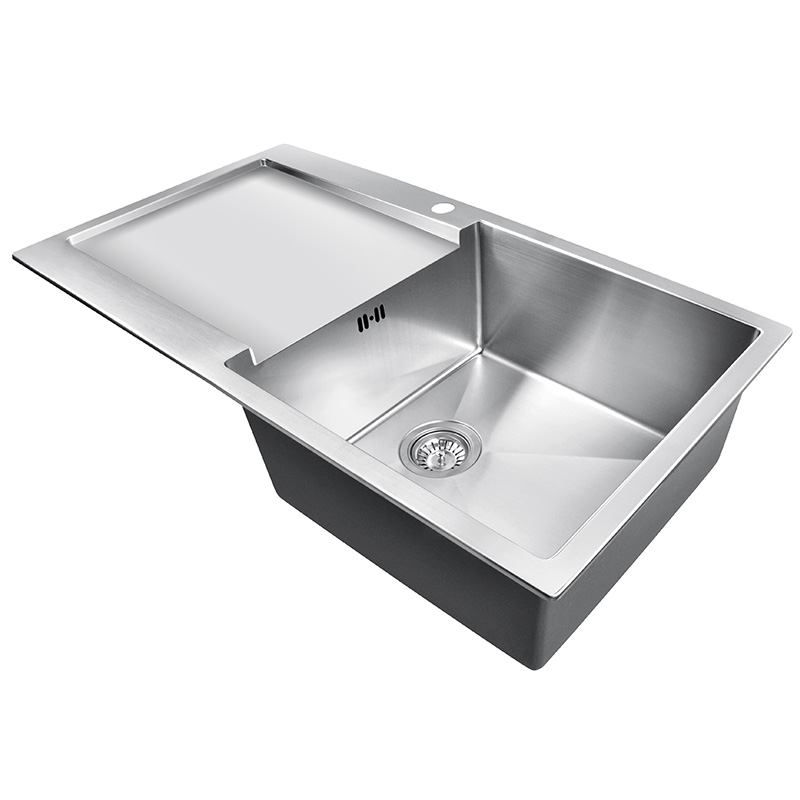
Understand what type of watermark you have before cleaning
Different marks respond to different treatments. Identifying the type saves time and prevents over-scrubbing.
Light white spots or chalky rings
These are usually mineral deposits from hard water. They dissolve best with mild acids such as vinegar or citric acid solutions.Rainbow discoloration or heat tint look
This can happen when hot water, certain cleaners, or residual chemicals create a thin surface film. It often improves with gentle cleaning and proper rinsing.Greasy haze or dull film
This is usually soap, oil, or cleaner residue. It removes best with a mild dish soap wash followed by thorough rinsing and drying.Dark streaks near the drain or corners
This is often trapped residue combined with minerals. It needs targeted cleaning with a soft brush and a safe remover.
Safe tools and cleaners that work without scratching
Before you start, gather tools that protect the stainless finish. Stainless steel is strong, but abrasive pads can leave micro-scratches that trap minerals and make future watermarks worse.
Soft microfiber cloths for wiping and drying
Non-scratch sponge for general cleaning
Soft nylon brush or old toothbrush for corners and around the drain
White vinegar or a citric acid solution for mineral deposits
Mild dish soap for grease and residue
Baking soda for gentle polishing paste when needed
Avoid steel wool, aggressive scouring pads, and harsh chlorine-based cleaners. These can damage the surface and may accelerate staining over time.
Method 1: Daily quick removal for fresh water spots
If you address water spots the day they appear, you often do not need any special remover. This method is ideal for routine upkeep.
Rinse the sink with warm water to remove loose residue.
Add a few drops of mild dish soap to a damp sponge.
Wipe the sink following the grain direction of the stainless finish.
Rinse thoroughly until no soap film remains.
Dry completely with a microfiber cloth, including around the drain and edges.
Drying is the step that makes the biggest difference. Many sinks look marked because droplets evaporate and leave minerals behind. Drying removes the water before it can leave residue.
Method 2: Remove hard water mineral deposits with vinegar
When watermarks are chalky or white, you are dealing with mineral deposits. Vinegar is an effective option because it dissolves minerals without aggressive abrasion.
Rinse the sink and lightly wipe away loose dirt.
Soak a microfiber cloth in white vinegar and lay it over the watermarked areas.
Let it sit for 5 to 10 minutes so the acid can break down mineral buildup.
Remove the cloth and gently wipe with a non-scratch sponge following the grain.
Rinse thoroughly with warm water.
Dry completely with a microfiber cloth.
If your water is extremely hard, you may need to repeat once. The goal is to dissolve the deposits rather than scrub them off forcefully.
Method 3: Use a citric acid solution for stubborn marks
Citric acid works similarly to vinegar but can be more effective for heavier mineral buildup, especially when marks have been sitting for weeks.
Mix citric acid powder in warm water until fully dissolved.
Apply the solution to the watermarks using a cloth or sponge.
Allow it to sit for several minutes.
Wipe gently along the grain.
Rinse completely.
Dry the sink fully.
This method is useful for owners who want stronger mineral removal without moving to harsh chemicals.
Method 4: Baking soda paste for dull haze and mixed residue
If the sink has a dull haze, you may have a combination of mineral deposits and soap film. A baking soda paste provides mild, controlled abrasion that can lift the film without scratching when applied correctly.
Rinse the sink and leave it slightly damp.
Sprinkle baking soda and add a small amount of water to form a soft paste.
Gently rub the paste with a soft sponge following the grain.
Focus on watermark rings and dull zones without pressing hard.
Rinse completely until no powder remains.
Dry with a microfiber cloth.
The paste should feel smooth, not gritty. The goal is gentle polishing, not aggressive scrubbing.
Method 5: Target corners, seams, and drain zones
Watermarks often accumulate in low-flow areas where water sits longer. Corners, drain edges, and seams need a more targeted approach.
Use a soft toothbrush with a small amount of vinegar or citric solution.
Work gently around the drain lip and along edges.
Rinse carefully to flush out loosened residue.
Dry the area fully to prevent quick re-deposit.
This detail work often makes the sink look significantly cleaner, because the eye is drawn to the drain area first.
What not to do if you want the sink to stay looking new
Many sinks get permanently dulled by the wrong cleaning habits. Avoid these common mistakes:
Scrubbing against the grain, which creates visible scuff patterns.
Using abrasive pads that create micro-scratches and trap minerals.
Leaving acidic cleaners on too long, which can harm surrounding fixtures.
Using bleach or chlorine-heavy cleaners that can cause discoloration.
Skipping rinsing, which leaves cleaner film that attracts watermarks.
If you treat watermark removal as a gentle chemical process rather than a forceful scrubbing task, the finish stays more consistent long-term.
Simple habits that prevent watermarks from coming back quickly
Removing watermarks is only half the solution. The most effective approach is to reduce how fast new spots form.
Dry the sink after the last use each day
This stops mineral deposits from forming during evaporation.Rinse after using dish soap or cleaners
Soap film is a strong magnet for water spots.Wipe high-splash zones
Areas near the faucet and around the drain show marks first.Avoid air-drying
In hard-water homes, air-drying almost always leaves visible spotting.Use a weekly mineral removal routine
A quick vinegar wipe once a week can prevent buildup from becoming stubborn.
These habits are simple, but they dramatically reduce how often you need deep cleaning.
Cleaning plan for different water conditions
| Home water condition | Best routine | Deep cleaning frequency |
|---|---|---|
| Soft water | Soap wash and dry | As needed |
| Moderate hardness | Dry daily and vinegar wipe weekly | Every 2 to 4 weeks |
| Hard water | Dry daily and mineral wipe twice weekly | Weekly or biweekly |
This plan keeps the sink presentable without over-cleaning or using harsh chemicals.
Why stainless steel sinks remain practical for real kitchens
Stainless steel remains one of the most popular sink materials because it is durable, hygienic, and easy to restore visually with proper cleaning. When maintained correctly, it handles daily use well and continues to look clean even in busy kitchens.
JOINT POWER designs stainless steel sinks to fit these real-world expectations. A well-made sink should resist everyday wear, clean up efficiently, and stay visually consistent with normal care routines. When you remove watermarks correctly and adopt simple prevention habits, stainless steel stays one of the easiest sink materials to live with long-term.
Conclusion
To remove watermarks from a stainless steel sink, start by identifying whether the mark is mineral buildup or residue film. Use mild dish soap for fresh spots, vinegar or citric acid solution for hard water deposits, baking soda paste for dull haze, and targeted brushing for corners and drain zones. Always wipe along the grain, rinse thoroughly, and dry the sink completely.
With a simple routine, watermarks become a manageable maintenance issue rather than a permanent appearance problem, and a high-quality stainless sink can stay clean-looking and presentable through everyday kitchen use.