
How To Build A TV Wall Unit?
Building a TV wall unit is not only about visual design. A well-constructed unit must safely support the TV, manage cables efficiently, resist long-term deformation, and remain easy to maintain. Material selection, production accuracy, and installation logic all play a decisive role in the final quality. This guide explains how to build a TV wall unit step by step, while integrating a Stainless Steel Cabinet solution as the structural base.
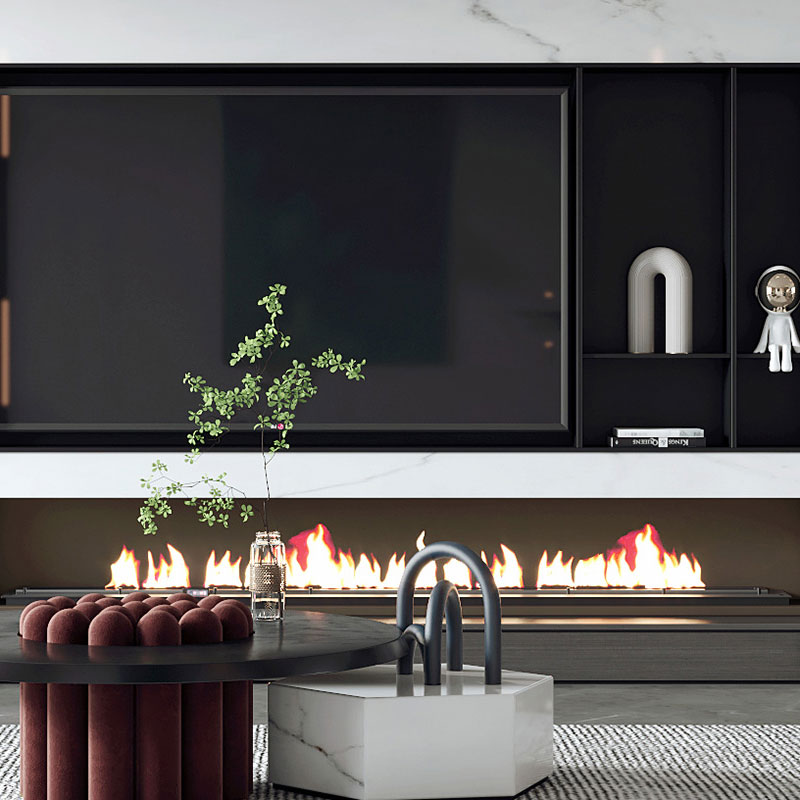
1. Define the Structure of the TV Wall Unit
A functional TV wall unit typically consists of three coordinated parts:
A wall-mounted TV bracket fixed to the structural wall
A base cabinet for storage and device placement
A back panel or feature wall for alignment and cable concealment
The cabinet is not only decorative. It visually anchors the TV and provides long-term structural stability. Using a stainless steel cabinet helps prevent twisting or sagging that can occur with wood-based materials over time.
2. Measure and Plan the Layout Accurately
Precise planning ensures comfort, safety, and clean alignment.
Key measurements to confirm:
TV size and VESA mounting points
Eye-level viewing height when seated
Cabinet width, depth, and height
Distance between cabinet top and TV bottom
Power outlet and cable routing locations
Because stainless steel cabinets are manufactured with CNC-controlled accuracy, consistent dimensions make it easier to achieve straight lines and symmetrical layout during installation.
3. Select the Correct Wall Fixing Method
Wall construction determines how the TV wall unit should be fixed.
Common wall types:
Concrete or brick walls using expansion anchors
Drywall with wooden studs using direct stud fixing
Metal stud walls with reinforced backing plates
The TV mount must always be fixed directly to the wall structure. The cabinet should be firmly secured to the wall as well, ensuring overall stability and preventing movement during daily use.
4. Choose Materials That Support Long-Term Use
Material choice affects durability, safety, and maintenance requirements.
Material Comparison for TV Wall Units
| Material | Structural Stability | Moisture Resistance | Maintenance | Recommended Use |
|---|---|---|---|---|
| MDF board | Medium | Low | Medium | Dry residential interiors |
| Plywood | High | Medium | Medium | Standard built-in units |
| Solid wood | High | Medium | High | Decorative applications |
| 304 stainless steel | Very high | High | Low | Long-term, premium wall units |
JOINT POWER cabinets are produced from 304 stainless steel, offering strong corrosion resistance and dimensional stability. This makes them suitable for modern living spaces, including environments with higher humidity or frequent cleaning.
5. Design Cable Management Before Installation
A clean TV wall unit depends on concealed and serviceable cable routing.
Recommended planning includes:
Hidden power outlets behind the TV or inside the cabinet
Dedicated cable channels connecting TV and cabinet
Separation of power and signal cables
Access points for maintenance and upgrades
Stainless steel cabinet structures allow precise cutouts and internal routing without compromising frame strength, helping keep cables organized and protected.
6. Install the Stainless Steel TV Cabinet First
The cabinet establishes the visual baseline for the entire wall unit.
Installation steps:
Level the cabinet horizontally and vertically
Secure it firmly to the wall structure
Check door alignment and smooth operation
Confirm internal clearance for electronic devices
The structural rigidity of a stainless steel cabinet reduces the risk of deformation, ensuring the TV and cabinet remain aligned over time.
7. Mount the TV Safely and Precisely
After the cabinet is installed, mount the TV.
Important checks:
TV mount load rating exceeds TV weight
Fasteners are tightened according to specification
TV is centered relative to the cabinet
Cables have sufficient slack for adjustment
Proper alignment between the TV and the cabinet creates a clean, integrated appearance.
8. Provide Adequate Ventilation
Electronic devices generate heat that must be dissipated.
Ventilation guidelines:
Rear openings inside the cabinet
Space behind and above equipment
Avoid sealed compartments
Stainless steel resists heat deformation and supports stable airflow design, making it suitable for housing electronic equipment in a wall unit.
9. Finishing Details That Reflect Quality
Finishing determines whether a TV wall unit looks professional or improvised.
Key quality details:
Even gaps around doors and panels
Scratch-resistant and easy-to-clean surfaces
Reinforced joints and smooth edges
Consistent surface finish
JOINT POWER cabinets combine full soldering techniques for strong joints with PVD vacuum plating for durable and uniform surface finishes.
10. Manufacturing Strength Behind the Product
A reliable TV wall unit starts with controlled manufacturing.
JOINT POWER production capabilities include:
Over 40 years of OEM experience for high-end home furnishing brands
ISO9001 quality management system
CNC intelligent production lines
Swiss Bystronic laser cutting equipment
German welding technology
5S and lean production management
These systems ensure consistency, structural accuracy, and stable quality in every stainless steel TV cabinet.
Conclusion
Building a TV wall unit requires careful planning, secure installation, and durable materials. By combining a properly mounted TV with a high-quality stainless steel cabinet, you can achieve a wall unit that remains stable, visually clean, and easy to maintain over time.
A well-manufactured stainless steel solution, such as JOINT POWER’s stainless steel TV cabinet, provides a solid foundation for modern TV wall units where long-term performance and structural reliability matter most.