
Are TV Wall Units Out of Style?
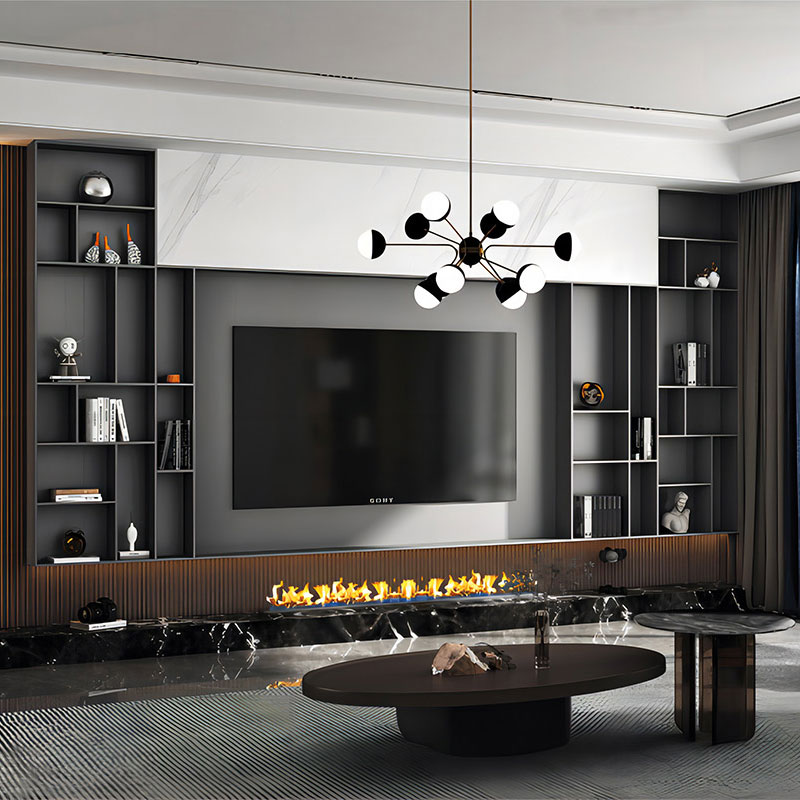
TV wall units are not out of style. What is fading is one specific look: oversized, bulky entertainment centers that dominate the whole room and feel visually heavy. What is growing is a more architectural approach where the TV zone is treated as a clean, integrated wall with storage, cable control, and display space that matches the overall interior style.
For homeowners, designers, and project buyers, the question is no longer whether a TV wall unit is trendy. The real question is whether it solves modern living room problems without creating new ones, such as clutter, awkward proportions, poor ventilation, or a finish that looks dated in two years. This is where a well-built metal TV cabinet becomes relevant, especially for contemporary spaces that prioritize durability and a crisp visual line.
This article explains what has changed in TV wall design, what buyers should look for today, where TV wall units still make sense, and why Stainless Steel TV Cabinets are becoming a practical alternative in modern interiors.
What Changed in Interior Trends
Modern living rooms are more multi-purpose than before. The TV area is now expected to do several jobs at once: hide devices, manage wiring, provide closed storage, and still look minimal. At the same time, TVs have become larger and thinner, which changes the scale relationship between the screen and the furniture below or around it.
The result is that buyers and designers are moving away from furniture that visually competes with the TV. Instead, they prefer solutions that support the TV wall as a calm background, with storage that feels intentional rather than bulky.
What People Mean When They Say TV Wall Units Are Out of Style
When someone says TV wall units are out of style, they usually refer to one or more of these common issues.
The unit looks too heavy for open-plan rooms
A large wall of thick panels and deep cabinets can overwhelm a space, especially when the kitchen, dining, and living areas share one visual line.The layout is built for old devices
Older wall units often assume large cable boxes, DVD shelves, and multiple stacked components. Today, many homes use fewer devices or smaller devices, so the layout can feel inefficient.Cable clutter is no longer acceptable
A “modern” TV wall that still shows wires, adapters, and power strips quickly looks unfinished.The finish ages poorly
Some wood-look laminates, glossy finishes, or trend-specific colors can look dated faster than neutral, architectural materials.
The trend shift is not against TV wall storage. It is against storage that looks like a furniture block rather than part of the architecture.
What Is In Style Now
The current direction is a cleaner, more structured TV wall that blends storage into the room’s visual language.
• Low-profile, linear cabinets that emphasize horizontal lines
These work well under large TVs and keep the room feeling open.
• Closed storage with selective display
Many buyers want to hide day-to-day items while keeping a few shelves for decor or books.
• Integrated cable management
The TV wall is expected to look clean from every angle, including side views in open layouts.
• Durable, low-maintenance surfaces
More projects are choosing materials that handle daily touch, cleaning, and long-term wear without looking tired.
A stainless steel TV cabinet fits this direction because it can deliver a sharp outline, a controlled finish, and a more architectural presence than many conventional materials.
Why stainless steel tv cabinets Are Gaining Attention
Stainless steel is not a trend material. It is a performance material. That difference matters for buyers who care about longevity, consistency, and easy maintenance.
1. It matches modern, minimal interiors without visual heaviness
Metal cabinetry tends to read as crisp and structured, which aligns well with contemporary styles such as minimal, industrial, and modern luxury. It can support a TV wall that looks intentional rather than decorative.
2. It performs well in high-use homes and projects
TV cabinets get touched constantly: opening doors, wiping dust, moving devices, placing decor, and adjusting cables. Stainless steel handles repeated use with stable structure and predictable maintenance requirements, which is useful for residential projects and also for furnished apartments, hospitality spaces, and common areas.
3. It supports a cleaner “built-in” look
A TV wall looks most modern when it feels integrated. Stainless Steel Cabinetry can be designed in a way that keeps lines straight and surfaces consistent, which makes the TV wall feel more architectural.
4. It reduces long-term finish anxiety
Some finishes are sensitive to humidity, heat, or daily cleaning habits. Stainless steel generally gives buyers more confidence for long-term appearance, especially when the cabinet is part of a main visual wall.
For buyers comparing options, it helps to review a real product line rather than only generic style photos. You can see JOINT POWER’s dedicated category here: stainless steel TV cabinet.
When TV Wall Units Still Make Sense
TV wall units remain a smart choice in many situations, especially when the buyer has functional needs beyond “just holding a TV.”
• Small apartments that need more closed storage
A TV wall can replace extra cabinets and reduce clutter.
• Large living rooms where a blank wall feels unfinished
A well-proportioned TV wall adds structure and balance.
• Homes with kids or frequent entertaining
Closed storage helps keep the room tidy quickly.
• Projects that require a consistent furniture style across units
Developers and designers often prefer a repeatable, durable solution.
The key is choosing a TV wall unit that matches today’s expectations for proportion, cable control, and material performance.
What to Look for When Buying a TV Wall Unit Today
These are the practical evaluation points that directly affect how “modern” the TV wall will feel after installation.
Proportion and depth
A cabinet that is too deep can make the room feel narrower, especially in open-plan layouts. The best choice balances storage needs with visual lightness.Cable routing plan
A modern TV wall needs planned entry and exit points for power, HDMI, and network cables. If the design forces cables to run visibly, the wall will never look finished.Ventilation for devices
Consoles, routers, and media boxes produce heat. Storage design should reduce heat buildup to avoid long-term device issues.Storage zoning
A functional TV wall separates categories: daily items in closed zones, occasional items in drawers, display in limited open zones.Surface durability and cleaning reality
A living room cabinet will be cleaned and wiped often. The material must match real cleaning habits, not only showroom conditions.
Granite, Wood, or Stainless Steel: A Quick Comparison
| Decision Factor | Typical Wood-Based TV Units | Metal TV Cabinets (Stainless Steel) |
|---|---|---|
| Visual style direction | Can be warm and decorative | Clean, architectural, modern |
| Daily maintenance | Depends on finish and edge durability | Wipe-clean friendly for daily use |
| Long-term appearance stability | Varies with humidity and finish aging | Generally stable and consistent |
| Project repeatability | Varies across batches and finishes | Easier to keep consistent look |
| Best fit scenarios | Warm residential styles | Modern homes, projects, high-use spaces |
The best choice depends on the interior direction and the buyer’s maintenance expectations. For many modern projects, stainless steel becomes attractive because it reduces uncertainty in long-term performance.
How JOINT POWER Fits Modern TV Wall Needs
A TV wall unit must look clean, function smoothly, and stay consistent over years of use. JOINT POWER focuses on metal-based manufacturing experience, which supports stable structure and repeatable output for buyers who care about reliability.
If your goal is a modern TV wall that does not rely on short-lived design trends, but instead uses a durable material and a clean architectural line, explore the JOINT POWER stainless steel TV cabinet series for options aligned with contemporary interiors.
Conclusion
TV wall units are not out of style. The old-fashioned, bulky entertainment center look is what has declined. The modern TV wall is still a strong design choice, as long as it is proportioned correctly, manages cables cleanly, and uses a material that holds up in real life.
For buyers who want a TV wall that stays modern through long-term use, stainless steel TV cabinetry offers a practical alternative with clean visual structure, consistent maintenance, and durable performance. JOINT POWER’s stainless steel TV cabinet range is designed for exactly this direction, supporting modern living spaces where storage and style need to coexist without clutter.