
Is 18 Gauge Stainless Steel Sink Good?
When choosing a Stainless Steel Sink, gauge thickness is one of the most discussed specifications. Many homeowners, designers, and contractors ask whether an 18 gauge stainless steel sink is truly a good option for long-term kitchen use. The short answer is yes, but only when thickness is combined with proper material quality, structural design, and manufacturing standards.
This article explains what 18 gauge really means, where it performs best, where limitations may appear, and why JOINT POWER stainless steel sinks are engineered to make 18 gauge an ideal balance of durability, performance, and value.
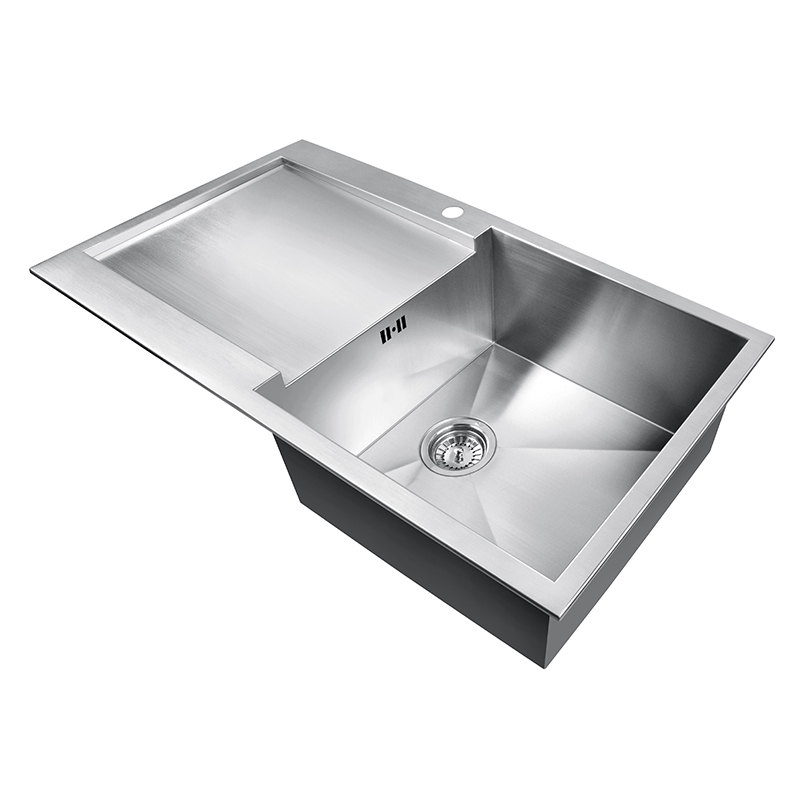
What Does 18 Gauge Mean in Stainless Steel Sinks?
Gauge refers to the thickness of stainless steel, and the system works in reverse: the lower the number, the thicker the steel.
• 16 gauge is thicker and heavier
• 18 gauge is slightly thinner but more flexible in design
• 20 gauge and above are noticeably thinner and less durable
An 18 gauge stainless steel sink typically measures about 1.2 mm thick. This thickness is widely used in residential kitchens because it balances strength, weight, sound control, and manufacturing precision.
Why 18 Gauge Stainless Steel Is a Practical Choice
1. Strong dent resistance for everyday kitchen use
An 18 gauge sink provides sufficient wall thickness to resist dents caused by daily activities such as washing cookware, handling heavy pots, or placing small appliances in the basin. While extremely heavy commercial abuse may favor thicker steel, 18 gauge performs reliably in normal residential environments.
At JOINT POWER, additional reinforcement is applied at stress-prone areas such as corners and drain zones, ensuring that real-world use does not compromise the sink structure.
2. Better stability at the rim and mounting edges
Sink rigidity is not only about bowl thickness. The rim area plays a critical role in undermount and top-mount installations.
• A weak rim can flex over time
• Sealant fatigue may occur if the sink moves
• Long-term stability depends on edge strength
JOINT POWER sinks are designed with reinforced rims and precision-formed edges, allowing 18 gauge material to maintain mounting stability without unnecessary bulk.
3. Quieter performance with proper insulation
Noise is often blamed solely on steel thickness, but vibration control matters just as much.
An 18 gauge sink combined with:
• Sound-deadening pads
• Anti-condensation coatings
• Optimized bowl geometry
can achieve excellent noise reduction. Thinner sinks without insulation tend to amplify sound, while properly engineered 18 gauge sinks deliver a quieter washing experience.
4. Better formability for modern sink designs
Modern kitchens increasingly favor:
• Deep single-bowl sinks
• Sharp-radius corners
• Integrated drain channels
These designs require steel that can be formed precisely without cracking or distortion. 18 gauge stainless steel offers better formability than thicker materials, allowing JOINT POWER to produce clean lines, consistent wall thickness, and refined aesthetics.
When 18 Gauge May Not Be the Best Option
1. Extremely heavy-duty commercial environments
In industrial kitchens where cookware is frequently dropped or heavy loads are routine, thicker gauges may reduce long-term risk. However, these environments represent a small percentage of sink installations.
2. Poor engineering cannot be fixed by thickness alone
• Thin reinforcement
• Weak mounting design
• Inadequate sound insulation
Even a thicker sink will perform poorly if engineering is lacking. Quality manufacturing matters more than gauge alone, which is why JOINT POWER focuses on full structural optimization rather than relying on thickness as a marketing number.
Why JOINT POWER 18 Gauge Stainless Steel Sinks Perform Better
JOINT POWER sinks are not generic gauge-based products. They are engineered systems designed for durability, usability, and installation reliability.
Key advantages include:
• High-grade stainless steel with consistent composition
• Reinforced bowl corners and drain areas
• Precision welding and polishing
• Sound-deadening and anti-condensation treatment
• Compatibility with undermount, top-mount, and custom installations
You can explore the full range of JOINT POWER stainless steel sinks to see how 18 gauge is applied correctly in real kitchen solutions.
18 Gauge vs Other Gauges at a Glance
| Gauge | Typical Use | Key Characteristics |
|---|---|---|
| 16 Gauge | Heavy-duty or premium niche | Very thick, heavier, higher cost |
| 18 Gauge | Most residential kitchens | Balanced strength, sound control, formability |
| 20 Gauge | Entry-level or budget sinks | Lighter, more prone to vibration |
Conclusion
An 18 gauge stainless steel sink is a very good choice for modern kitchens when it is properly designed and manufactured. It offers the ideal balance between strength, noise control, design flexibility, and long-term reliability.
JOINT POWER demonstrates that gauge alone does not define performance. Through reinforced structures, quality materials, and precision engineering, 18 gauge stainless steel becomes a dependable, high-performing solution for everyday kitchen use.
For homeowners, builders, and distributors seeking durability without unnecessary weight or cost, 18 gauge remains one of the smartest stainless steel sink choices available today.