
How To Build A Refrigerated Wine Cabinet
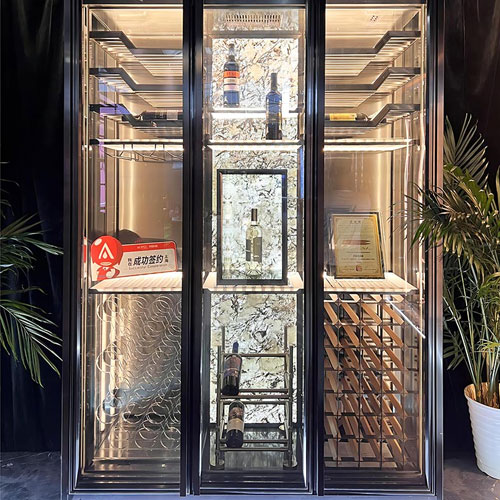
A refrigerated wine cabinet is an essential piece for anyone who wants to protect the flavor, aroma, and long-term quality of their wine collection. Unlike regular storage furniture, a refrigerated wine cabinet provides controlled temperature, stable humidity, and vibration-free preservation. Building one requires a careful combination of structural engineering, insulation science, cooling technology, and aesthetic design. Whether the goal is residential use or commercial display, the cabinet must balance appearance, functionality, and long-term reliability. Modern stainless-steel structures—such as the stainless steel wine cabinet from JOINT POWER—show how thoughtful construction paired with advanced production systems delivers a durable, elegant, and stable wine-preserving environment.
How To Build A Refrigerated Wine Cabinet
Creating a refrigerated wine cabinet involves several key stages: structural design, frame fabrication, insulation installation, cooling-system integration, door construction, lighting design, and final testing. Below is a detailed explanation of how a high-quality cabinet is built from start to finish.
Designing the Cabinet Structure
The foundation of any refrigerated wine cabinet begins with precise structural design. Engineers must determine the size, bottle capacity, cooling requirements, air circulation pattern, and weight distribution. The design also includes placement of the evaporator, compressor, ventilation channels, temperature sensors, and wiring paths. Modern manufacturers use 3D modeling and CNC-based planning to ensure structural accuracy and component alignment. Stainless steel is often selected early in the design process because of its stability, corrosion resistance, and ability to maintain consistent temperatures.
Fabricating the Stainless-Steel Frame
A wine cabinet’s durability largely depends on its frame. Stainless steel is preferred because it remains stable under cold conditions, does not absorb moisture, and resists corrosion over decades of use. In high-end production environments, CNC intelligent systems and Swiss Bystronic laser-cutting equipment shape the steel with precision. Smooth edges, accurate bends, and exact panel lengths ensure a tight, sealed cabinet once assembled. This manufacturing accuracy is also supported by 5S lean production management, reducing error rates and ensuring consistent quality across batches.
Adding Reinforced Thermal Insulation
Refrigeration efficiency depends greatly on proper insulation. Polyurethane foam, multi-layer insulation boards, or high-density thermal materials are inserted within the cabinet walls. The goal is to keep the interior stable between 5–18°C while blocking external heat intrusion. Interior insulation also reduces the workload on the compressor, enhancing energy efficiency and extending mechanical lifespan. Precise thickness, uniform application, and airtight sealing determine how well the cabinet maintains consistent temperature.
Installing the Cooling System
The cooling system includes the compressor, condenser, evaporator, and circulation fan. These components must be calibrated to maintain low vibration, stable cooling, and quiet operation—crucial for protecting wine. The evaporator is placed inside the cabinet to cool the interior, while the compressor and condenser are positioned in ventilated zones to release heat. Airflow channels are engineered to avoid dead zones, ensuring that every bottle receives consistent cooling. Advanced temperature sensors and digital control systems allow the user to adjust settings without temperature fluctuations.
Building the Door and Sealing Components
The cabinet door influences energy efficiency. Tempered glass with insulated layers is commonly used to showcase the wine while maintaining temperature control. A stainless-steel frame supports the glass, and magnetic seals ensure air-tight closure. Door construction must balance visibility, insulation, and durability. In premium wine cabinets, anti-condensation coatings or heating films are added to prevent moisture buildup on the door surface.
Interior Layout and Wine Rack Design
The interior layout determines bottle stability and ease of access. Stainless-steel or hardwood racks are shaped to cradle bottles gently, maintain correct angles, and prevent vibration. Racks may be fixed, sliding, or modular for easy rearrangement. Interior materials should not absorb odors or moisture, ensuring that the wine’s aroma remains unaffected.
Integrating LED Lighting
LED lighting enhances visibility, highlights label presentation, and adds a luxurious atmosphere. Low-heat LEDs are necessary to avoid warming the wine. Lighting is often integrated into rack edges, ceiling panels, or side columns. Adjustable color temperatures allow users to customize the ambiance.
Electrical Wiring and Control Panel Installation
Wiring must be done neatly to ensure safety and easy maintenance. Control panels include temperature settings, humidity control, lighting switches, and security alarms. Digital thermostats allow stable temperature regulation and protect against sudden fluctuations.
Final Assembly, Leak Testing, and Performance Calibration
Before leaving the factory, the assembled wine cabinet undergoes strict testing. This includes:
Temperature stability testing over several hours
Door-seal airtightness inspection
Noise-level measurement
Electrical safety checks
Refrigeration efficiency evaluation
Manufacturers such as JOINT POWER emphasize craftsmanship paired with intelligent systems, ensuring that every welded seam, insulated panel, and refrigeration component meets high performance standards.
Common Questions About Building a Refrigerated Wine Cabinet
Many customers want clarity before choosing a refrigerated wine cabinet, especially regarding construction details and long-term reliability. Below are the most frequent inquiries and detailed answers.
“Why is stainless steel recommended for a refrigerated wine cabinet?”
Stainless steel is structurally stable, corrosion resistant, and unaffected by moisture or low temperatures. It keeps the cabinet body firm, prevents warping, and provides a long service life. JOINT POWER’s stainless-steel wine-cabinet structure is engineered using advanced CNC systems, giving it both precision and durability.
“How does insulation affect wine storage?”
Insulation ensures that the cabinet maintains stable temperature and prevents compressor overwork. Without proper insulation, temperature fluctuates, affecting wine flavor and accelerating aging. A thick, uniformly applied insulation layer is essential for energy efficiency.
“Is a built-in wine cabinet different from a freestanding one?”
Yes. Built-in cabinets require front ventilation and precise size fitting, while freestanding cabinets need rear or side airflow clearance. Both types can be built with the same structural quality but follow different installation guidelines.
“Why is vibration control so important?”
Micro-vibrations disturb wine sediment, affecting taste and long-term aging. A well-built cabinet isolates vibration through compressor mounting pads and structural reinforcement. Stainless-steel frames improve stability compared to wooden or plastic structures.
“Does LED lighting affect wine?”
High-quality LED lighting produces minimal heat and does not damage wine. It enhances visibility and aesthetic appeal without warming the interior. Proper LED placement ensures a balance of beauty and performance.
“How long does a wine cabinet typically last?”
A high-quality refrigerated wine cabinet can last 10–20 years or more, especially when built with stainless steel. Better materials, precise manufacturing, and smart cooling systems extend lifespan significantly.
“Can I customize size and layout?”
Yes. Many manufacturers, including JOINT POWER, offer customization of height, width, rack structure, lighting style, and temperature zones to fit homes, bars, or commercial wine rooms.
Summary
Building a refrigerated wine cabinet involves precise engineering and attention to detail—from stainless-steel frame fabrication and insulation installation to cooling-system integration and final temperature calibration. Each component affects the cabinet’s performance, stability, and ability to preserve wine flavors for years. Stainless steel remains the top structural material due to its corrosion resistance, long lifespan, and modern appearance.
JOINT POWER combines advanced CNC systems, Swiss laser technology, German welding techniques, and over 40 years of manufacturing experience to produce reliable, stylish, and high-performance wine cabinets. With the right materials, craftsmanship, and cooling technology, a refrigerated wine cabinet becomes more than storage—it becomes a long-term investment for wine enthusiasts and professional collectors alike.
Previous: How Deep Are Kitchen Cabinets?