
Which Material Is Best for A TV Unit?
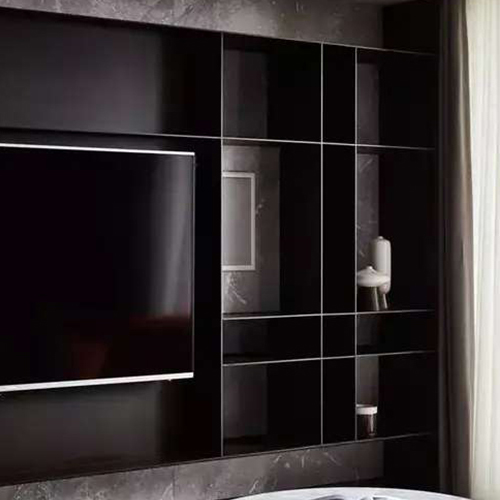
Choosing the best material for a TV unit is a decision that affects the durability, aesthetic value, stability, and long-term performance of your living space. TV units today are more than just a stand for screens—they serve as storage furniture, a decorative centerpiece, and an important structural element supporting expensive electronics. Because of this, homeowners increasingly compare different materials—such as wood, MDF, glass, engineered boards, and stainless steel—to find the option that offers the ideal combination of strength, beauty, and longevity. This article examines the advantages and limitations of common TV-unit materials and explains why stainless steel stands out as one of the most reliable choices. Modern stainless-steel structures—such as the stainless steel TV cabinet from JOINT POWER—show how this material delivers long-lasting performance while keeping a sleek, premium appearance.
Comparing Materials for TV Units
Different materials offer different benefits, and understanding the strengths and weaknesses of each helps create a furniture solution that aligns with durability expectations and design preferences. Below is a detailed comparison of the most commonly used materials.
Solid Wood
Solid wood is appreciated for its natural grain, warm appearance, and premium feel. Materials like oak, walnut, teak, and beech give TV units a strong structural foundation. However, wood is sensitive to humidity, prone to warping, and can fade with long-term exposure to sunlight. It also requires more care to avoid scratches, dents, and watermarks. While its appearance is favored in traditional interiors, solid wood may not be ideal for homes needing low maintenance or high moisture resistance.
MDF and Engineered Panels
MDF (medium-density fiberboard) and plywood are widely used because they are cost-effective and easy to fabricate into various shapes. They accept laminates and paints well, allowing many design possibilities. However, MDF can swell when exposed to moisture, and plywood requires proper edge sealing to avoid delamination. These materials offer affordability but lack the long-term structural stability needed in high-traffic or high-humidity environments.
Glass
Glass TV units provide a contemporary, minimalistic look. Tempered glass offers good strength but is susceptible to fingerprints, visible dust, and breakage from sudden impact. Glass furniture also requires frequent cleaning and may not suit homes with children or pets. While modern and elegant, glass prioritizes aesthetics over practicality.
Plastic or Polymer-Based Materials
Some budget-friendly units use ABS or PVC-based panels. These are lightweight and resistant to moisture but lack rigidity and premium feel. Over time, plastic materials may yellow, scratch, or lose structural strength, making them less ideal for long-term use.
Metal (Steel, Iron, Aluminum)
Metal TV units offer strong structural performance, especially when made from high-grade stainless steel. Iron and low-cost steel versions may rust or chip without protective coatings. Aluminum offers light weight but can dent easily. Among metal options, stainless steel stands out for its corrosion resistance, strength, and clean appearance—qualities that make it excellent for modern furniture applications.
Why Stainless Steel Is the Best Material for a TV Unit
Among all available materials, stainless steel is increasingly viewed as the most reliable and modern choice for long-term TV-unit construction. This section focuses on the strengths of stainless steel and why it outperforms traditional wood or composite materials in today’s homes.
Exceptional Durability and Load-Bearing Strength
Stainless steel is inherently strong and capable of supporting heavy loads such as large televisions, game consoles, audio equipment, and storage items without bending or deforming. Unlike wood or MDF, which may weaken or sag over time, stainless steel maintains structural integrity for decades. Its high tensile strength ensures stability even in slim, modern designs.
Superior Corrosion and Moisture Resistance
Moisture is one of the biggest enemies of wooden or MDF TV units. However, stainless steel is naturally resistant to water, humidity, and oxidation. This makes it ideal for homes in coastal regions, humid climates, or rooms where moisture exposure is unavoidable. The anti-corrosive nature of stainless steel ensures it stays smooth and rust-free.
Long-Lasting Modern Appearance
A stainless-steel TV unit provides a clean, minimalist appearance that complements modern architecture, luxury homes, and contemporary interior styling. Stainless steel does not fade, warp, or discolor with time. Unlike wood, it does not require polishing, varnishing, or sanding. The sleek visual effect remains consistent, making it a timeless material choice.
Easy Maintenance and Cleaning
Stainless steel is one of the easiest furniture materials to maintain. A simple wipe with a soft cloth removes dust, fingerprints, and stains. It is resistant to most household chemicals and does not absorb liquids. This makes stainless steel ideal for families who want a durable yet low-maintenance TV unit.
Flame and Heat Resistance
Television components, game consoles, and media boxes generate heat. Stainless steel handles heat effectively, preventing warping or structural changes. It also offers better safety in comparison to wooden or plastic materials.
Longer Lifespan Compared to Other Materials
When compared to wood, engineered boards, or metal coated with low-quality finishes, stainless steel has a significantly longer lifespan. A high-quality stainless-steel cabinet—such as the one designed by JOINT POWER—can last for decades without structural or aesthetic deterioration.
Material Comparison Table
Below is a summarizing comparison of the most common materials:
| Material | Durability | Moisture Resistance | Maintenance | Lifespan | Overall Value |
|---|---|---|---|---|---|
| Solid Wood | High but sensitive | Low | Moderate | Medium | Good for aesthetic |
| MDF/Plywood | Medium | Low–Medium | Medium | Medium | Cost-effective |
| Glass | Fragile | High | High | Medium | Aesthetic only |
| Plastic | Low | High | Easy | Low | Budget choice |
| Metal (General) | Medium–High | Medium | Easy | High | Depends on coating |
| Stainless Steel | Very High | Very High | Very Easy | Very Long | Best overall performance |
Stainless steel clearly offers the most balanced and long-term advantages, making it one of the best materials for a TV unit.
Common Questions About Choosing TV-Unit Material
Many customers consider several practical concerns before selecting a material. Below are some commonly asked questions and clear explanations to help guide selection.
“Is stainless steel too cold-looking for home interiors?”
Stainless steel can appear cool-toned, but modern designs include brushed finishes, warm LED integration, and mixed-material combinations. When paired with wood shelves or decorative elements, stainless steel can feel both modern and welcoming.
“Is stainless steel noisy or prone to vibration when supporting electronic devices?”
High-quality stainless-steel TV units are engineered with stable structures that minimize vibration. Thicker steel frames handle movement effectively, especially those designed with reinforced bases such as JOINT POWER’s stainless-steel cabinet.
“Does stainless steel scratch easily?”
High-grade stainless steel resists surface abrasion better than many painted or laminated surfaces. Minor marks can be polished out, and stainless steel does not peel or bubble like laminate-coated MDF.
“Is stainless steel heavier than other materials?”
Yes, stainless steel is heavier than plastic or MDF, but the added weight enhances stability. This is beneficial for large-screen TVs and homes where stability is essential.
“Is stainless steel more expensive?”
Although stainless steel can be more expensive initially, its long lifespan, minimal maintenance, and structural reliability make it cost-effective over time.
“Can stainless steel match non-modern home aesthetics?”
Yes. Many designs combine stainless steel with wood, glass, or matte finishes. JOINT POWER offers modern interpretations of stainless-steel tv cabinets suitable for minimalist, industrial, contemporary, and luxury-style homes.
Summary
Selecting the best material for a TV unit requires understanding the durability, maintenance needs, moisture resistance, heat resistance, and long-term performance of each option. While solid wood, MDF, glass, and plastic each have specific advantages, none match the combination of strength, stability, moisture resistance, and modern styling offered by stainless steel. With its premium appearance and exceptional durability, stainless steel stands out as one of the most reliable materials for long-term furniture use.
For homeowners seeking a modern, stable, and long-lasting option, JOINT POWER provides high-quality solutions such as the Stainless Steel TV Cabinet, offering refined design and superior durability. By choosing the right material—especially stainless steel—you ensure that your TV unit remains beautiful, functional, and structurally strong for many years.