
How To Design Kitchen Cabinets
Designing kitchen cabinets is one of the most crucial steps in creating a functional, stylish, and efficient kitchen space. Cabinets define the kitchen’s storage capacity, flow, and overall character. From determining the layout to selecting materials and finishes, every design decision contributes to how the kitchen performs daily. At JOINT POWER, we specialize in Stainless Steel Kitchen Cabinets that combine precision engineering with modern design aesthetics, offering a balance of durability, hygiene, and elegance. This article will guide you through the essential steps of designing kitchen cabinets that are both practical and visually appealing.
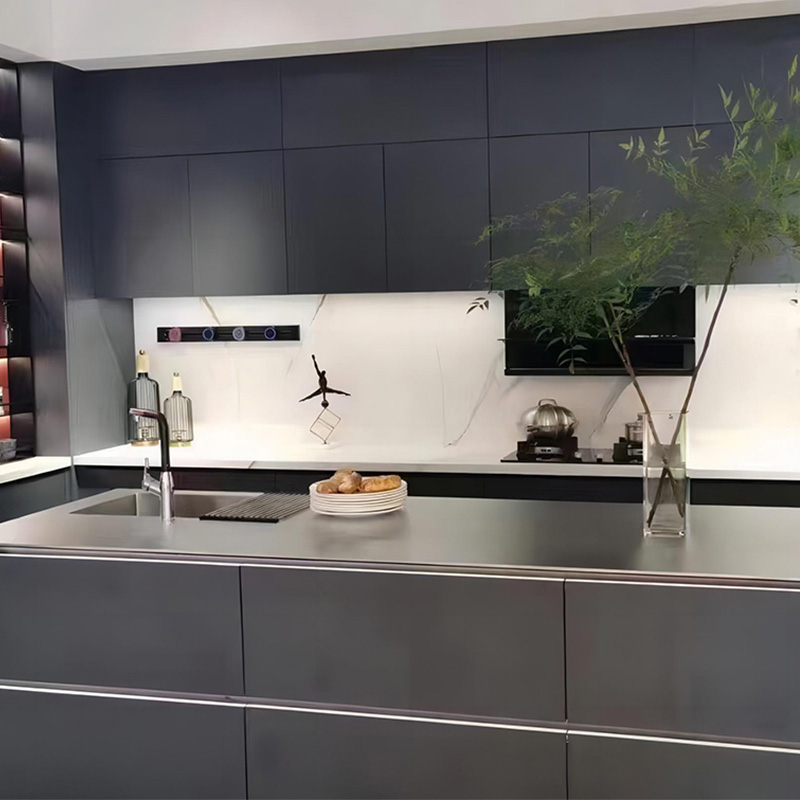
1. Start with Space Planning and Layout Design
Every great kitchen cabinet design begins with spatial analysis. Before selecting colors or finishes, it’s essential to understand how the available space can best serve your lifestyle and workflow. The goal is to create a kitchen that’s efficient, comfortable, and harmonious in proportion.
Measure and Map Your Space
Begin by measuring the kitchen dimensions—length, width, ceiling height, and locations of doors, windows, and structural columns. Also note plumbing and electrical points, as these determine where sinks, appliances, and lighting will go. The accuracy of these measurements directly affects how well your cabinets fit later on.
At JOINT POWER, our design process starts with precise digital modeling. We use advanced layout software to simulate cabinet placement and ensure every stainless steel module aligns perfectly with the architectural plan.
Choose the Right Layout
Common cabinet layouts include:
L-Shaped Kitchen: Ideal for open-plan spaces, offering an efficient work triangle between sink, stove, and refrigerator.
U-Shaped Kitchen: Provides maximum counter space and storage for large families.
Galley Kitchen: Perfect for smaller spaces, featuring parallel cabinetry that maximizes efficiency.
Island Configuration: Adds functionality and aesthetic appeal to open kitchens, allowing for additional storage or seating.
Layout Design Tip: Always leave enough clearance for doors and drawers to open fully. In Stainless Steel Cabinets, this precision is vital for maintaining alignment and smooth operation.
A well-planned layout doesn’t just organize your space—it defines how easily you can move, cook, and clean. JOINT POWER’s stainless steel kitchen cabinets are modular and customizable, ensuring the design adapts perfectly to your kitchen’s size and function.
2. Define Functionality and Storage Requirements
Once the layout is set, it’s time to design around functionality. The best kitchens are designed from the inside out—starting with how you use the space and what you need to store. Cabinets are not just about appearance; they’re about making daily life more efficient.
Assess Your Storage Needs
Consider what items you store most frequently—utensils, spices, cookware, or appliances—and organize cabinets accordingly. Think vertically as well as horizontally:
Base Cabinets: Store heavy pots, pans, and dishware.
Wall Cabinets: Ideal for light items such as glasses or dry goods.
Tall Cabinets: Perfect for pantries or brooms, maximizing height utilization.
At JOINT POWER, our stainless steel cabinets feature adjustable shelving systems, allowing you to modify storage height as needed. The non-porous surfaces make cleaning effortless and ensure hygienic food storage—an advantage especially valuable in humid or high-use kitchens.
Integrate Functional Accessories
Custom designs can include:
Pull-out trays for small appliances.
Corner carousels for easy access to hard-to-reach areas.
Drawer dividers for organized cutlery.
Soft-close hinges and slides for quiet operation.
For stainless steel cabinet systems, these accessories can be seamlessly integrated into the frame. JOINT POWER uses precision-engineered fittings that maintain smooth operation over years of heavy use.
| Functionality Feature | Description | Benefit |
|---|---|---|
| Adjustable Shelves | Height customization for storage flexibility | Accommodates varying container sizes |
| Soft-Close Mechanism | Hydraulic hinges prevent slamming | Noise-free, smooth motion |
| Pull-Out Drawers | Full-extension glides for access | Efficient use of deep spaces |
| Modular Inserts | Dividers for utensils and cutlery | Better organization |
Designing for function ensures your kitchen not only looks professional but also performs with reliability and convenience every day.
3. Select Materials and Finishes That Define Style
Material selection plays a defining role in both aesthetics and durability. Cabinets should withstand daily use, humidity, and heat while maintaining their visual appeal. Your choice of materials will also determine long-term maintenance requirements.
Comparing Popular Cabinet Materials
| Material Type | Durability | Moisture Resistance | Maintenance | Visual Appeal |
|---|---|---|---|---|
| MDF | Moderate | Low | High | Smooth but less durable |
| Plywood | High | Moderate | Medium | Natural wood feel |
| Laminate | Moderate | Moderate | Low | Available in many colors |
| Stainless Steel | Excellent | Excellent | Very Low | Sleek, modern, and hygienic |
Among these, stainless steel is increasingly favored for modern kitchen designs. It offers exceptional resilience against corrosion, moisture, and temperature changes. Unlike wood-based materials that swell or crack, stainless steel maintains structural integrity even after years of use.
At JOINT POWER, our stainless steel kitchen cabinets are made from premium-grade SUS304 and SUS316 steel. Each panel is precisely welded and polished to ensure a smooth surface finish. Customers can choose from different surface treatments:
Brushed finish: matte look with anti-fingerprint properties.
Mirror finish: adds brightness and modern luxury.
Powder coating: offers color flexibility, such as white, grey, or champagne gold.
Balance Function and Aesthetic
A cabinet’s design should complement the overall kitchen theme. Stainless steel, for example, pairs beautifully with stone, quartz, or glass countertops, creating a cohesive and elegant space. If you prefer warmth, combining stainless steel frames with wooden doors can soften the modern look while preserving strength.
Choosing the right material ensures your kitchen remains both timeless and practical—a combination that defines JOINT POWER’s design philosophy.
4. Focus on Ergonomics and User Comfort
Beyond materials and style, a truly well-designed kitchen cabinet system prioritizes ergonomics—the science of making your workspace comfortable and efficient. Proper ergonomic design reduces unnecessary movement, increases accessibility, and enhances workflow.
Determine Optimal Heights
Cabinet heights should correspond to your body height and daily habits. A common standard is:
Base Cabinet Height: 85–90 cm (including countertop).
Wall Cabinet Height: 45–60 cm above the countertop.
Tall Cabinets: Up to ceiling level for maximum storage.
These measurements may be adjusted based on user height and kitchen layout. For example, in a kitchen used by multiple family members, adjustable shelving and drawers improve usability for everyone.
Ease of Access
Ergonomic design also means reducing strain. Features like pull-out drawers, lift-up cabinet doors, and corner storage systems minimize bending and stretching. In JOINT POWER’s stainless steel designs, soft-closing slides and handle-less push mechanisms enhance comfort while maintaining a sleek minimalist look.
Lighting Integration
Good cabinet design includes thoughtful lighting. Under-cabinet LED strips or built-in lights make tasks like cutting and cleaning easier. Stainless steel interiors amplify brightness, reflecting light evenly throughout the space.
Ergonomic Benefits of JOINT POWER Cabinets:
Smooth drawer operation reduces noise and friction.
Optimal counter height promotes comfortable food preparation.
Rust-free surfaces stay cool to touch and easy to clean.
Seamless edges eliminate sharp corners for safety.
Designing with ergonomics in mind ensures that your kitchen not only looks sophisticated but also feels intuitive and comfortable in everyday use.
5. Bring It All Together: Visualization, Installation, and Finishing Touches
Once the planning, material selection, and ergonomic details are finalized, the final stage of cabinet design involves visualization, fabrication, and installation. This step transforms your concept into a tangible, functional kitchen environment.
Visualization and Mock-ups
Professional visualization tools allow you to preview the final design before production. At JOINT POWER, our design team creates detailed 3D renderings of each kitchen layout, helping clients visualize proportions, color balance, and lighting effects. Adjustments can be made digitally, ensuring every cabinet fits precisely once fabricated.
Fabrication Process
For traditional cabinets, fabrication involves cutting, assembling, and finishing wooden panels. However, for stainless steel models, precision manufacturing makes all the difference.
JOINT POWER employs advanced CNC cutting, TIG welding, and polishing techniques to guarantee perfect edges and seamless joints. Each module undergoes surface treatment to enhance corrosion resistance and visual consistency.
Installation and Finishing
Installation begins with aligning the base cabinets, followed by wall-mounted units. Using a laser level ensures straight lines and proper alignment. Stainless steel cabinets are anchored with concealed brackets for a floating, modern appearance.
Final touches—such as installing handles, adjusting doors, and adding silicone seals—complete the transformation. Our engineers conduct multiple quality checks to ensure doors align perfectly and drawers glide smoothly.
| Installation Step | Description | Purpose |
|---|---|---|
| Base Alignment | Leveling and securing lower units | Foundation for upper cabinets |
| Wall Mounting | Anchoring with hidden brackets | Structural stability |
| Hardware Fit | Installing hinges, handles, and tracks | Ensures functionality |
| Surface Cleaning | Final polish and inspection | Delivers flawless presentation |
Post-Installation Maintenance
Stainless steel kitchen cabinets require minimal maintenance. Wiping with a soft cloth and mild detergent keeps them spotless. Unlike wooden cabinets, they resist stains, rust, and deformation—maintaining their elegance over time.
At JOINT POWER, we view installation as the final expression of craftsmanship. From precise measurements to mirror-smooth finishes, our stainless steel cabinets reflect the perfect combination of engineering excellence and modern design.
Conclusion
Designing kitchen cabinets is a multi-layered process that blends creativity, function, and technical precision. Every element—from layout planning to material selection and ergonomic optimization—plays a role in achieving a cohesive, efficient kitchen.
By choosing JOINT POWER stainless steel kitchen cabinets, you’re investing in durability, hygiene, and timeless aesthetics. Our designs go beyond traditional cabinetry, offering a professional-grade solution that stands the test of time. With customizable finishes, modular flexibility, and exceptional craftsmanship, JOINT POWER transforms every kitchen into a space of lasting beauty and superior performance.
Your kitchen deserves more than standard solutions—it deserves the artistry and precision that only true custom design can deliver.