
How To Build Custom Kitchen Cabinets?
Building custom kitchen cabinets allows homeowners and designers to achieve a balance between function, durability, and style. Unlike pre-made models, custom cabinets can be tailored to specific spaces, storage needs, and aesthetics. Whether you’re constructing them from scratch or integrating modular elements, the process requires planning, precision, and material expertise. At JOINT POWER, we specialize in Stainless Steel Kitchen Cabinets that combine custom craftsmanship with modern durability. In this article, we’ll guide you step-by-step through how to build custom kitchen cabinets—from planning and material selection to assembly and finishing.
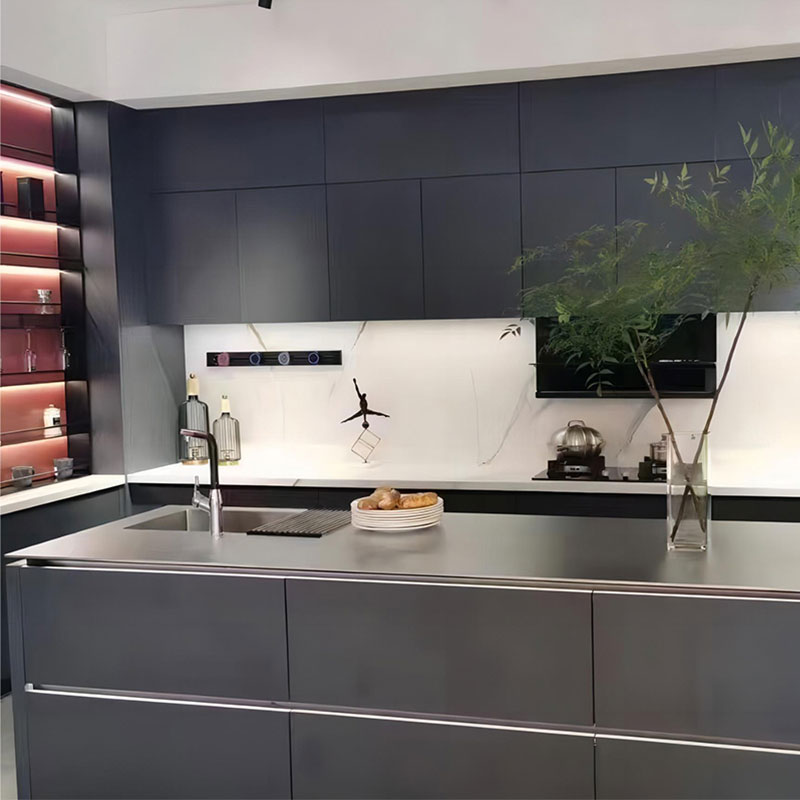
1. Planning the Layout and Design
Every successful custom cabinet project begins with a detailed plan. Before touching any tools, you need to assess your kitchen’s layout, available space, and workflow pattern.
Start by measuring the total wall dimensions, including the height from floor to ceiling, and note the placement of appliances, windows, and plumbing lines. This ensures your design accommodates all existing infrastructure without unnecessary modification.
Professional designers use the “kitchen work triangle” principle, aligning the sink, stove, and refrigerator in a triangular layout for efficiency. When planning cabinet positions, consider how this flow impacts daily cooking and cleaning habits.
Key planning steps include:
Define cabinet types: base, wall-mounted, tall pantry, or island units.
Determine functionality: drawers, open shelving, or pull-out organizers.
Account for clearances: leave at least 2 inches between cabinet edges and appliances.
Visualize symmetry: balanced cabinet fronts create a more cohesive kitchen look.
At JOINT POWER, our design team helps clients plan custom Stainless Steel Cabinetry that integrates seamlessly with modern and industrial kitchens. Because stainless steel structures are modular, they can be built to exact measurements while maintaining clean, continuous lines.
2. Choosing the Right Materials
The choice of materials determines both longevity and appearance. Wood remains a popular traditional option, but modern kitchens increasingly adopt stainless steel for its superior resistance to moisture, fire, and wear.
Common cabinet materials:
| Material | Characteristics | Maintenance Level | Lifespan |
|---|---|---|---|
| Plywood | Strong, lightweight, easy to finish | Moderate | 10–15 years |
| MDF | Smooth and cost-effective but moisture-sensitive | High | 5–10 years |
| Particle Board | Economical but less durable | High | 5 years |
| Stainless Steel | Water-resistant, hygienic, and fireproof | Low | 20+ years |
Why stainless steel stands out:
Unlike wood, stainless steel doesn’t swell, warp, or attract termites. This makes it ideal for kitchens exposed to humidity or temperature variations. JOINT POWER stainless steel kitchen cabinets are manufactured using premium-grade SUS304 or SUS316 materials, offering exceptional corrosion resistance and long-lasting sheen. The surface can also be brushed, polished, or coated in various colors to match your aesthetic preferences.
When building custom cabinets, combining materials—such as stainless steel frames with wooden doors—can create a stylish balance between warmth and durability. The key is to select finishes that complement your home’s overall design theme.
3. Cutting and Constructing the Cabinet Frames
Once your materials are ready, the next step is fabricating the cabinet structure. The frame serves as the backbone of the cabinet, providing strength and alignment for doors, drawers, and countertops.
For wooden cabinets, panels are typically cut from plywood or MDF using a table saw. Precision is critical; even a 1/16-inch deviation can affect fit and alignment. After cutting, the edges should be sanded and sealed to prevent splintering or moisture absorption.
For stainless steel cabinets, panels are laser-cut for high accuracy. At JOINT POWER, we use advanced CNC cutting and TIG welding to ensure tight joints and clean seams. Stainless steel panels are assembled using reinforced corner brackets, and the joints are polished for a seamless appearance. This not only enhances visual appeal but also strengthens the cabinet structure.
Assembly steps for both materials:
Build the base frame first—this determines alignment.
Attach the side panels and back panel securely using screws or rivets.
Install adjustable feet if necessary to level the cabinet on uneven floors.
Reinforce the top support where the countertop will rest.
Whether using wood or stainless steel, make sure every joint is square by checking diagonals. Even a minor tilt can affect door alignment later. Stainless steel cabinets offer an advantage here—the rigid metal ensures perfect squareness and stability over time.
4. Installing Doors, Drawers, and Hardware
Once the cabinet body is assembled, the next focus is functionality—adding doors, drawers, hinges, and handles. This stage determines how smoothly your cabinets will operate and how well they will endure daily use.
Doors:
For traditional wood cabinets, doors are attached with concealed hinges. Make sure the hinge holes are drilled precisely at the same height. Stainless steel cabinets, like those from JOINT POWER, often use soft-close stainless hinges, designed to resist corrosion and maintain smooth motion even after thousands of uses.
Drawers:
Use high-quality drawer slides that allow full extension and smooth gliding. For stainless steel drawers, we recommend ball-bearing mechanisms for durability and weight support. Ensure each drawer aligns flush with the cabinet front.
Handles and Pulls:
Hardware style defines the cabinet’s final look. Sleek brushed-steel handles complement a modern kitchen, while matte black or brass finishes create contrast. JOINT POWER offers multiple handle options designed to integrate seamlessly with our stainless cabinet lines.
Adjustments:
After installation, test each door and drawer for proper fit. Adjust hinge tension or slide screws to correct alignment. The precision here ensures professional results and long-term reliability.
Hardware Tip:
Always choose hardware made from rust-resistant materials, especially if your kitchen experiences high humidity. Stainless steel handles and screws will maintain their finish and strength far longer than coated alternatives.
5. Finishing, Surface Treatment, and Installation
Finishing is the step that gives your cabinets a polished, professional appearance. Depending on your material, finishing can involve sanding, painting, or polishing.
Wood Cabinets:
Apply a primer to seal pores, followed by 2–3 coats of durable paint or lacquer. For natural wood looks, use stain and clear varnish. Let each coat dry thoroughly to avoid uneven texture.
Stainless Steel Cabinets:
At JOINT POWER, we offer several finish options:
Brushed finish for a subtle, matte texture.
Polished mirror finish for a reflective, high-end appearance.
Powder-coated colors for custom aesthetics, such as matte black or champagne gold.
Before installing cabinets on-site, ensure the surfaces are free of fingerprints or welding marks. Stainless steel panels can be wiped with microfiber cloths and neutral cleaners for a pristine finish.
Installation Process:
Mark wall studs to determine secure mounting points.
Start with upper cabinets to avoid damaging the base units.
Use a laser level to ensure alignment across all cabinets.
Secure with heavy-duty screws and test for stability.
For modular stainless systems, cabinets are often assembled off-site and anchored together on-site for a perfect fit. This minimizes installation time and maintains precision.
6. Customization, Maintenance, and Long-Term Value
Custom cabinets are not just about design—they represent an investment in your home’s value, hygiene, and sustainability. A well-built cabinet system can last decades with minimal maintenance.
Customization Options
At JOINT POWER, customization extends beyond size and shape. Clients can choose:
Surface textures: brushed, embossed, or mirror finishes.
Color schemes: metallic tones, matte coatings, or mixed-material combinations.
Smart storage: hidden organizers, soft-close drawers, and integrated lighting.
These options allow homeowners to express individuality while maintaining professional-grade durability.
Maintenance Tips
Stainless steel cabinets are easier to maintain than wooden ones. Simply use a soft cloth with mild detergent to clean surfaces. Avoid abrasive pads, which can scratch the finish. For brushed textures, always wipe in the direction of the grain.
To preserve the shine, apply a stainless steel protector occasionally. In contrast, wood cabinets require periodic refinishing to prevent water stains and warping.
Long-Term Value
Investing in stainless steel cabinets pays off over time. They are:
More hygienic: Non-porous surfaces resist bacteria and mold.
Eco-friendly: 100% recyclable material.
Fire- and water-resistant: Ideal for modern open-concept kitchens.
Homeowners who choose JOINT POWER stainless steel cabinets often report that they maintain their appearance even after years of use, unlike painted or laminated wood models that fade or peel.
Conclusion
Building custom kitchen cabinets combines craftsmanship, technical precision, and design vision. From initial layout planning to final installation, each stage demands careful attention to detail. Whether you’re using wood or modern materials like stainless steel, success depends on alignment, durability, and finish quality.
For those seeking a lasting, modern solution, JOINT POWER’s stainless steel kitchen cabinets offer the perfect blend of form and function. With corrosion-resistant materials, customizable finishes, and modular flexibility, they redefine what “custom” means in contemporary kitchen design.
Choosing the right cabinet is not just about storage—it’s about transforming your kitchen into a space of efficiency, style, and long-term value. With JOINT POWER, your custom kitchen cabinets become more than furniture—they become a reflection of enduring quality and craftsmanship.
Previous: Why Choose Custom Kitchen Cabinets