
How Can Custom Sinks Fit Different Market Needs?
A custom sink sounds like a simple idea at first. Change the size, change the finish, maybe adjust the packaging, and the job is done. In real business, it usually goes deeper than that. Different markets care about different things. Some want a cleaner look for modern kitchens. Some care more about installation convenience. Some focus on durability in rental housing or project supply. Others need a practical balance between price, appearance, and daily use.
That is why custom sink development is not really about making random changes. It is about matching the product to how people actually use kitchens in different markets.
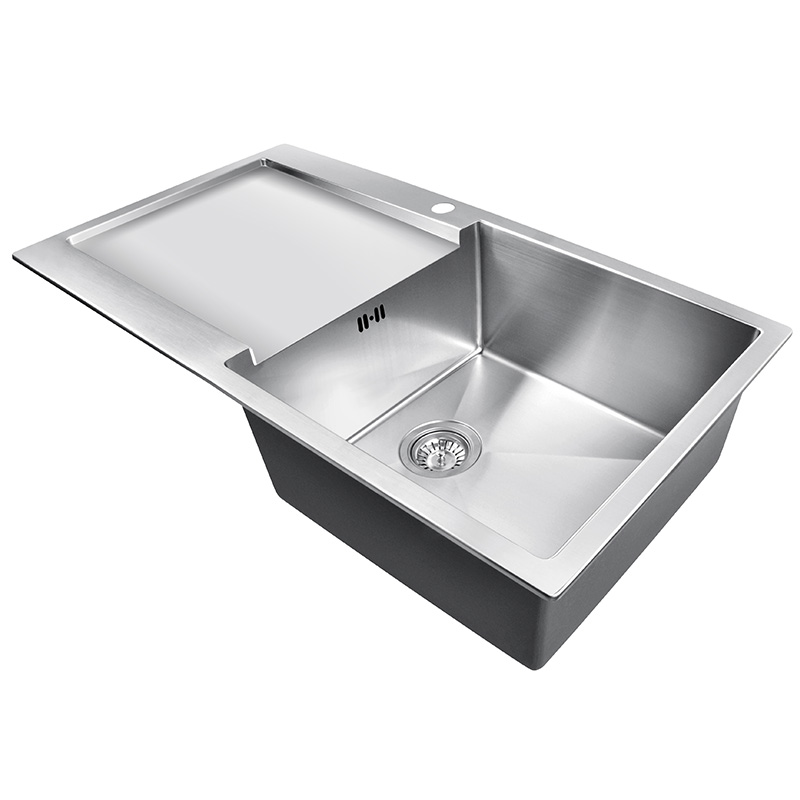
Our single bowl sink with drainer fits this conversation well because this type of sink already solves more than one problem at the same time. It combines washing space with a draining area, which makes it easier to place in kitchens where countertop space matters and daily workflow needs to stay simple.
Start From The Market, Not The Drawing
A common mistake in sink development is starting with factory drawings before understanding the target market. On paper, two sinks may look almost the same. In real projects, they can serve very different customers.
A distributor selling to apartment projects may need a practical size and simple installation. A retailer in a more design-focused market may care more about finish, corner detail, and overall visual balance. A project buyer may focus on repeat consistency, lead time, and how easily the sink fits standard countertop cutouts.
This is why custom work should begin with market use, not with appearance alone. The sink needs to fit the way it will be sold and installed, otherwise even a good-looking design can become difficult to move.
Small Kitchens And Apartment Markets Need Different Priorities
Not every market wants the largest sink possible. In many apartment and compact-home segments, buyers care more about space use than oversized bowl capacity.
A single bowl sink with drainer often works well here because it keeps the structure simple while still adding a functional draining area. For many buyers, that extra section matters. It helps with basic dish drying, temporary storage, and cleaner countertop workflow without needing separate accessories.
This is one reason custom sink development often starts with layout. In small-kitchen markets, every detail matters more. The sink has to do enough, but it also has to leave room for the rest of the kitchen.
Commercial And Residential Buyers Often Think Differently
Residential buyers usually look first at appearance and everyday convenience. Commercial or project buyers often start somewhere else. They want to know whether the product will stay consistent in bulk, whether installation will be efficient, and whether after-sales issues will stay manageable.
That is why some buyers compare residential-style products with what they know from commercial Stainless Steel Sink manufacturers. They are not always buying a fully commercial sink, but they still want that sense of structure, reliability, and repeat-order consistency.
For suppliers, this matters because the same sink may need different selling language depending on the channel. One customer is buying a kitchen feature. Another is buying a project solution.
Customization Works Best When It Solves A Real Problem
In B2B sourcing, customization should have a reason behind it. It should not be change just for the sake of change.
Sometimes the right custom adjustment is size. Sometimes it is bowl depth. Sometimes it is the drainer position, accessory combination, finish style, or packaging setup. In some markets, buyers want a sink that feels easy to install and easy to replace. In others, they want something that looks cleaner and more premium in product photos.
The best custom sink projects usually come from practical questions. What is missing in the current market offer. What makes installation harder than it should be. What causes complaints in existing products. These are the questions that lead to useful customization.
The Drainer Area Changes How The Sink Is Used
A lot of people think the sink bowl is the only part that matters. In actual kitchen use, the drainer area can affect the product just as much.
For some households, it becomes the place for temporary dish placement. For some small kitchens, it reduces the need for extra countertop accessories. For project buyers, it can make the sink easier to position as a practical, space-aware option.
That is why this type of product fits several market needs at once. It is not only a washing sink. It is part of the kitchen workflow. This is also why buyers in apartment, rental, and renovation channels often respond well to sink designs with integrated draining space.
Different Markets Notice Different Quality Problems
Buyers in one region may care a lot about finish consistency. Another market may pay more attention to thickness feel, drainage performance, or coating quality. In some channels, packaging damage is the main issue. In others, poor installation fit creates the real problem.
This is why a supplier should not look at quality in only one way. A sink that passes factory inspection can still fail in the market if it does not meet customer expectations where it matters most.
For example, one buyer may accept a simple package as long as the sink arrives safely. Another may need cleaner retail presentation. One buyer may focus on price first, while another is trying to avoid claims from batch inconsistency. Custom sink work only becomes useful when these differences are understood clearly.
OEM And ODM Should Stay Practical
OEM and ODM can help a lot in sink business, but only when they stay practical.
A buyer may need branding, a packaging adjustment, a size revision, or a finish that better suits the target market. Those are useful changes. They help the product fit a channel more naturally. But when customization becomes too disconnected from real demand, it can slow down sampling and make the project harder to control.
In most successful bulk orders, the changes are focused. The goal is to make the sink easier to sell, easier to install, or easier to fit into an existing product line. That is where custom development actually creates value.
Bulk Orders Depend On Stability More Than Samples
Many sink projects look fine at sample stage. The real test comes later.
Can the same finish be maintained in volume. Can the drainer shape stay consistent. Can the packaging protect the product well enough through shipment. Can the supplier keep the same standard when the next order comes.
For importers, wholesalers, and project buyers, these questions matter more than a perfect first piece. A sink is not bought once in isolation. It usually belongs to a longer supply plan. That is why stable production matters more than a good presentation sample.
Where This Type Of Sink Fits Best
A single bowl sink with drainer fits several channels well. It works for apartment kitchens, renovation projects, rental housing, practical home use, and some light commercial-style environments where simple function matters more than complicated layout.
That wider use makes it easier for buyers to position. It is not a niche product. It can be sold as a space-saving option, a practical daily-use sink, or a clean integrated kitchen solution. For B2B customers, that kind of flexibility usually makes the product easier to reorder and easier to develop into a broader range.
Conclusion
Custom sinks fit different market needs when the design changes are based on real use, not just on appearance. Size, layout, drainer position, finish, packaging, and installation logic all matter, but they only create value when they match the market they are meant for.
Our single bowl sink with drainer is a practical example of how one sink can serve different sales channels when the details are handled well. If you are working on a private label range, a wholesale program, or a project-based kitchen supply plan, you can send us your target market and product requirements. We can help you sort through the key points early and find a direction that is easier to sell and easier to manage in bulk.