
How To Add A Wine Fridge To Cabinet?
Adding a wine fridge to a cabinet sounds simple at first, but the result depends on more than just finding an empty space and sliding the unit in. Buyers, designers, and project teams usually care about the same few things: clean installation, enough ventilation, stable cooling performance, and a finished look that still feels high-end after years of use. That is why more people now prefer a cabinet system that is planned around the wine fridge from the beginning instead of trying to force a standard appliance into a space that was never built for it.
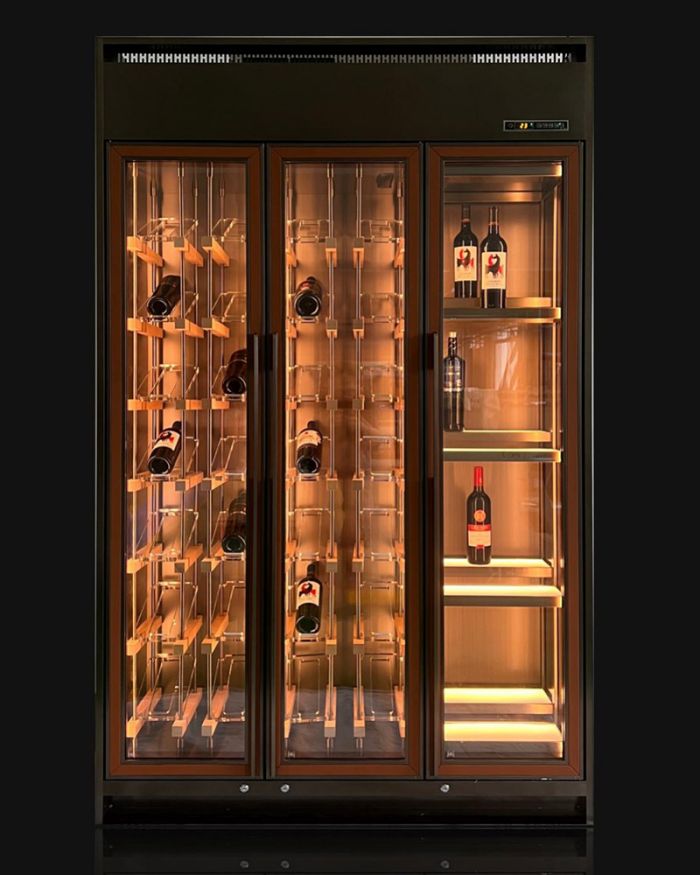
A well-designed cabinet and wine cooling setup should look integrated, not patched together. It should also make daily use easy. In homes, that means easy bottle access and a neat bar area. In hospitality and commercial settings, it means a more professional display, smoother service flow, and fewer maintenance problems later. This is also why Stainless Steel Wine Cabinets are getting more attention from importers, project buyers, and private label brands. They give a cleaner structure, stronger durability, and a more controlled finish than many traditional wood-based solutions.
Why Planning Comes Before Installation
The most common mistake is treating the wine fridge as the last step. In reality, the fridge should be one of the first things considered. Size, cooling type, door swing, ventilation path, cabinet depth, and power access all affect the final layout. If one of these is ignored, the cabinet may look fine on the outside but perform poorly in real use.
This matters even more in supply projects. A buyer may like the appearance of a cabinet sample, but if the inner structure is not matched to the fridge, installation on site becomes slow and unpredictable. That often leads to changes during the project, delayed delivery, or customer complaints after installation. For that reason, a cabinet made around the cooling unit is usually a safer choice than modifying a standard cabinet later.
Choose The Right Cabinet Structure
If the goal is to add a wine fridge properly, the cabinet must be able to support both the fridge and the surrounding environment. Heat management is one of the biggest concerns. A wine fridge needs room to work efficiently, especially in built-in applications. If the cabinet traps heat, cooling performance drops and the unit has to work harder. Over time, that can affect energy use, service life, and temperature stability.
The outer cabinet should also match the setting. In higher-end kitchens, bar spaces, clubs, hotels, and custom residential projects, buyers usually want a cabinet that feels solid and refined. Stainless steel fits this need well because it handles moisture better, keeps a cleaner appearance, and works with modern finishes more naturally. It also gives suppliers more flexibility for OEM and ODM development, including finish changes, size adjustment, shelving layout, glass combinations, and branding details.
This is where a finished bar cabinet with wine fridge solution becomes more valuable than a simple appliance order. Buyers are no longer purchasing only refrigeration. They are purchasing appearance, storage, display value, and a more complete cabinet system.
What To Check Before Fitting A Wine Fridge Into A Cabinet
The first thing to check is whether the fridge is built for built-in use or freestanding use. This point changes the whole cabinet design. A freestanding unit often needs more open space around it. A built-in unit is made for tighter integration, but it still needs the right clearances. If this step is missed, the installation may look flush but the cooling system may struggle later.
The second point is cabinet size. Width, depth, and height should not only match the appliance body. There also needs to be room for air flow, wiring, and door movement. A fridge door that cannot fully open will affect bottle access and cleaning. In real projects, this is a common problem because people measure the body but forget the space needed for use.
The third point is load-bearing and material quality. A wine cabinet usually carries not only the appliance but also bottles, shelving, door panels, and decorative elements. If the cabinet structure is weak, the finished product may shift over time or lose its premium look. This is one reason many buyers move away from lighter decorative solutions and prefer stronger cabinet materials for long-term supply.
Why Stainless Steel Works Better In This Category
For wine cabinet projects, stainless steel brings a very practical advantage. It looks premium, but it is also easier to manage in real use. It resists daily wear better, keeps edges and surfaces cleaner, and suits both residential and commercial environments. For project buyers, it also helps with consistency. When orders are repeated, stainless steel fabrication is usually easier to standardize than many decorative cabinet materials that vary from batch to batch.
Our product direction follows that logic. A large stainless steel wine cabinet is not only made to store bottles at a stable temperature. It is also built to give the cabinet area a more finished and integrated look. When a wine fridge is combined with a cabinet body in the right way, the result feels more like part of the interior instead of an appliance added later.
For buyers working on OEM or ODM programs, this matters a lot. Markets often ask for different dimensions, shelf layouts, finish tones, door styles, and packaging standards. Some customers need a cabinet for a home bar program. Some need a display-focused cabinet for hotels or restaurants. Some want private label support with a cleaner visual identity. A supplier that understands cabinet structure as well as cooling integration can make these changes much more smoothly.
Common Pain Points For Buyers
Many sourcing problems do not show up in the sample stage. They appear after bulk production or during installation. One issue is poor coordination between cabinet dimensions and appliance dimensions. Another is surface inconsistency, especially when the cabinet is meant to be part of a premium interior space. Buyers also worry about whether replacement parts, technical communication, and customization can be handled quickly if a project schedule changes.
That is why many buyers now look for a supplier instead of only a product. They want someone who can discuss structure, finish, cooling layout, and customization together. A ready-made bar cabinet with wine fridge program is often easier to manage than purchasing separate parts from different vendors and hoping everything fits together at the end.
How To Make The Final Result Look Better
A good installation should feel intentional. The cabinet should frame the wine fridge neatly. The finish should match the surrounding interior. The lighting, shelf layout, and door details should support the use of the space rather than fight against it. If the project is aimed at a premium market, these details matter as much as the cooling unit itself.
This is also why custom development is often worth discussing early. A few changes in proportions, finish, glass, internal layout, or branding can make the product fit a target market much better. For distributors, wholesalers, and project buyers, this creates more product value and fewer compromises later.
Conclusion
If you want to add a wine fridge to a cabinet properly, the best approach is to plan the cabinet around the fridge instead of treating the fridge as an afterthought. The right structure, enough ventilation, durable materials, and a clean built-in look all make a big difference. For buyers who want a more stable supply option, a Stainless Steel Cabinet system is often the better route because it gives a stronger finish, better consistency, and more room for OEM and ODM customization.
If you are working on a wine storage project and are not sure about size, layout, finish, or built-in details, contact us with your ideas. We can help you review the cabinet plan, suggest a suitable solution, and support your project with practical guidance from sampling to production.
Previous: