
Should I Get A Sink With A Drainer?
If you are asking should I get a sink with a drainer, the short answer is yes for many kitchens, especially when countertop space needs to work harder. A drainer is not just an extra panel beside the bowl. In daily use, it becomes a practical transition area between washing and putting things away. That means fewer water drops on the counter, less mess during meal prep, and a smoother routine for rinsing vegetables, washing cookware, or leaving dishes to dry for a short time.
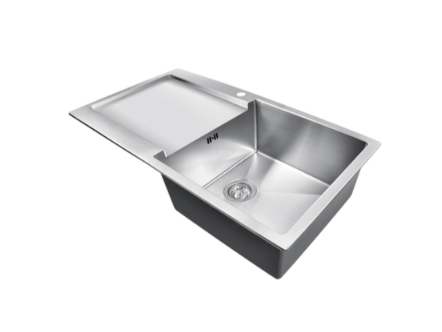
This is why the question matters far beyond home renovation. For distributors, contractors, kitchen project buyers, and private label brands, sink layout directly affects how easy the product is to sell. End users often compare size first, but after installation they care more about workflow. A sink that looks compact yet handles washing and draining in one area often creates better long-term satisfaction. That is exactly where a Kitchen Sink Single Bowl With Drainer makes sense. It combines the open washing space of a single bowl with the convenience of an integrated draining surface, which is especially useful in apartments, family kitchens, and upgrade projects.
Why A Drainer Still Makes Sense In Modern Kitchens
Some people think a drainer is old-fashioned because many kitchens now use separate racks or dishwashers. But in real life, plenty of kitchens still need a place for quick draining. A glass gets rinsed. Vegetables are washed. A pan needs to sit for a minute before it is dried. When there is no drainer, these wet tasks often move onto the countertop, and that is where clutter starts.
A built-in drainer solves that in a very direct way. Instead of treating washing and draining as two separate zones, it keeps them connected. That simple change often improves the user experience more than buyers expect. It also helps reduce the need for extra countertop accessories, which is a real advantage in smaller kitchens where every bit of space matters.
Why A Single Bowl With Drainer Is A Practical Balance
A single bowl gives users more uninterrupted room for larger pots, mixing bowls, trays, and cooking tools. That is one reason many buyers still prefer it over divided bowls. But a plain single bowl can leave people wondering where to place wet items after rinsing. The drainer solves that without taking away the wide, usable sink area.
This balance is what makes the design commercially strong. It does not force users to choose between washing space and draining space. It gives both in one unit. For project buyers, that makes the product easier to position. For wholesalers, it creates a more practical selling point. For OEM and ODM customers, it offers a sink type that is easy to adapt to different kitchen habits and market preferences.
Why Integrated Design Matters More Than It Looks
A drainer works best when it feels like part of the sink, not an add-on that interrupts cleaning. An integrated structure usually makes the whole sink easier to rinse down because there are fewer awkward transition points where dirt and water can collect. That matters in everyday use because the sink is one of the hardest-working areas in the kitchen.
Our product is designed around that kind of integrated workflow. The bowl and drainer area connect as one continuous structure, so washing, draining, and short-term placement happen in the same working zone. For end users, that feels simpler. For B-end buyers, it means the product has a clearer application story. Instead of selling a sink and hoping people understand the benefit, you are offering a more complete kitchen-use solution.
Why Drainage Performance Affects Real Satisfaction
A drainer only adds value if it can guide water back toward the sink area instead of letting it sit on the surface. If water stays too long, the drainer becomes more decorative than functional. That is why slope and surface design matter. A good drainer should support natural water return and help keep the counter area drier without asking the user to wipe it down constantly.
This is one of those details that buyers often overlook during sourcing. A sink may look similar from product photos, but daily use quickly reveals whether it was designed with practical drainage in mind. For importers and distributors, this matters because products that perform better in small details usually bring fewer complaints after installation.
Why This Type Of Sink Works Well In Apartments And Renovations
A sink with a drainer is often a stronger choice for apartments, small kitchens, and kitchen upgrades because it helps combine several tasks in one area. In many apartment layouts, there is not much extra counter space for racks and trays. A drainer helps solve that without making the sink setup feel complicated.
This is also why the product works well in renovation projects. Buyers often need something that improves kitchen function without requiring a dramatic layout change. A topmount style with a drainer can be easier to fit into practical upgrade plans because it gives visible improvement in use while staying straightforward in installation planning. For contractors and project suppliers, that combination is valuable because it makes product recommendations easier.
Why Material And Surface Finish Still Matter
A kitchen sink is not judged only by shape. The material and finish influence how well the product holds up over time, how easy it is to clean, and whether it continues to look acceptable after repeated use. A sink with a drainer especially needs a surface that can handle regular water exposure without becoming difficult to maintain.
When buyers evaluate a sink program, they are not only looking at the unit cost. They are thinking about after-sales pressure, long-term appearance, and whether the sink will still feel like a good choice after months of use. That is why a more thoughtfully made sink often becomes easier to sell than a cheaper option that creates more complaints later.
Why OEM And ODM Matter In Sink Sourcing
For many buyers, the sink itself is only part of the conversation. The rest is about fit for market. Some customers want size adjustments. Some need a different finish direction. Some want custom packaging or private label support. Others need a consistent sink range for developer projects, retail programs, or regional distribution.
That is why OEM and ODM support matter so much in this category. A supplier relationship gives buyers more room to shape the product around actual demand instead of choosing whatever standard item is easiest to find. In a competitive market, that flexibility can make the difference between a sink that blends in and one that supports better long-term sales.
Why A Drainer Helps Reduce Small Daily Frustrations
One of the biggest strengths of a sink with a drainer is that it solves small problems before they become annoying habits. Water dripping onto the counter, washed produce with nowhere to rest, cups waiting to dry, or utensils left on a towel all add clutter to a kitchen. None of these issues sounds major on its own, but together they shape how useful the kitchen feels every day.
That is why this type of sink often performs better than expected in real homes. It is not about adding complexity. It is about making routine work more natural. Buyers who understand that tend to see the drainer not as an extra feature, but as a functional part of the overall sink layout.
Conclusion
So, should you get a sink with a drainer? For many kitchens, yes. It gives more organized daily use, helps keep the counter drier, and creates a more complete wash-and-drain workflow without relying on extra accessories. That is especially true when the sink also keeps the bowl open and practical for larger washing tasks.
A Kitchen Sink Single Bowl With Drainer is a smart option for buyers who want a balance between usable bowl space and everyday convenience. If you are sourcing for wholesale, project supply, or OEM and ODM development, feel free to contact us with your size, finish, or market requirements. We can help you review the right sink direction and support a solution that fits your business more naturally.
Previous: How To Make A Shower Niche?