
How To Install A Farmhouse Sink?
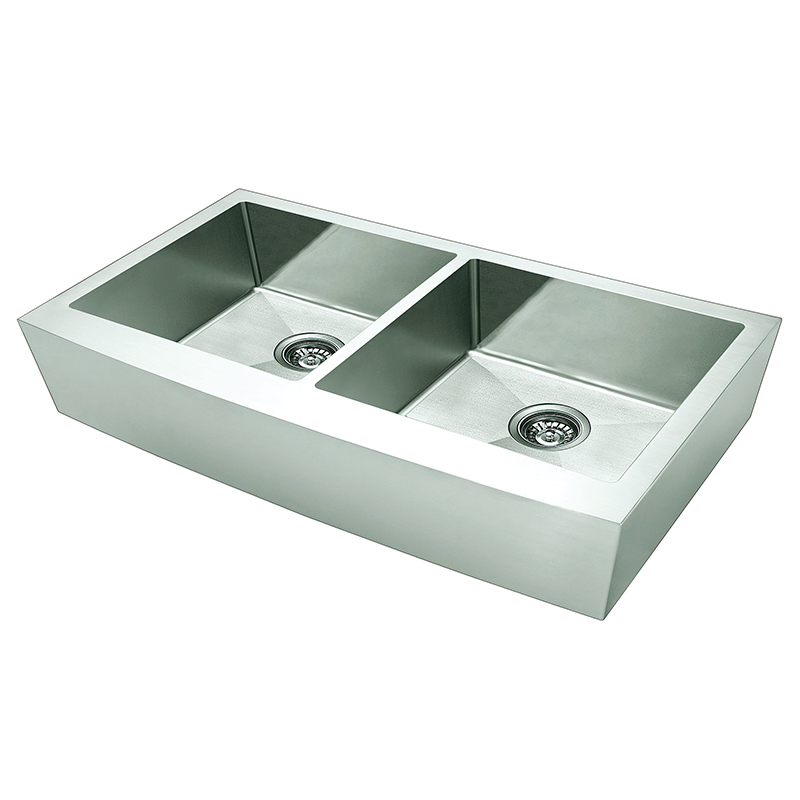
Installing a Farmhouse Sink is not just a matter of dropping a sink into a countertop cutout. A farmhouse sink has a visible front apron, more forward weight, and a deeper bowl design, so the cabinet, countertop opening, and support structure all need to work together. That is why installation planning matters as much as the sink itself. A Farmhouse Double Kitchen Sink fits this topic naturally because its double-bowl layout, apron-front structure, and stainless steel body all affect how the sink should be positioned and supported during installation.
Understanding What Makes Farmhouse Sink Installation Different
A standard topmount or Undermount Sink is usually supported in familiar ways, but a farmhouse sink changes the installation logic. The front apron remains exposed, which means the cabinet front often needs to be modified. The sink also tends to sit lower and project differently than common bowl designs, so the countertop cutout cannot simply follow a regular sink template. On a double-bowl model, alignment becomes more important because the sink needs to look balanced from the front while still connecting cleanly to the plumbing underneath.
For project buyers, contractors, and cabinet suppliers, this is where many problems begin. If the installer only focuses on overall sink size and ignores apron exposure, bowl depth, or support load, the final fit can look uneven or create unnecessary rework. That is one reason farmhouse sinks are often chosen for their visual appeal but judged later by how well they were installed.
Start With Accurate Cabinet And Sink Measurements
Before installation begins, the cabinet opening has to match the sink correctly. A Farmhouse Double Kitchen Sink usually comes with a larger footprint and deeper bowl compared to standard sinks, which means the cabinet must be measured carefully before any cutting starts. If the cabinet is too narrow, the sink will not sit properly. If the opening is too loose, the front apron may look unsupported or misaligned.
This step sounds basic, but it is one of the most common failure points in real projects. A farmhouse sink is much less forgiving than a standard sink because the front face is always visible. Even a small measurement error can affect the final appearance. For B2B buyers, this matters because installation issues often become after-sales issues, especially in renovation projects, hospitality jobs, or bulk cabinet programs where consistency is expected across many units.
Build Proper Structural Support Before Setting The Sink
A farmhouse sink should never rely only on the countertop edge for support. Because of its deeper profile and forward-facing apron, it needs a stable support frame inside the cabinet. In most installations, that means using reinforced side supports, a bottom cradle, or a custom bracket system that can hold the sink body securely before the countertop is installed or finished around it.
This is especially important with a double-bowl sink. The two-basin structure gives better workflow in daily use, but it also means the sink body is larger and needs even support across its full length. If the base support is weak, the sink can settle unevenly over time, which may affect the seal line, the drainage angle, or the visual level of the front apron.
Cut The Cabinet Front And Countertop Carefully
Once the support frame is ready, the cabinet front usually needs to be cut to expose the apron. This part should be done slowly and precisely, because the visible front edge is what gives a farmhouse sink its finished look. The opening must follow the sink dimensions closely enough to look clean, but it also needs enough tolerance for placement, sealing, and final adjustment.
The countertop cutout should then be matched to the sink layout. This is where installers need to decide whether they want a tighter reveal or a slightly more open edge, depending on the material and project style. A rushed cut may leave gaps or force uneven sealant lines.
Set The Sink Level Before Plumbing Begins
After the sink is placed on its support structure, the next priority is level adjustment. The front apron should sit straight, and both bowls should remain balanced from left to right. With a double-bowl farmhouse sink, this matters even more because uneven placement is easier to notice visually and can also affect drainage performance.
If the sink is not level, water may sit unevenly in one basin or create a poor draining experience that users notice immediately. That is why leveling should always be checked carefully before moving to the next step.
Seal The Edges And Connect The Drainage System
Once the sink is fixed in position, the edges should be sealed neatly where the sink meets the countertop or surrounding surfaces. The goal is not only appearance. A clean seal helps reduce water entry into hidden joints and supports easier maintenance over time.
After sealing, the plumbing can be connected. For a double-bowl farmhouse sink, installers need to make sure both drains are aligned properly and that the waste system beneath the cabinet allows enough space for the deeper bowl structure. Proper alignment at this stage helps avoid slow drainage or long-term usage issues.
Why Material And Surface Finish Matter During Installation
Installation is not only about structure. Material quality also affects the result. Stainless steel is widely used because it offers corrosion resistance and performs well in environments with constant water exposure. It is also easier to maintain compared to many other materials.
The surface finish also plays a role. A satin finish tends to reduce visible water marks and fingerprints, which helps the sink look cleaner after installation. For contractors and developers, this reduces the need for extra cleaning before project handover.
What Buyers And Installers Usually Care About Most
In real purchasing decisions, buyers are not only asking how to install a farmhouse sink. They are also asking whether the sink will install smoothly across multiple kitchens, whether it reduces callback risk, and whether it fits the expectations of their target market.
A farmhouse sink is often chosen because it creates a strong visual feature in the kitchen, but the installation must support that choice with a clean and stable result. Details such as structure, durability, and ease of installation all play a role in how the product performs after delivery.
Conclusion
So, how to install a farmhouse sink? The process includes confirming cabinet dimensions, building strong internal support, cutting the cabinet front and countertop accurately, leveling the sink carefully, and completing proper sealing and plumbing connection.
It is not a complicated process, but it does require careful planning. If you are selecting farmhouse sinks for your projects or product line and want to ensure a smoother installation and better long-term performance, feel free to reach out. We can help you evaluate the right options based on your actual use scenarios and market needs.
Previous:
Next: What Is A Utility Sink?