
What Is A Utility Sink?
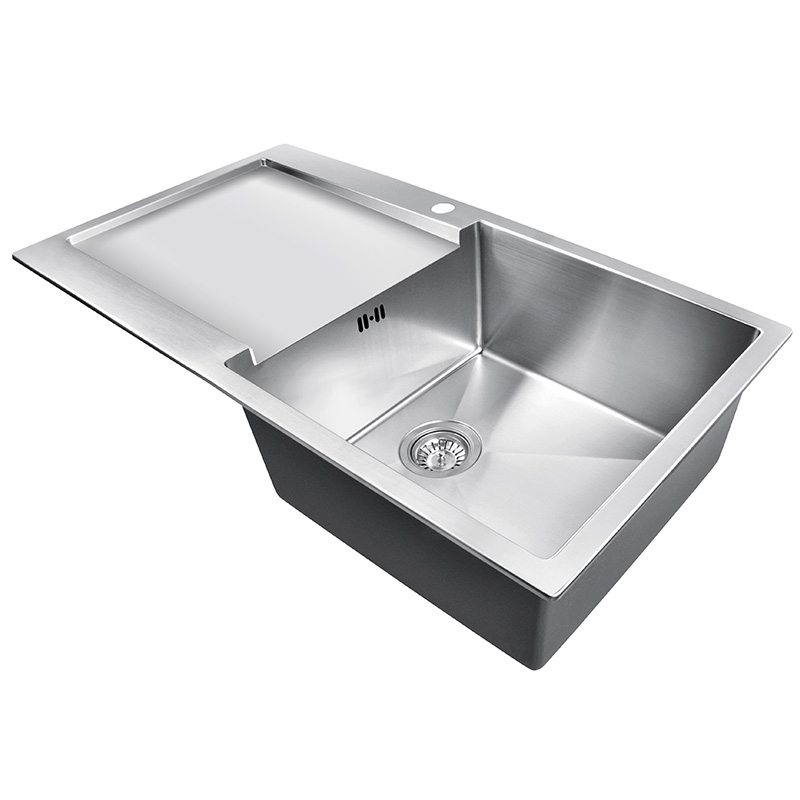
A utility sink is a practical, work-focused sink made for tasks that go beyond normal food prep or hand washing. People use it for rinsing tools, cleaning heavy cookware, washing mops, handling messy jobs, or managing overflow work in kitchens, laundry rooms, workshops, and service areas. That is why the topic also connects naturally to a kitchen sink single bowl with drainer. While a true utility sink is often placed in a back-of-house or service setting, a well-designed single bowl sink with drainer can bring some of that same everyday practicality into kitchens that need efficient washing space, easy drainage, and better workflow.
Understanding The Real Purpose Of A Utility Sink
A utility sink is built around function first. It is usually deeper, easier to clean, and better suited to wet, repetitive, and sometimes rougher tasks than a decorative sink. The point is not just to hold water. The point is to handle work that creates more mess, needs more room, or puts more demand on the sink area.
In many projects, buyers search for utility sink when they are really trying to solve a broader problem. They need a sink that can support daily washing, temporary draining, and practical countertop use without wasting space. That is where product selection starts to shift. In some cases, a traditional utility sink is the right answer. In others, a Single Bowl Kitchen Sink With Drainer is the better fit because it gives a cleaner appearance while still supporting a more functional workflow.
What Makes A Sink Feel Like A Utility Sink
The first feature is working capacity. A utility sink needs enough bowl depth and usable volume to handle larger or heavier washing tasks. This kind of sink uses a deeper bowl area that makes it easier to rinse cookware, wash produce, handle water-heavy cleanup, or manage tasks that need more vertical space. That matters in daily use far more than many buyers expect, especially in kitchens where one sink often has to handle several types of work.
The second feature is easy cleanup. A utility sink should not create extra maintenance. Small-radius inner corners help reduce dead space where residue collects while still keeping useful bowl capacity. That matters in real use, especially in kitchens where speed and repeat cleaning are important. A sink that is harder to wipe down quickly often becomes less practical over time, even if it looks good at first.
The third feature is workflow support. A lot of buyers overlook this. A sink becomes more useful when it also helps with draining and temporary holding. A built-in drainer allows water to flow back into the main bowl instead of sitting on the surface. That gives the sink a more utility-style function without making it look industrial or overly bulky.
Utility Sink Versus Kitchen Sink
A utility sink and a kitchen sink are not always the same thing, but the line between them is not as strict as many buyers expect.
A classic utility sink is often larger, simpler, and more obviously task-oriented. It is common in laundry rooms, garages, staff areas, or workshops. A kitchen sink is expected to look better in finished spaces and usually has to balance function with appearance.
But in modern sourcing, many buyers are not choosing between two completely separate categories. They are looking for a sink that can handle demanding daily use while still fitting a kitchen layout. That is why a Single Bowl Kitchen Sink With Drainer can be a smart direction. It keeps the practical value people associate with a utility sink, but it works better in apartments, family kitchens, renovation projects, and compact commercial settings.
Why Stainless Steel Matters In This Category
Material choice affects performance more than style here. Stainless steel remains one of the most practical options because it is durable, easy to maintain, and well suited to wet environments. It also works across different project types, from residential kitchens to rental units and renovation jobs.
A Stainless Steel Sink made with a one-piece structure creates a cleaner connection between the bowl and the drainer. That helps reduce difficult cleaning areas and also improves overall structural stability. For buyers, that is important because sink problems usually show up later through deformation, noise, poor drainage, or difficult maintenance. A sink that performs well in everyday use is usually more valuable than one that only looks appealing in a product image.
Why Buyers Often Look For Utility-Sink Performance
In B2B sourcing, the word utility often signals a functional requirement rather than a fixed product type. Buyers may need a sink for apartment projects, staff kitchens, rental properties, renovation supply, or practical family-use layouts. Their real concern is usually the same. The sink must be durable, easy to install, easy to clean, and useful in daily work.
This is where a product like a kitchen sink single bowl with drainer becomes easier to position. It combines washing space with draining space, helping users manage daily tasks more smoothly. Details such as overflow design, anti-condensation treatment, and noise reduction also matter because they affect installation convenience, long-term user experience, and after-sales complaints. Buyers often care more about these practical points than decorative styling alone.
Where This Type Of Sink Fits Best
A traditional utility sink may still be the better choice for garages, janitorial rooms, or workshops. But in many kitchens, especially where space is limited, people want the usefulness of a utility sink without the rougher look.
That is why this type of sink works well in compact kitchens that need washing and draining in one place. It also suits apartment layouts where countertop space is limited, as well as renovation projects that need practical upgrades without overcomplicating installation.
The integrated design helps keep the work area more organized, and the drainer reduces the need for separate drying accessories on the counter. For many buyers, that makes it more commercially useful than a basic single bowl alone.
Choosing The Right Sink For Practical Use
If the goal is heavy-duty back-room cleaning, a classic utility sink may still be the better route. But if the goal is to bring utility-style function into a finished kitchen, a stainless steel single bowl sink with drainer is often the more balanced option.
It gives usable bowl depth, easier drainage, cleaner lines, and a more integrated look. For distributors, project buyers, and renovation suppliers, that makes it easier to sell across multiple use cases instead of limiting the product to one narrow category.
Conclusion
So, what is a utility sink? It is a sink designed for practical, demanding, everyday work. But in many real projects, buyers do not just need a utility sink in the traditional sense. They need a sink that delivers utility, durability, and better workflow in a cleaner, more adaptable format.
A Stainless Steel Kitchen Sink single bowl with drainer can answer that need very well, especially for kitchens, apartments, and renovation jobs that need more function without losing a finished look. If you have questions about sink selection, product matching, or project use, feel free to contact us. We can provide practical guidance to help you choose a more suitable solution for your market.