
How To Install Corner Shelf in Tiled Shower?
Installing a corner shelf in a tiled shower sounds simple, but the real issue is not just fixing a shelf to the wall. It is making sure the storage solution looks clean, stays secure, and does not create long-term waterproofing problems. That is why many buyers, contractors, and project teams now compare a traditional corner shelf with a recessed option before making a final decision. A corner shelf can work well in some bathrooms, but a Stainless Steel Recessed Shower Niche often gives a neater result, saves usable shower space, and creates built-in storage without adding projection into the wet area. The product line here is designed exactly for that purpose, using stainless steel construction for durability and corrosion resistance in humid environments.
Why Corner Shelf Installation Needs More Planning
A tiled shower is already a finished waterproof assembly. Once tile is installed, every drilling point or adhesive choice matters. If the shelf is mounted poorly, the problem is not only appearance. It can also affect stability, drainage, cleaning, and wall protection over time. This is one reason corner shelf installation is often approached more carefully in hotels, apartments, and renovation projects than in simple home upgrades.
In many practical cases, installers are choosing between two paths. One is adding a surface-mounted corner shelf onto finished tile. The other is planning a recessed niche during construction or full remodeling. A corner shelf is usually quicker for retrofit work, while a recessed shower niche is often the cleaner choice for new construction and full bathroom renovation because it keeps bottles and shower items inside the wall line instead of pushing them outward. The recessed niche product in this category is intended for exactly that kind of built-in storage use.
How To Install A Corner Shelf In A Tiled Shower
The first step is choosing the right location. A corner shelf should be placed where it is easy to reach during shower use but not positioned where it will interfere with movement. In practical shower layouts, that usually means avoiding shoulder-height traffic zones and keeping the shelf away from direct elbow contact. The height also needs to match what the end user will actually store. Shampoo bottles, soap dispensers, and personal care products all need enough vertical clearance.
The second step is checking the tile condition and wall structure. On an existing tiled wall, the installer has to confirm that the tile is sound, flat, and well bonded. Loose tiles or weak grout joints are a bad base for a shelf. If the installation method uses screws or anchors, drilling has to be done carefully to avoid cracking the tile. If the installation method uses adhesive, the surface must be clean, dry, and suitable for bonding in a wet environment.
The third step is deciding between drilling and adhesive fixing. Drilling can offer a stronger mechanical hold, but it also creates more risk if the waterproof layer behind the tile is damaged. Adhesive installation avoids drilling, but product selection becomes critical because not all adhesives hold well in constant moisture. In real projects, this choice usually depends on the shelf material, the load requirement, and whether the bathroom is a quick retrofit or part of a full renovation.
After positioning and fixing the shelf, sealing becomes important. Any joint line between the shelf and the tiled wall needs proper waterproof treatment where required. This helps reduce water entry behind the fixture and also creates a cleaner finished look. The final step is checking the slope and drainage behavior. A shelf that traps water will require more maintenance and may look dirty faster, especially in commercial or high-use bathrooms.
The Main Problem With Traditional Corner Shelves
The challenge with many corner shelves is that they solve storage in a visible way, but not always in the cleanest way. They project into the shower area, can interrupt the tile pattern, and may collect water more easily depending on their form. In hospitality and higher-end residential projects, this matters more than many buyers first expect. The shelf becomes part of the visual line of the shower, not just a functional accessory.
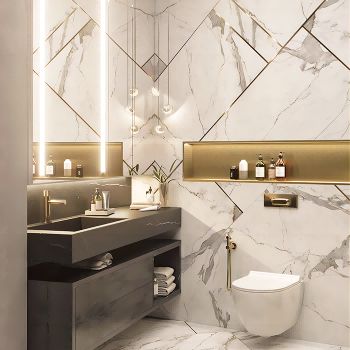
This is also where a stainless steel recessed shower niche starts to make more sense. Instead of attaching a shelf onto finished tile, the storage is integrated into the wall itself. That changes both the appearance and the user experience. The shower zone feels less crowded, the design looks more intentional, and daily-use items stay organized in a built-in compartment rather than sitting on an added corner fitting. The product is described as a refined storage solution for shower enclosures and is built from stainless steel to stay stable and corrosion resistant in wet conditions.
When A Recessed Shower Niche Is A Better Choice
If the bathroom is being renovated from the wall substrate stage, a recessed niche is usually the more professional route. It gives the project team more control over placement, finish coordination, and long-term waterproof detailing. It also works better when the goal is a modern, uncluttered shower look.
For B2B buyers, this is not only a design issue. It affects product positioning and installation efficiency. Contractors want products that fit project standards and reduce callback risk. Importers and distributors want products that are easier to sell into hotel, apartment, and premium residential channels. Designers want solutions that look built-in instead of added later. A recessed Stainless Steel Niche fits those expectations better than many surface-mounted shelves because it combines storage with a cleaner wall finish. The product line also emphasizes space-saving design, durability, and use in residential bathrooms, luxury hotels, spas, and fitness facilities, which makes it easier to align with project-based sourcing needs.
What Installers And Buyers Usually Care About
For installers, the biggest concern is waterproof integrity. A shower storage product has to work with the wall system, not against it. Anything that feels fast to install but creates sealing issues later becomes expensive. For buyers, the concern is broader. They need something durable, easy to maintain, visually clean, and suitable for their target market.
This is why stainless steel remains a strong material direction in shower storage. It offers corrosion resistance, easier cleaning, and a more modern finish. In project supply, that matters because wet-area products are judged over time, not just on delivery day. A niche or shelf that looks good at first but stains, rusts, or feels unstable later creates obvious problems for both supplier and installer. The niche product here is positioned around that durability advantage, with stainless steel construction aimed at humid bathroom use.
How To Decide Between A Corner Shelf And A Niche
If the shower is already finished and the goal is a quick storage upgrade, a corner shelf may still be the practical answer. It can usually be added faster and with less wall reconstruction. But if the project is still in build stage or undergoing full renovation, a recessed niche is often the better long-term solution.
The difference is simple. A corner shelf adds storage onto the shower wall. A recessed niche builds storage into the shower wall. For budget retrofit work, surface mounting may be enough. For cleaner design, better space use, and stronger project appeal, a recessed stainless steel niche is often the more suitable choice.
Conclusion
So, how to install corner shelf in tiled shower? The basic process involves choosing the right location, preparing the tiled surface, selecting a suitable fixing method, sealing carefully, and checking the finished result for stability and drainage. That works for many retrofit situations. But in projects where appearance, durability, and long-term waterproof confidence matter more, a recessed storage option is often the smarter choice.
If you are comparing shower storage solutions for residential, hospitality, or project supply, it is worth looking beyond the basic corner shelf and considering whether a stainless steel recessed shower niche would fit the space better. If you need help selecting the right style or discussing product direction for your market, feel free to contact us. We can help you evaluate the options more clearly and support your project planning.
Previous: What Is A Utility Sink?