
how to build a built in bookcase
A built in bookcase can change the whole feeling of a room. It adds storage, improves wall use, and makes the space look more complete than a freestanding shelf usually can. When done well, it does more than hold books. It becomes part of the interior design, helps organize daily items, and gives the room a cleaner and more intentional look.
The reason built in bookcases remain popular is simple. They make use of vertical space, fit awkward wall areas more effectively, and create a more finished result in living rooms, studies, offices, and display spaces. In modern interiors, many buyers also want a bookcase to do more than basic storage. They want it to display books, artwork, decorative objects, and collections in a way that feels structured and visually balanced.
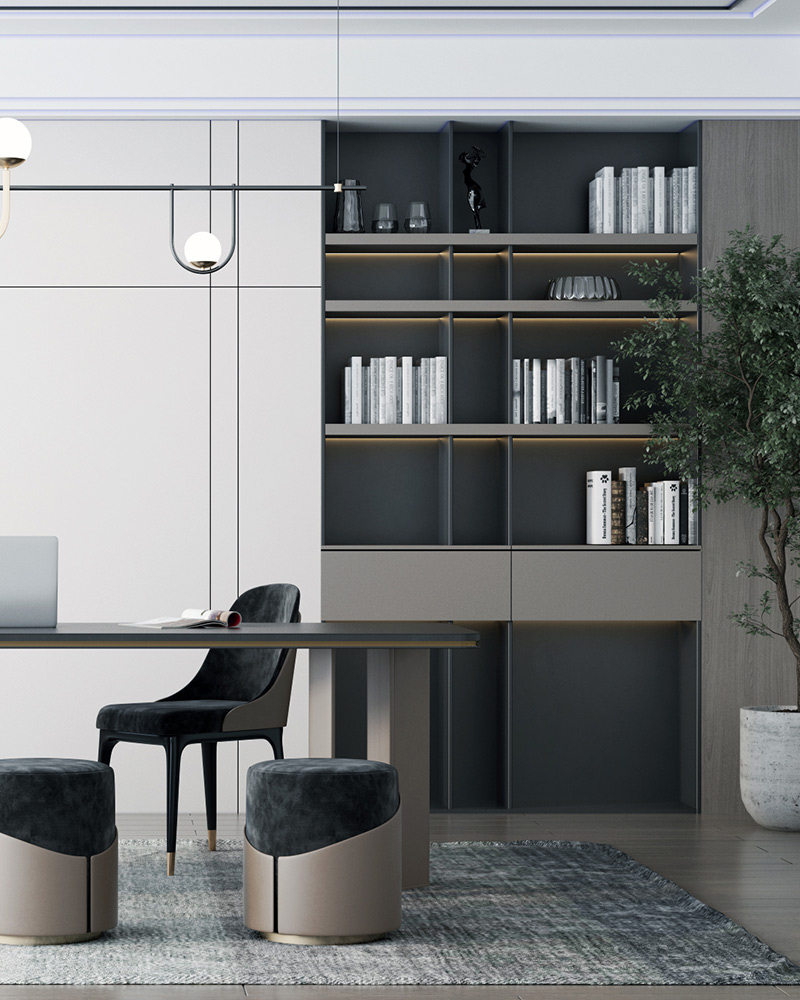
Start With The Function Before The Structure
Before building anything, it helps to decide what the bookcase is really for. Some built in bookcases are mainly for books, which means shelf depth and weight support matter most. Others are designed as display cabinets, where appearance, lighting, and visual spacing become just as important as storage.
This is where many projects go wrong. People begin with the shape of the wall and forget the actual use of the furniture. A better starting point is to ask how the bookcase will be used every day. A bookcase for heavy books should not be planned like a decorative unit for art pieces and small objects. Once the function is clear, the rest of the design becomes much easier to organize.
Measure The Wall Carefully
A built in bookcase should feel like it belongs to the wall, so accurate measuring is essential. Width, height, and depth all affect how the final unit looks and how practical it feels in use. The full wall should be checked, not just one point, because many rooms are not perfectly straight. A small variation in the wall can create visible alignment problems later if the measurements are not checked carefully.
Height deserves particular attention. A floor-to-ceiling bookcase creates a strong built-in effect and uses vertical space much better than a lower unit. At the same time, the depth should match the purpose. If the shelves are too shallow, larger books and display objects may not sit properly. If they are too deep, the unit can feel heavy and take too much visual space from the room.
Plan The Shelf Layout Early
Shelf spacing has a major effect on both appearance and usability. A bookcase filled only with equal shelf heights often looks flat and less flexible. A better layout usually combines standard book storage with a few taller openings for decorative objects, framed art, or larger volumes.
This balanced approach makes the unit more useful and more attractive. In a residential setting, it helps the bookcase feel less like pure storage and more like part of the room design. In a commercial or hospitality setting, it also allows the unit to display branded objects, books, collections, or curated decorative items more effectively.
Choose A Material That Matches The Space
Traditional built in bookcases are often associated with wood, but modern interiors now use a wider range of materials. The right choice depends on the style of the room, the required durability, and the kind of impression the project is meant to create. In spaces where a more modern and structured look is preferred, metal-based cabinet construction offers a different advantage. It creates cleaner lines, a more architectural feel, and a stronger visual presence in both home and commercial settings.
This is one reason decorative bookcase display cabinets have expanded beyond simple shelving. They are now expected to combine storage, display, surface durability, and design value in one unit. Material choice is part of that shift. A bookcase is no longer only judged by how many books it holds. It is also judged by how well it fits the surrounding interior.
Build The Frame With Stability In Mind
The frame is what gives the bookcase its built-in character. Even when the outside looks simple, the structure underneath has to remain stable over time. The side panels, base, top section, and shelf supports all need to work together so the unit does not feel weak under load. A built in bookcase is expected to remain in place for years, so structural stability should never be treated as a minor detail.
This matters even more when the unit is tall. A large bookcase draws the eye upward, which means any instability or uneven line becomes more noticeable. The stronger and cleaner the frame, the more reliable the finished result will feel in daily use.
Think About Open Display And Hidden Storage Together
One of the most useful ways to build a built in bookcase is to combine open shelves with concealed storage below or to the side. Open sections create display value and keep the space visually lighter. Closed storage areas help hide less attractive items and keep the room more organized.
This combination works especially well in modern interiors because it balances practicality with design. Books, sculptures, framed photographs, and decorative objects can stay visible, while paperwork, accessories, or less frequently used items can be stored out of sight. A bookcase that does both usually feels more complete and more valuable in everyday use.
Add Lighting If The Bookcase Is Part Of The Room Design
Lighting can completely change how a built in bookcase looks. Without lighting, the unit may function well but feel visually flat, especially in deeper shelves or darker interiors. With integrated lighting, books and displayed objects become easier to see and the entire wall gains more depth.
This is why display-focused bookcases often include internal lighting. It is not only for decoration. It helps define the shelving structure, highlights key objects, and makes the furniture feel more intentional within the room. In reading spaces, hotel lobbies, offices, and reception areas, lighting also adds atmosphere, which makes the bookcase feel more like part of the interior design rather than only a storage fixture.
Focus On Surface Finish And Visual Consistency
The final look of a built in bookcase depends heavily on the surface finish. Even a well-proportioned unit can feel less refined if the finish does not match the room style. A darker brushed finish, for example, creates a more modern and premium look, while a lighter finish can make the room feel softer and more open.
Consistency is important here. The shelves, frame, doors, and visible surfaces should feel visually connected. The bookcase may contain different functional areas, but it should still read as one complete design. This is what makes a built in unit look intentional instead of pieced together.
Why Display Cabinets Influence Modern Bookcase Design
In many current interiors, the line between a bookcase and a display cabinet is much less strict than before. People still want storage, but they also want the furniture to enhance the room. This is why large built in bookcases increasingly borrow ideas from display cabinets, including layered compartments, concealed storage, lighting, and a stronger focus on finish quality.
This approach creates a better long-term result. Instead of a unit that only stores books, the space gains a cabinet that can adapt to changing needs. It may begin with books and later hold decorative objects, trophies, artwork, files, or collections. That flexibility is one reason display-style bookcases are attractive in both home and project-based interiors.
Why Size And Proportion Matter More Than Decoration
It is easy to focus too much on decorative detail, but the real success of a built in bookcase usually comes from proportion. If the width, height, and depth feel right for the wall, the unit already looks more natural. If the shelf rhythm feels balanced, the cabinet appears more finished before any styling is added.
This is especially true for large bookcases. A tall unit with the right proportions can make a room feel more elegant and better organized without needing excessive decoration. In practical terms, that also means the best built in bookcase is usually the one designed around the room first, not around decoration alone.
Make The Bookcase Easy To Live With
A built in bookcase should not only look good on the installation day. It should also remain easy to use over time. That means surfaces should be easy to clean, shelf layouts should suit actual objects, and the unit should be stable under regular use. If the bookcase is too decorative to function well, people stop using it properly. If it is too plain and ignores the room style, it may feel unfinished even when it works.
Good design finds a middle point. The bookcase should support real storage and still feel like a feature of the interior. That balance is what gives built in furniture long-term value.
Conclusion
Building a built in bookcase is really about combining structure, storage, and room design into one complete solution. The best result comes from clear planning, careful sizing, balanced shelf layout, and a material choice that matches the space. When these parts work together, the bookcase feels less like added furniture and more like a natural part of the room.
If you are planning a built in bookcase or display cabinet project and want a solution that combines modern design, practical storage, and custom flexibility, feel free to contact us. We can help you review product ideas, dimensions, and finish options so you can find a bookcase direction that fits your project more naturally.
Previous: