
What Is The Best Gauge for A Stainless Steel Sink
When people compare Stainless Steel Sinks, gauge is one of the first specifications they notice. It sounds technical, but the idea is actually simple. Gauge refers to the thickness of the stainless steel sheet used to make the sink. In this system, a lower number means thicker steel. That is why 16-gauge is thicker than 18-gauge, and 18-gauge is thicker than 20-gauge.
The reason this matters is practical rather than abstract. Sink thickness affects how solid the sink feels, how well it handles daily impact, how much noise it makes during use, and how stable it remains over time. But thickness alone does not decide whether a sink is good. The best gauge depends on how the sink will be used, what kind of kitchen it is going into, and how the overall sink structure is designed.
Why Gauge Matters In Real Kitchen Use
A kitchen sink is not a decorative surface. It takes repeated contact with cookware, dishes, water flow, detergents, and food waste every day. If the steel is too thin, the sink may feel less stable under heavy use, especially when large pots or pans are placed inside. Thinner steel may also produce more sound when water hits the bowl or when utensils are dropped into it.
A thicker gauge generally gives the sink a stronger and quieter feel. It helps reduce flex during use and often creates a more solid impression overall. This is one reason buyers often pay attention to gauge when selecting sinks for homes, apartments, and renovation projects. The sink has to do more than look good on the first day. It has to keep performing after long-term daily use.
Understanding What Gauge Numbers Mean
Many buyers assume a higher number means better quality, because that is how sizing works in many other product categories. Stainless steel gauge works the opposite way. A smaller gauge number means thicker material. So when people ask what the best gauge is, they are really asking how much thickness they need for the balance of durability, cost, weight, and installation convenience.
That balance is important. A very thick sink may feel excellent in use, but it is not always necessary for every kitchen. A thinner sink may cost less and still perform well in lighter-use settings. The best choice is usually the one that matches the actual application rather than the one with the most impressive number alone.
What Most Buyers Mean By The Best Gauge
In most kitchen sink discussions, the best gauge usually means the most practical gauge for long-term daily use. Buyers are often looking for a sink that feels dependable, reduces excess noise, resists denting better, and supports a more premium overall experience. In that context, thicker gauges are often preferred because they create a stronger and more reassuring structure.
At the same time, the best gauge is not always the thickest possible option. A sink should be evaluated as a complete product. Bowl design, edge strength, finish, installation type, sound treatment, and manufacturing quality all matter along with material thickness. A well-made sink in a suitable gauge often performs better than a poorly executed sink that is only advertised as thick.
Why Sink Structure Matters Alongside Gauge
Gauge is only one part of the sink’s performance. A double bowl sink, for example, spreads daily tasks across two separate basins. One side may be used for washing while the other is used for rinsing, draining, or food prep. This changes how force and usage are distributed across the sink.
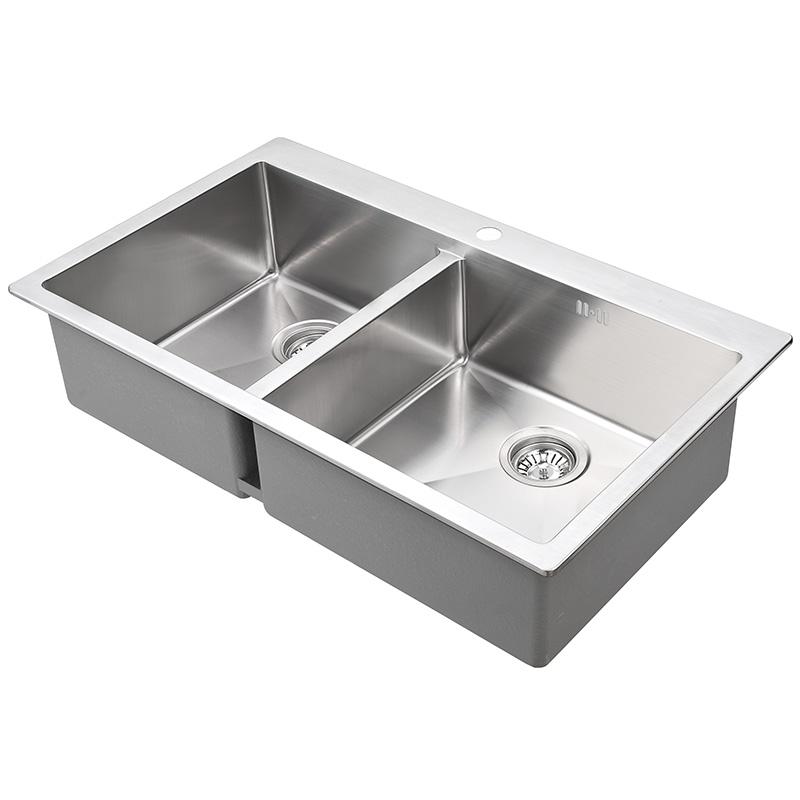
That is why structural design matters. A double bowl stainless steel sink with a practical bowl layout, stable top-mount installation, and appropriate depth can deliver a better user experience even before gauge is discussed in isolation. Thickness supports performance, but design determines how that performance is felt in real use.
How Gauge Affects Noise And Feel
One of the easiest differences to notice between sink gauges is sound. In a busy kitchen, water hitting the bowl and cookware contacting the base can create a lot of daily noise. A thicker sink often helps reduce the sharpness of that sound because the bowl body feels more rigid and less reactive.
This also changes the overall impression of quality. People often describe a thicker sink as feeling more solid, more stable, or more premium. That reaction is not only visual. It comes from the way the sink responds during use. When the bowl feels firm and controlled, the product experience improves even if the user does not know the exact gauge number.
How Gauge Relates To Dent Resistance
Dent resistance is another reason gauge matters. In kitchens where heavy cookware is used regularly, a thicker stainless steel sink generally provides more confidence. This does not mean thinner sinks fail immediately, but it does mean that thickness can play a role in how well the sink holds its shape under repeated impact.
For households that wash large pots, heavy pans, and dense kitchenware, this can become more important than expected. The sink is one of the most frequently used working areas in the kitchen, so small structural advantages are felt over time. A stronger gauge helps the product feel more dependable in those repeated everyday moments.
Why The Best Gauge Depends On The Project
There is no single answer that fits every buyer. In a compact rental kitchen or budget-driven residential project, a lighter gauge may still be acceptable if the usage is moderate and the rest of the sink design is well handled. In a family kitchen, renovation project, or premium residential space, buyers often want a stronger sink that feels quieter and more substantial.
This is why the best gauge should always be linked to the project type. Product selection becomes much more useful when gauge is treated as part of the application, not just as a number on a specification list. A sink that fits the actual working conditions will usually deliver better long-term value than one chosen only by price or thickness alone.
Why Double Bowl Sinks Need Balanced Specification
A double bowl stainless steel sink is often selected for workflow reasons. It allows users to separate washing and rinsing tasks, handle different types of kitchenware more efficiently, and keep the work area more organized. In that kind of sink, gauge becomes even more relevant because the product is expected to support repeated use across two active basins.
At the same time, balance is still important. The right gauge should work together with bowl depth, overall dimensions, installation style, and finish quality. A double bowl sink is not judged only by thickness. It is judged by whether the full design supports daily kitchen activity in a stable and practical way.
What Buyers Should Focus On Beyond Gauge
When choosing a stainless steel sink, gauge should be part of the conversation, but not the whole conversation. Buyers should also pay attention to installation type, bowl configuration, corner transition, finish, drainage performance, and how easy the sink is to clean. These details affect day-to-day satisfaction just as much as thickness does.
This is especially true in top-mount double bowl sinks, where installation convenience and visible edge structure are part of the user experience. A sink that is easy to install, comfortable to use, and simple to maintain often creates stronger long-term value than one chosen by gauge alone.
How To Think About Gauge In A Product-Oriented Way
From a product perspective, gauge is best understood as a quality-supporting feature rather than a marketing shortcut. It influences durability, sound, feel, and stability, but it only delivers full value when the sink itself is well designed. For distributors, project buyers, and private-label buyers, that makes gauge an important part of positioning. It helps define whether the sink fits entry-level demand, mid-range residential use, or a more premium market direction.
This is one reason stainless steel sink buyers often compare thickness together with design language and practical layout. The product has to make sense not only on paper, but also in real kitchens where users expect both function and durability.
Conclusion
So, what is the best gauge for a stainless steel sink? In practical terms, the best gauge is the one that gives the right balance of strength, noise control, dent resistance, and project suitability for the kitchen it is meant to serve. Thicker gauges are often preferred for a more solid and durable feel, but gauge should always be considered together with sink design, bowl layout, and overall product quality.
If you are choosing a double bowl stainless steel sink and want help comparing specifications, structure, and application fit, feel free to contact us. We can help you review product details, usage scenarios, and customization options so you can select a sink solution that matches your market more naturally.
Previous: How To Tile A Shower Niche