
How To Clean The Stainless Steel Sink
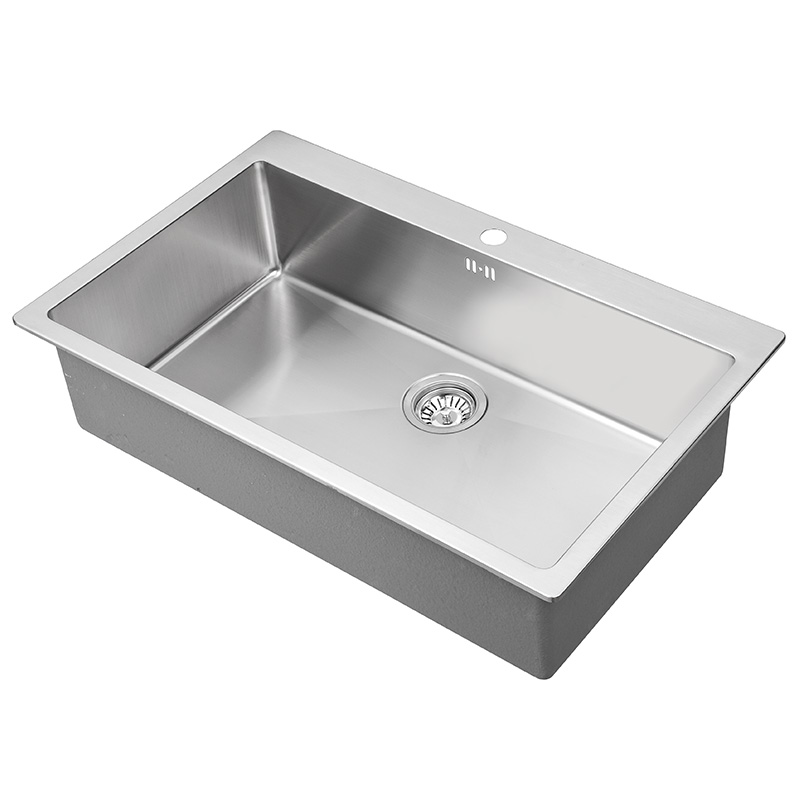
For most kitchens, the good news is that stainless steel does not need complicated care. It responds best to regular, gentle cleaning. When the right cleaning habits are built into daily use, the sink stays brighter, the surface remains smoother, and long-term maintenance becomes much easier. This is especially true for a top mount single bowl sink, where most washing, rinsing, and draining tasks are concentrated in one basin.
Why Stainless Steel Sinks Need Regular Care
A stainless steel sink works hard every day. It handles wet dishes, oily cookware, vegetable scraps, detergent, and repeated contact with tap water. Even when the bowl looks clean at first glance, a thin layer of residue may still remain on the surface. Over time, this layer can affect both appearance and feel.
What usually causes the problem is not one large stain. It is the repeated accumulation of small things. Water dries and leaves mineral marks. Cooking oil leaves a film. Soap mixes with residue and creates a dull look. Small food particles settle near the drain and corners. None of these look serious at first, but together they make the sink harder to clean if ignored too long.
Start With Daily Rinsing
The simplest way to keep a stainless steel sink clean is to rinse it properly after each use. This step is often underestimated, but it prevents many common cleaning problems before they start. After washing dishes or preparing food, rinse the sink bowl with clean water and let the water run along the sides so loose residue moves toward the drain instead of drying on the wall.
This habit matters because dried residue is always harder to remove than fresh residue. A proper rinse reduces the amount of grease, detergent, and food particles left behind. It also helps keep the sink looking cleaner throughout the day, even before a more complete cleaning is done.
Why Drying The Sink Makes A Big Difference
Many people clean the sink and leave it wet, then wonder why the surface still looks marked later. In most cases, the problem is not the material. It is the remaining water. Tap water often leaves a film or mineral trace after drying, especially around the drain, rim, and flat bottom area. This is why drying should be considered part of cleaning, not a separate extra step.
Using a soft cloth to dry the sink after rinsing can make a noticeable difference. It helps reduce water spots, keeps the finish more even, and makes the sink look cleaner for longer. Wiping in a consistent direction also helps the surface maintain a tidier appearance, especially on sinks with a satin or brushed finish.
Use Gentle Cleaners Instead Of Harsh Products
A stainless steel sink does not need strong chemicals for routine maintenance. In fact, harsh products are often the wrong choice. A neutral detergent with a soft sponge is usually enough for everyday grease and surface dirt. This method removes residue without putting unnecessary stress on the finish.
The reason gentle cleaning works better is simple. Stainless steel is durable, but the visible surface still benefits from careful handling. Strong acids, strong alkalis, or aggressive cleaners may remove stains quickly, but repeated use can affect the appearance of the sink over time. For daily care, a mild cleaner is usually the safer and more practical option.
Clean The Sink In The Right Order
A better cleaning result often comes from the right order rather than more effort. Start by removing loose food scraps and giving the whole sink a quick rinse. Then apply a mild cleaner and wipe the basin wall, bottom, corners, and top edge carefully. Leave the drain area for the final part because that is where residue usually collects the most.
After the sink has been wiped, rinse thoroughly with clean water so no cleaner remains on the surface. Then dry the bowl, rim, and nearby edges with a soft cloth. This process is simple, but when done consistently it keeps the sink in much better condition than occasional heavy scrubbing.
Pay Attention To Corners And Drain Areas
The areas people ignore most are often the areas that get dirty fastest. Around the drain, small particles and detergent film can stay behind more easily. In corners or along the inner wall transition, residue may collect if the area is not wiped regularly. This is one reason practical sink design matters. A sink with a smoother inner transition and smaller corner radius is easier to wipe in one motion and reduces the time spent scrubbing awkward angles.
Still, design alone is not enough. These areas need regular attention. Even a well-designed sink will start to look less clean if the drain edge, side corners, and top rim are consistently missed during cleaning.
How To Deal With Grease And Sticky Residue
Grease is one of the most common reasons a stainless steel sink starts feeling harder to clean. It does not always show as a visible stain right away. Sometimes the first sign is that the surface feels less smooth or seems to hold water differently. That usually means a thin oil film has formed on the bowl.
Warm water helps loosen this kind of residue, especially when combined with a neutral detergent. Once the surface is wiped fully, the sink should be rinsed well so the loosened grease does not remain around the drain or bottom. Grease is easier to remove early. When it stays too long, it starts trapping more dirt and makes the sink look dull faster.
Avoid Scratching The Surface
One of the biggest cleaning mistakes is using hard scrapers or steel wool. These tools may seem effective on stubborn stains, but they can leave fine marks on the surface. Once the finish has more scratches, residue may stick more easily and the sink can become harder to keep looking even.
If a stain does not come off immediately, it is better to soften it first rather than scrub harder. Let the cleaner work briefly, then wipe gently with a soft sponge or cloth. This approach is usually more effective in the long run because it protects the surface instead of damaging it during cleaning.
Why Top Mount Single Bowl Sinks Benefit From Consistent Cleaning
A top mount single bowl sink is often chosen because it makes daily kitchen work more continuous. Washing, rinsing, and draining all happen in the same basin, which keeps movement more concentrated and practical. That same advantage also means the sink handles many different tasks in one place, so residue builds up faster if cleaning is delayed.
In a kitchen sink with a larger single bowl and a 200mm depth, it is common to wash multiple items in one session. That is convenient for food prep and cleanup, but it also means more water, more detergent, and more food residue move through the same working area. Consistent cleaning becomes important not because the sink is difficult to maintain, but because the sink is used so efficiently and so often. A top mount design, satin finish, and compact inner corner transition all support easier maintenance when matched with regular care.
How Often Should You Deep Clean
Daily rinsing and drying handle most routine maintenance, but a deeper clean is still helpful at regular intervals. This does not need to be complicated. It simply means taking a little more time to clean the drain area, bowl edges, and any spots where grease or water marks tend to remain. In a busy household kitchen, that deeper clean may be needed more often than in a lightly used space.
The important point is not to wait for the sink to look heavily stained before doing anything. Stainless steel stays in better condition when care is regular and moderate. Small cleaning sessions usually work better than rare heavy cleaning sessions.
Why Cleaning Affects Long-Term Product Value
A sink is not only judged when it is first installed. It is judged by how it performs after months of daily use. This is why cleaning and product value are closely connected. A sink that is easy to wipe, easy to rinse, and easy to keep looking clean has stronger long-term appeal in real kitchens.
For project buyers, distributors, and kitchen suppliers, this matters a lot. Users may first notice size or installation style, but over time they pay more attention to how the sink feels in daily work. A stainless steel sink that supports easier maintenance is easier to live with, and that practical advantage often matters more than appearance alone.
Common Mistakes To Avoid
Many cleaning problems come from simple habits. Leaving food scraps around the drain for too long is one. Letting water dry naturally every day is another. Using cleaners that are too strong for routine maintenance is also common, especially when people try to solve a small stain with an aggressive product.
Another mistake is cleaning the bowl but ignoring the rim and surrounding edge. In a top mount sink, these areas are part of the visible working surface, so they should be wiped too. A sink may look partly clean from the inside, but still feel unfinished if the upper edge is left wet or marked.
Conclusion
Cleaning a stainless steel sink does not need to be difficult. In most kitchens, the best results come from simple habits done consistently: rinse the surface, use a neutral cleaner when needed, wipe the bowl carefully, and dry it with a soft cloth afterward. This approach helps reduce water spots, grease film, and stubborn residue while protecting the sink’s finish over time.
If you are looking for a Stainless Steel Kitchen Sink that is practical for daily use and easier to maintain in real kitchen settings, feel free to contact us. We can help you explore suitable sink styles, product details, and customization options so you can choose a solution that fits your market and project needs more naturally.