
How To Mount A TV Cabinet On The Wall?
Mounting a tv cabinet on the wall can make a living space look cleaner, more modern, and easier to organize. It also helps free up floor space, which is one of the main reasons wall-mounted TV cabinets have become popular in apartments, hotel rooms, lounge areas, and contemporary homes. But even though the finished result may look simple, the installation process needs to be handled carefully. A wall-mounted cabinet is not just a decorative piece. It has to support its own weight, hold stored items safely, and work well with the TV area as a whole.
Why Wall Mounting A TV Cabinet Matters
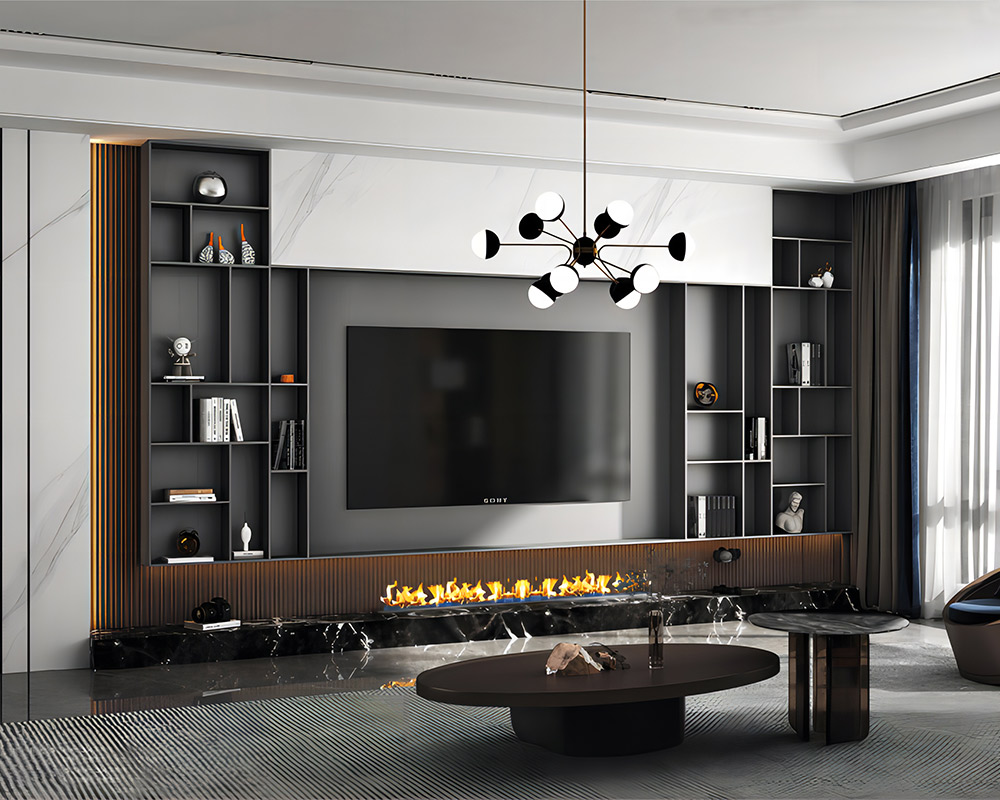
A wall-mounted TV cabinet changes both the appearance and function of the room. Visually, it makes the TV area look lighter and less crowded because the cabinet does not sit heavily on the floor. Practically, it makes cleaning easier and gives the space a more organized layout. This is especially useful when the cabinet includes storage for media devices, decorative items, or daily-use accessories.
Wall mounting also helps define the TV background area more clearly. Instead of treating the cabinet as a separate furniture piece, the wall-mounted design makes it feel integrated with the room. That is why many modern interiors prefer this solution. It supports a cleaner line, saves visible space, and creates a more built-in effect.
Check The Wall Before Anything Else
The first thing to understand is that not every wall should be treated the same way. Before mounting a TV cabinet, the wall must be checked carefully. Some walls provide strong structural support and can carry a cabinet more confidently. Others may require reinforcement before installation can begin.
This step matters because the wall carries the full load after installation. A cabinet with storage will not remain empty. Once installed, it may hold electronics, remote controls, books, decorative objects, or other items. That means the actual working load is usually greater than the product weight alone. A proper wall check helps determine whether the surface is suitable and what kind of fixing method should be used.
Measure The Space With Real Use In Mind
Good installation starts with accurate measuring. It is not enough to place the cabinet where it looks nice at first glance. The mounting position should match the room layout, TV viewing height, nearby furniture, and practical daily use. The cabinet should feel naturally placed within the wall composition rather than too high, too low, or too close to other elements.
When planning the position, it is important to leave enough clearance for the TV, cable routing, power access, and the opening or use of storage sections. The cabinet should not block sockets or create awkward access to media equipment. A well-measured installation feels comfortable in daily use, not just in a showroom photo.
Choose The Right Height For Comfort And Balance
Height is one of the most common installation mistakes. Some cabinets are mounted too low and make the wall look crowded. Others are mounted too high and reduce comfort when paired with the TV. The goal is to create a balanced relationship between the screen area, the storage area, and the visual center of the room.
A practical height depends on the cabinet size and the position of the television. In most cases, the cabinet should support the TV area rather than compete with it. The eye should move naturally across the setup. When the cabinet height is chosen well, the whole wall looks more intentional and more comfortable to live with.
Mark The Mounting Points Carefully
Once the position is confirmed, the next step is marking the mounting points. This should be done slowly and precisely. A level line is essential because even a small alignment error can become very obvious after the cabinet is fixed to the wall. A cabinet that looks slightly tilted can affect the entire appearance of the room.
It helps to mark the center line first and then work outward according to the cabinet structure. This keeps the installation symmetrical and easier to control. Before drilling, it is worth checking the marks again from a distance. What looks correct up close may appear unbalanced when viewed from the normal seating position.
Use Suitable Hardware For The Wall Type
The fixing hardware matters just as much as the cabinet itself. A strong cabinet mounted with unsuitable hardware can still fail over time. The correct anchors, screws, and brackets should match the wall condition and the cabinet load. This is one of the most important parts of the whole process.
The purpose of the hardware is not simply to hold the cabinet in place on the first day. It must keep the cabinet stable through repeated daily use. Opening storage sections, placing items inside, cleaning around the unit, and long-term weight pressure all affect performance. Good hardware selection supports both safety and durability.
Install The Cabinet Frame Securely
If the cabinet structure includes a frame, rail, or internal support part, that section should usually be installed first. This creates the main fixing base and helps the cabinet sit more securely against the wall. During this step, every connection point should be checked for firmness before the full cabinet weight is transferred onto it.
A secure fit is important not only for safety but also for the final appearance. Gaps between the cabinet and the wall can make the product look unfinished. A properly mounted cabinet should feel close to the wall, stable in position, and visually clean from different viewing angles.
Keep The Cabinet Level During Installation
Even a well-made cabinet can look poor if it is not mounted level. That is why alignment must be checked during installation, not only after it. If adjustments are needed, they should be made before the cabinet is fully tightened and loaded.
This part often decides whether the final result feels professional. A level cabinet supports a cleaner TV background, smoother door or shelf performance, and a more balanced room layout. In a wall-mounted system, straight lines matter a great deal because the eye catches them immediately.
Plan Cable Management Early
A TV cabinet on the wall should never be mounted without thinking about cables. Power cords, signal cables, media device connections, and lighting wires can quickly make the setup look messy if they are not considered in advance. The clean look of a wall-mounted cabinet depends heavily on how well these details are handled.
This does not mean the wall has to look completely empty, but the cable routes should be planned so they do not disrupt the appearance of the cabinet or the TV area. A neat cable arrangement supports the modern style people usually want from a floating TV cabinet. It also makes future maintenance easier.
Test The Cabinet Before Full Use
After mounting is completed, the cabinet should be tested before being fully loaded. This step is often ignored, but it is very useful. The cabinet should be checked for movement, level balance, and fixing stability. Doors, shelves, or compartments should also be reviewed to make sure everything works smoothly after installation.
This first test gives time to correct small issues before the cabinet starts daily use. Once electronics and stored items are added, adjustment becomes less convenient. A careful check at this stage helps protect both the wall and the cabinet itself.
Why Material And Structure Matter In Wall-Mounted Cabinets
When a cabinet is mounted on the wall, its structure becomes even more important than with floor-standing furniture. The material should be durable, easy to maintain, and suitable for long-term support. In modern interior applications, Stainless Steel Cabinets are often valued for their strength, clean appearance, and easier maintenance in daily use.
A well-structured storage cabinet can support the wall-mounted design more confidently. This is especially important in spaces that need both visual neatness and practical function. A cabinet that looks refined but also offers stable storage makes the TV wall more useful, not just more decorative.
When Professional Installation Is A Better Choice
Some wall-mounted TV cabinets are straightforward to install, but others are better handled by experienced installers. This is especially true when the cabinet is large, includes multiple storage sections, or is being mounted in a project setting where appearance and consistency matter. Professional installation can save time, reduce risk, and help achieve a cleaner finished result.
For commercial interiors, hotels, model rooms, and customized home projects, a more careful installation process is often worth it. The cabinet is part of the room image, so the final fit and wall integration should look precise.
Conclusion
Mounting a TV cabinet on the wall is not only about fixing furniture in place. It is about creating a secure, balanced, and practical storage solution that works naturally with the TV area. The best result comes from checking the wall carefully, measuring the layout properly, choosing the right hardware, and making sure the cabinet stays level and stable throughout installation.
A well-mounted wall tv cabinet can improve both storage and visual order in the room. If you are comparing cabinet styles, reviewing installation requirements, or looking for a durable wall-mounted storage solution for residential or project use, feel free to contact us. We can help you evaluate suitable options and provide practical guidance based on your space and application needs.
Previous: